HeadPowder, a leading provider in the field, offers comprehensive insights into the pneumatic conveying of lithium manganese oxide. This article provides a detailed overview of the technology, focusing on its structural design and operational principles. The pneumatic conveying system is a critical component in the processing of lithium manganese oxide, a key material used in lithium-ion batteries. Understanding the system's structure and how it functions is essential for optimizing material handling efficiency and maintaining product quality.
About HeadPowder Engineering Co., Ltd.
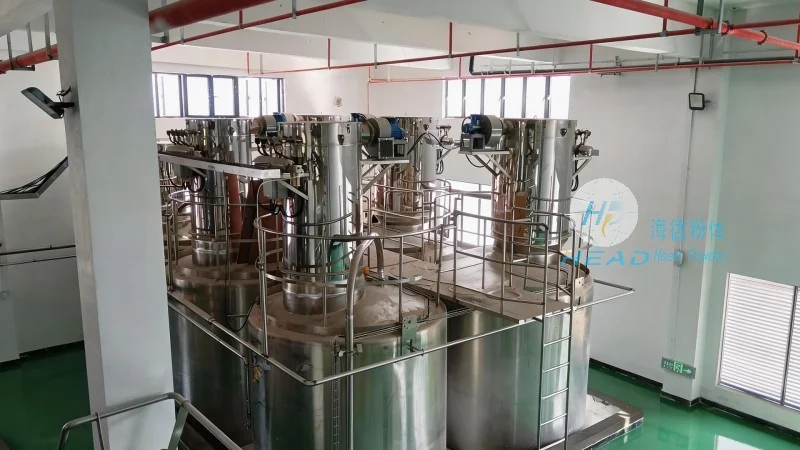
HeadPowder, the company behind this technology, is headquartered in Shandong, China. With a commitment to innovation and precision, HeadPowder specializes in engineering solutions for material handling, particularly in the battery materials sector. The company's expertise lies in developing efficient and reliable systems for transporting sensitive materials like lithium manganese oxide, ensuring minimal product degradation and optimal performance. HeadPowder's team of engineers and technicians work closely with clients to design customized solutions that meet specific operational requirements, from small-scale laboratory applications to large-scale industrial production lines.
Structural Components and Working Principle of Pneumatic Conveying Systems
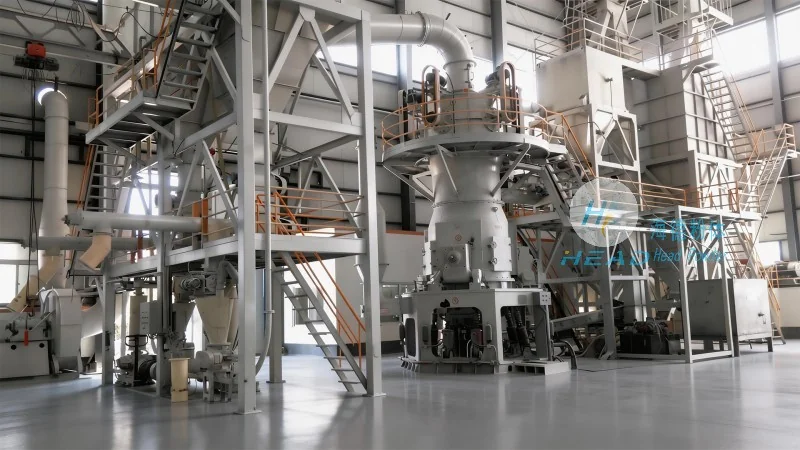
The pneumatic conveying system for lithium manganese oxide typically consists of several key components that work in tandem to achieve efficient material transport. The primary elements include a hopper for material storage, a feeder to control the flow rate, a conveying line (often equipped with air valves or cyclones), and a dust collection system. The system operates by introducing air or gas into the conveying line, creating a flow that lifts and transports the powder particles. The design of the hopper and feeder is crucial to prevent material bridging or caking, which can affect the conveying efficiency. The air velocity and pressure are carefully regulated to ensure the material is transported without excessive wear or degradation. The use of appropriate materials for the conveying line, such as stainless steel or specialized polymers, is essential to handle the chemical properties of lithium manganese oxide and prevent contamination. The dust collection system, typically a baghouse or cartridge filter, captures any fine particles that may escape during the conveying process, ensuring compliance with environmental regulations and maintaining a clean working environment.
Key Advantages of Lithium Manganese Oxide Pneumatic Conveying
Implementing a pneumatic conveying system for lithium manganese oxide offers several advantages. Firstly, it provides a closed-loop system that minimizes dust exposure and environmental contamination, which is critical for handling sensitive battery materials. Secondly, the system allows for precise control over the material flow rate, ensuring consistent quality in downstream processes like mixing or charging. Thirdly, the design reduces the risk of product degradation due to friction or exposure to air, preserving the material's chemical properties. Additionally, the system is compact and can be integrated into existing production lines, making it a flexible solution for various industrial applications. The efficiency of the system in terms of energy consumption and material throughput is also a significant benefit, contributing to overall operational cost savings. Furthermore, the system's ability to handle high volumes of material with minimal maintenance makes it a cost-effective choice for long-term use.
Operational Considerations and Maintenance
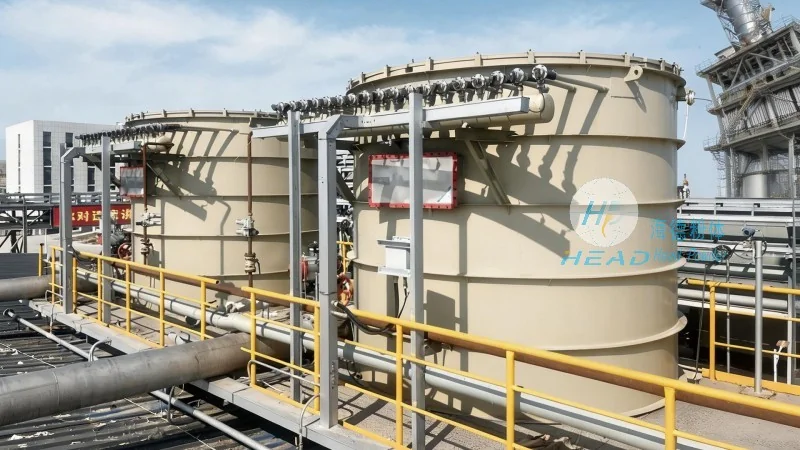
When operating a pneumatic conveying system for lithium manganese oxide, several factors must be considered to ensure optimal performance. Proper material preparation, such as drying and sieving, is essential to prevent clogging and ensure consistent particle size. The system's air filtration and pressure regulation are critical to maintain the quality of the conveyed material and prevent system failures. Regular maintenance, including cleaning of the hopper, feeder, and conveying line, is necessary to prevent buildup and ensure smooth operation. HeadPowder recommends periodic inspections of the system components, such as the air valves and cyclones, to identify and address any potential issues before they escalate. By following these operational guidelines, users can maximize the system's lifespan and maintain the integrity of the lithium manganese oxide material.
Conclusion
In summary, the pneumatic conveying system for lithium manganese oxide is a sophisticated and efficient technology that plays a vital role in the battery materials industry. HeadPowder Engineering Co., Ltd., based in Shandong, China, provides expert solutions for implementing and maintaining these systems. By understanding the structural components and operational principles, as well as the key advantages and maintenance considerations, users can optimize their material handling processes and achieve higher productivity and product quality. The closed-loop design and precise control offered by pneumatic conveying systems make them an ideal choice for handling sensitive materials like lithium manganese oxide, ensuring they are transported safely and effectively to meet the demands of modern battery production.




