PTA (Polyethylene Terephthalate Acid) is a critical raw material in the production of polyester fibers and resins. The efficient handling and transportation of PTA powder are essential for industrial processes, and pneumatic conveying systems have become a reliable solution. This article provides an overview of PTA pneumatic conveying systems, detailing their structural components and operational principles.
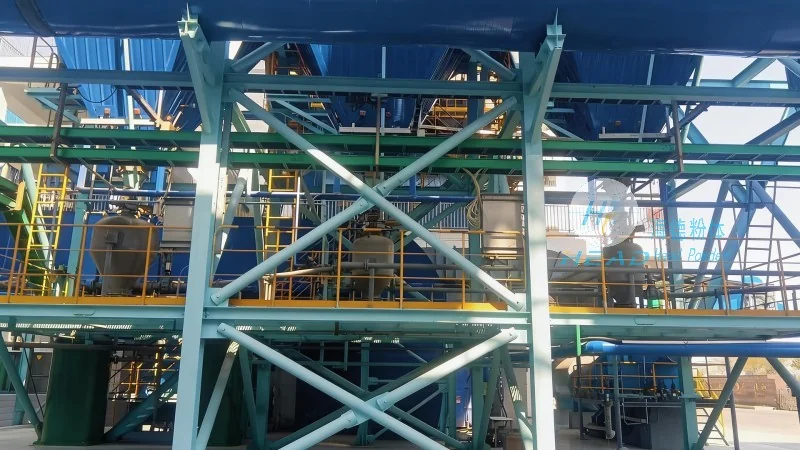
Company Profile: Shandong HeadPowder Engineering Co., Ltd.
HeadPowder, the brand under Shandong HeadPowder Engineering Co., Ltd., specializes in engineering solutions for material handling and processing. With a focus on innovation and quality, the company has established itself as a leading provider of pneumatic conveying systems tailored to the needs of the chemical and polymer industries. Headquartered in Shandong, China, HeadPowder leverages its expertise to deliver robust and efficient solutions for PTA and other bulk material transport applications.
Core Components of PTA Pneumatic Conveying Systems
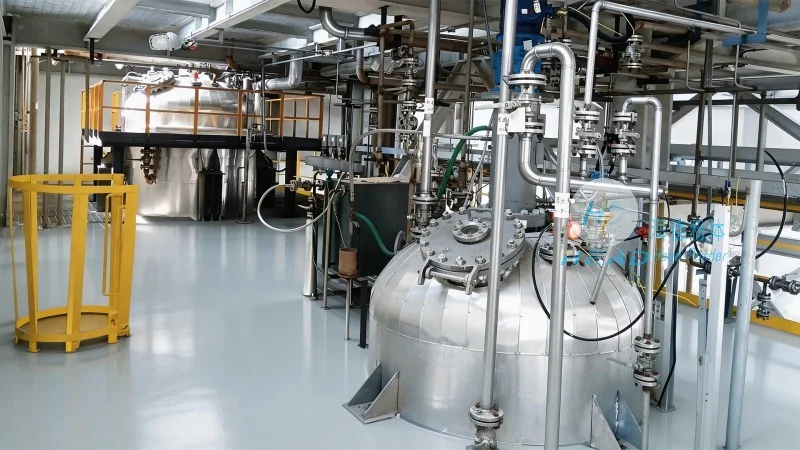
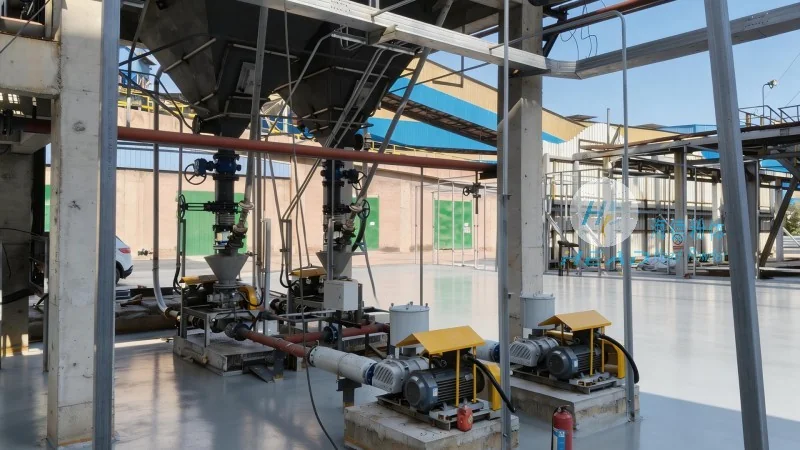
A PTA pneumatic conveying system typically consists of several key components that work in tandem to ensure safe and effective material transport. The primary elements include a material feed hopper, a conveying line (often equipped with bends and straight sections), a dust collector or filter system, and a control unit. The feed hopper is designed to store and meter the PTA powder, ensuring a consistent flow into the conveying line. The conveying line, usually made of stainless steel or other corrosion-resistant materials, transports the material through the system using air pressure. Bends and straight sections are strategically placed to guide the material along the desired path, minimizing friction and preventing blockages. The dust collector or filter system is critical for maintaining air quality and complying with environmental regulations, capturing any fine particles that may be released during the conveying process. The control unit manages the system's operation, regulating air pressure, flow rates, and other parameters to optimize performance and ensure safety.
Working Principles of PTA Pneumatic Conveying
The operation of a PTA pneumatic conveying system relies on the principles of air flow and pressure differentials. There are two main types of pneumatic conveying systems: pressure and vacuum. In a pressure system, compressed air is introduced into the conveying line at the discharge end, creating a positive pressure that pushes the PTA powder forward. The material is carried by the air stream, with the air acting as a carrier medium. The system typically starts with a hopper where the PTA is loaded, and the air is then introduced to initiate the conveying process. The pressure system is suitable for short to medium-distance transport and is effective for handling dry, free-flowing materials like PTA. In a vacuum system, the conveying line is maintained at a negative pressure, drawing the PTA powder from the feed hopper and pulling it through the system. This method is often used for longer distances or when the material needs to be transported from a lower elevation to a higher one. The vacuum system relies on the suction created by the air pump to move the material, ensuring a continuous flow as long as the air pressure is maintained.
Advantages of PTA Pneumatic Conveying Systems
Pneumatic conveying systems offer several advantages over traditional mechanical conveying methods for PTA handling. One of the key benefits is the ability to transport PTA in a closed system, which minimizes dust exposure and improves workplace safety. This is particularly important in the chemical and polymer industries, where dust can be hazardous and regulatory compliance is critical. The closed system also helps maintain product purity, preventing contamination from external sources. Another advantage is the flexibility of pneumatic conveying systems, which can be adapted to various process requirements. The system can handle different PTA particle sizes and flow rates, making it suitable for a wide range of applications. Additionally, pneumatic conveying systems are generally more energy-efficient compared to mechanical systems, as they require less maintenance and can operate with lower air pressure, reducing operational costs. The compact design of these systems also saves space in industrial facilities, allowing for efficient use of available floor area.
Applications and Industry Impact
PTA pneumatic conveying systems are widely used in the production of polyester fibers and resins, as well as in other chemical processing applications. In the textile industry, these systems are essential for transporting PTA from storage to processing units, ensuring a steady supply of raw material for manufacturing polyester yarns and fabrics. In the resin industry, the systems help move PTA to reactors and other processing equipment, facilitating the production of polyester resins used in packaging, automotive parts, and other products. The reliability and efficiency of PTA pneumatic conveying systems contribute to improved production throughput and reduced downtime in industrial operations. By providing a consistent and safe method of material transport, these systems enhance overall operational efficiency and support the growth of the chemical and polymer industries.
Conclusion
PTA pneumatic conveying systems represent a sophisticated and effective solution for the handling and transportation of PTA powder in industrial settings. With their robust design, efficient operation, and ability to maintain product quality and safety, these systems are indispensable in the production of polyester and other chemical products. Shandong HeadPowder Engineering Co., Ltd., through its HeadPowder brand, continues to innovate and provide high-quality pneumatic conveying solutions tailored to the evolving needs of the industry. By leveraging advanced engineering and material handling expertise, HeadPowder ensures that PTA pneumatic conveying systems meet the highest standards of performance and reliability, supporting the growth and success of its clients in the global market.




