Soil pneumatic conveying systems represent a sophisticated method for transporting bulk materials, particularly soil and similar granular substances, through a pressurized or vacuum environment. This technology is widely utilized in various industrial and construction applications where efficient material handling is critical. The system operates by using air as the medium to move materials from a source to a destination, eliminating the need for traditional mechanical conveyors like belts or buckets.
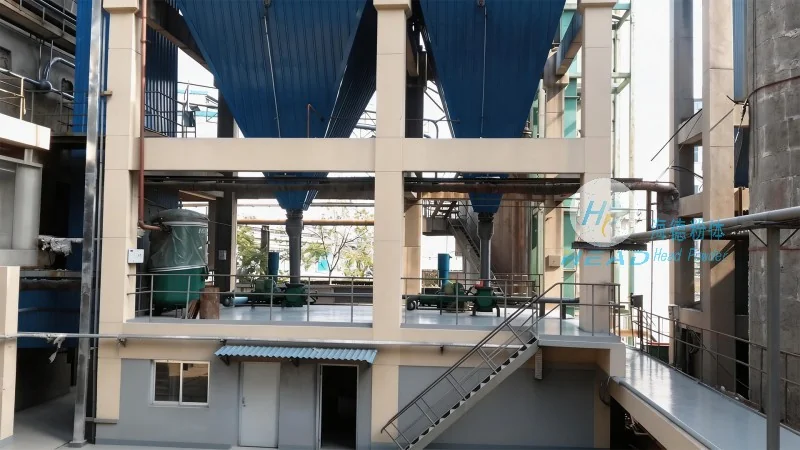
Core Components and Structural Design
The structural design of a soil pneumatic conveying system is composed of several key components that work in concert to ensure optimal performance. The primary elements include the material hopper, which serves as the initial storage and feeding point for the soil. This hopper is typically equipped with a feeder mechanism, such as a rotary valve or screw feeder, to control the flow rate of the material into the system. The feeder is crucial for maintaining a consistent and controlled input of soil, preventing blockages and ensuring smooth operation.
Next, the conveying line itself is a critical component. It is usually made of durable materials like stainless steel or high-grade plastic to withstand the abrasive nature of soil and the pressure differentials involved. The line may be straight or include bends and elbows, which are designed with smooth transitions to minimize resistance and maintain the air flow efficiency. The length and diameter of the conveying line are carefully selected based on the distance to be covered and the volume of material to be transported, ensuring that the system operates within its optimal performance range.
At the receiving end, the system includes a receiver or silo where the transported soil is deposited. This component is often equipped with a discharge valve or outlet to allow for controlled release of the material. Some systems may also include a dust collection or filtration system to manage any airborne particles, ensuring compliance with environmental regulations and maintaining a clean working environment.
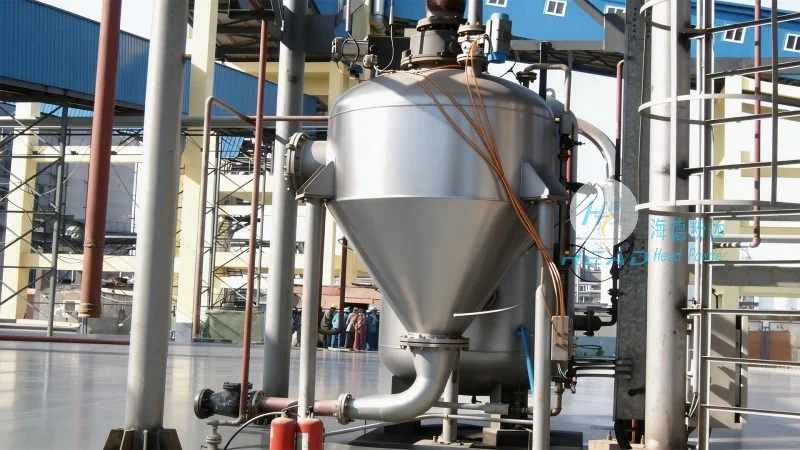
Working Principle and Operational Mechanics
The operational mechanics of a soil pneumatic conveying system are based on the principles of fluid dynamics and air pressure. In a typical operation, the system can function in either a positive pressure or negative pressure mode. Positive pressure systems use a blower or compressor to generate air pressure that pushes the soil through the conveying line. The air and soil mixture is then discharged at the receiving end, where the air is separated from the material, often through a cyclone separator or a filter. Negative pressure systems, on the other hand, use a vacuum pump to create a vacuum that draws the soil into the line, pulling it from the source to the destination.
The process begins with the soil being fed into the material hopper. The feeder then meters the soil into the conveying line, where it is mixed with the air. The air pressure or vacuum force propels the mixture through the line to the receiver. At the receiving end, the air is separated from the soil, and the soil is collected in the receiver. The air, now containing any fine particles, may be filtered and either vented or recycled back into the system to improve efficiency.
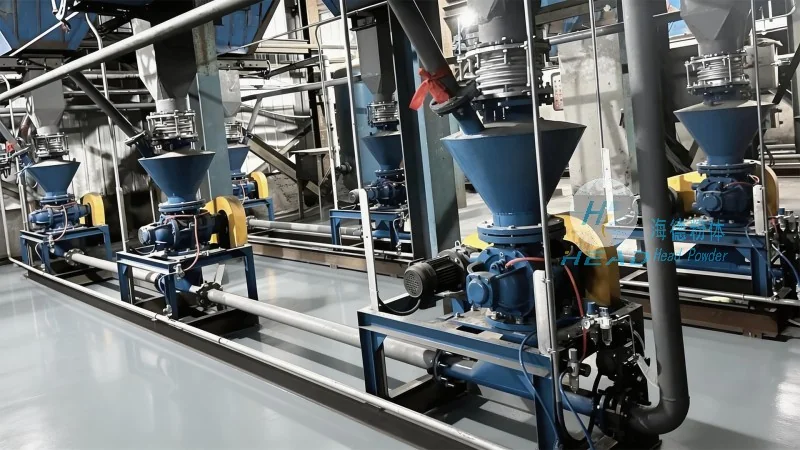
The efficiency of the system depends on several factors, including the air velocity, the material's density and particle size, and the system's pressure differentials. Proper design and maintenance are essential to ensure that the system operates at peak efficiency, minimizing energy consumption and maximizing material throughput. Regular checks of the feeder, conveying line, and receiver are necessary to prevent blockages and ensure consistent performance.
Applications and Industry Use Cases
Soil pneumatic conveying systems are widely applied in various industries where soil and similar granular materials need to be transported efficiently. In the construction industry, these systems are used for transporting soil from excavation sites to disposal or processing facilities. They are also utilized in the mining sector for moving overburden or tailings. The agricultural sector may use such systems for transporting soil samples or for moving soil from one field to another for soil conditioning or fertilization.
In the environmental and remediation industry, soil pneumatic conveying is employed for the transport of contaminated soil to treatment facilities or for the removal of soil from contaminated sites. The ability to handle large volumes of soil while maintaining a clean and controlled environment makes this technology particularly valuable in these applications. Additionally, in the manufacturing industry, soil pneumatic conveying systems may be used for transporting raw materials or for handling waste materials that are in a granular form.




