Organic salts are widely used in various industrial applications, and the efficient transportation of these materials is crucial for maintaining production efficiency and safety. The methods used for organic salt transportation vary based on the type of salt, its physical properties, and the specific requirements of the industrial process. This article will explore the common methods employed for organic salt transportation, highlighting the key considerations and technologies involved. HeadPowder, a leading provider of engineering solutions for the chemical and fertilizer industries, specializes in the design and implementation of organic salt transportation systems.
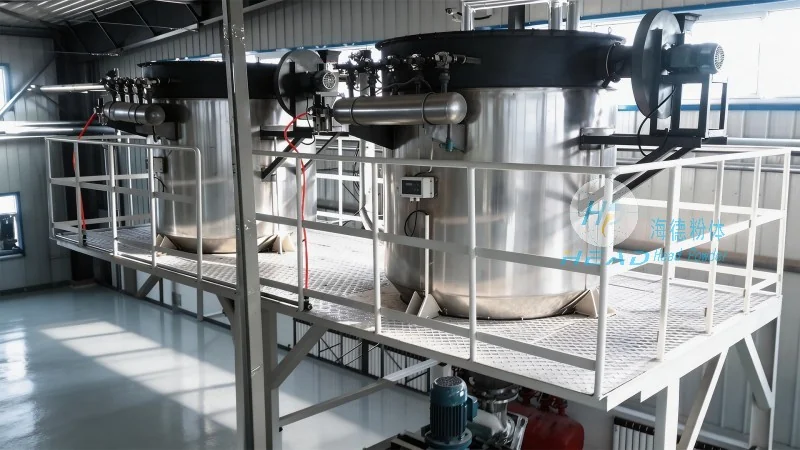
Overview of Organic Salt Transportation
Organic salts, such as ammonium nitrate, potassium nitrate, and other nitrogen-based or potassium-based salts, are often used in agriculture, chemical manufacturing, and other industrial sectors. The transportation of these materials requires specialized equipment and systems to ensure safe handling and minimize the risk of spills or contamination. The choice of transportation method depends on factors like the volume of material to be moved, the distance, the environmental conditions, and the specific handling requirements of the organic salt. HeadPowder, with its expertise in industrial engineering, understands the importance of selecting the right transportation method to meet these diverse needs.
Key Methods for Organic Salt Transportation
There are several primary methods for transporting organic salts, each with its own advantages and applications. The most common approaches include bulk handling through pipelines, pumping systems, and bulk transport vehicles, as well as packaged transportation for smaller quantities or specialized applications. These methods are designed to address the unique challenges of organic salt transportation, ensuring that the material is moved safely and efficiently from the production site to the end-user.
Pipeline Transportation
Pipeline transportation is a widely used method for moving large volumes of organic salts over long distances. This method involves transporting the salt as a slurry or solution through a network of pipes. The system typically includes a storage tank, a pump, and a pipeline network that connects the storage facility to the end-user. The use of pipelines minimizes the risk of spills and provides a continuous flow of material, which is essential for maintaining production schedules. For example, in the fertilizer industry, pipelines are commonly used to transport ammonium nitrate from production plants to distribution centers. HeadPowder has extensive experience in designing and installing pipeline systems for organic salts, ensuring that the pipelines are constructed to withstand the corrosive and abrasive nature of these materials.
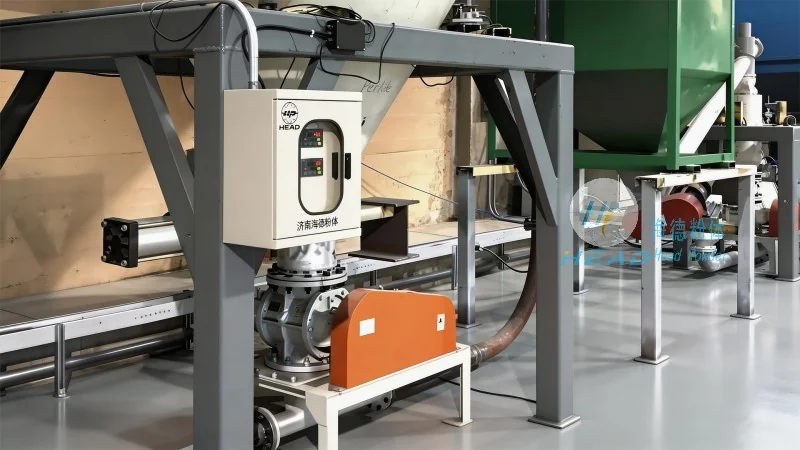
Pumping Systems
Pumping systems are another critical method for organic salt transportation, especially when the material needs to be moved vertically or over significant distances. These systems use pumps to transfer the salt from one location to another, often in conjunction with pipelines. The choice of pump type depends on the physical properties of the organic salt, such as its viscosity and density. Centrifugal pumps are commonly used for low to medium viscosity salts, while positive displacement pumps may be required for more viscous or abrasive materials. The pumping system is typically integrated with a control panel that monitors flow rates, pressure, and other parameters to ensure safe and efficient operation. HeadPowder provides customized pumping solutions tailored to the specific requirements of each organic salt, ensuring that the pumps are durable and reliable in handling the material.
Bulk Transport Vehicles
Bulk transport vehicles, such as tank trucks or railcars, are used for transporting organic salts when the distance is shorter or when the material needs to be delivered to a specific location. These vehicles are equipped with specialized tanks or containers designed to handle the organic salt safely. The transportation process involves loading the salt into the vehicle at the production facility and then delivering it to the customer or storage site. The use of bulk transport vehicles allows for flexibility in delivery and is suitable for smaller volumes or when pipelines are not available. For example, in the agricultural sector, tank trucks are often used to transport potassium nitrate to farms for use as a fertilizer. HeadPowder offers services related to the design and maintenance of bulk transport vehicles, ensuring that they meet the safety and performance standards required for organic salt transportation.
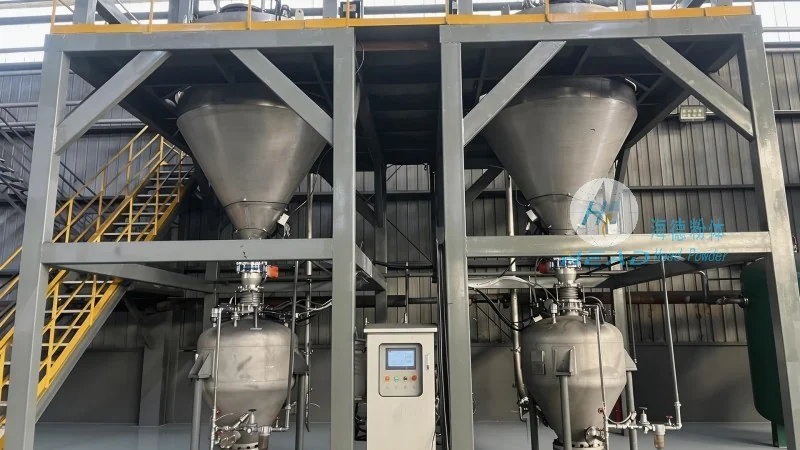
Packaged Transportation
Packaged transportation is used for smaller quantities of organic salts or for materials that require more careful handling. This method involves packaging the salt in containers such as bags, drums, or containers. The packaging is designed to protect the material from moisture, contamination, and other environmental factors. The use of packaged transportation is common for specialty organic salts or when the material needs to be transported to a specific application, such as in laboratory settings or for small-scale industrial use. HeadPowder also provides packaged transportation solutions, including the selection of appropriate containers and packaging materials to ensure the safe handling of organic salts.
Considerations for Safe Organic Salt Transportation
When transporting organic salts, several safety considerations must be taken into account to prevent accidents and ensure compliance with regulations. First, the material must be stored and handled in accordance with safety guidelines to minimize the risk of fires or explosions. Organic salts can be reactive with certain materials, so proper storage containers and handling procedures are essential. Second, the transportation equipment must be regularly inspected and maintained to ensure it is in good working condition. This includes checking for leaks, corrosion, and other issues that could compromise the safety of the transport process. Third, the transportation route must be carefully planned to avoid areas with high population density or sensitive environments. The use of proper signage and communication with local authorities is also important to ensure that any potential hazards are addressed. HeadPowder adheres to all safety regulations and provides comprehensive safety training for its personnel involved in organic salt transportation.
Conclusion
Organic salt transportation is a critical aspect of many industrial processes, and the choice of transportation method depends on various factors. Pipeline transportation, pumping systems, bulk transport vehicles, and packaged transportation are all common methods used to move organic salts safely and efficiently. The key to successful organic salt transportation is to select the appropriate method based on the specific requirements of the material and the application, and to follow all safety guidelines and regulations. By doing so, companies can ensure the safe and efficient delivery of organic salts, which is essential for maintaining production efficiency and meeting customer needs. Shandong HeadPowder Engineering Co., Ltd., with its headquarters in Shandong, China, offers comprehensive solutions for organic salt transportation, including the design of pipelines, pumping systems, and bulk transport vehicles, as well as the provision of packaged transportation options for smaller quantities. With its expertise and commitment to safety, HeadPowder helps industries effectively manage the transportation of organic salts, ensuring reliable and secure delivery of these essential materials.




