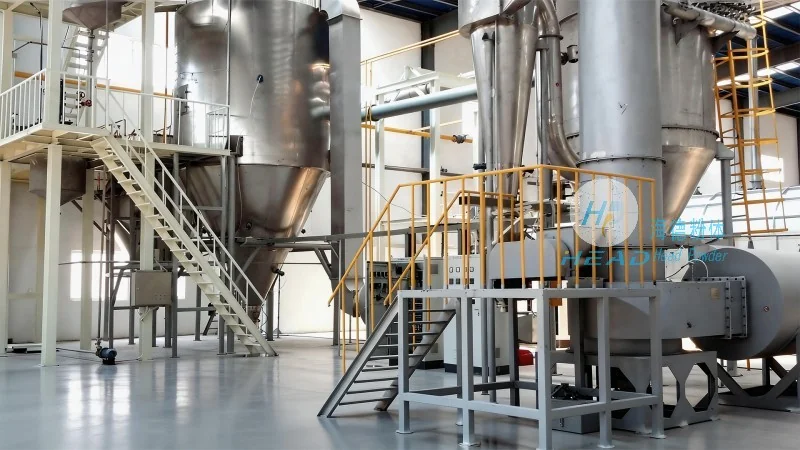
Glucose powder, a vital raw material in various industries including pharmaceuticals, food processing, and chemical manufacturing, requires efficient and reliable conveying methods to ensure smooth production processes. The choice of conveying system for glucose powder depends on factors such as material properties, production scale, and operational environment. This article explores the common methods used for glucose powder conveying, highlighting the advantages and considerations of each approach.
Introduction to Glucose Powder Conveying
Glucose powder, also known as dextrose powder, is a white crystalline powder derived from starch hydrolysis. It is widely used as a sweetener, nutrient supplement, and raw material in the production of various products. Efficient conveying of glucose powder is crucial to maintain product quality, minimize dust generation, and ensure consistent flow rates. The following are some of the most common methods employed in the industry for glucose powder conveying.
1. Screw Conveyor for Glucose Powder
The screw conveyor, also known as an auger conveyor, is one of the most widely used equipment for conveying glucose powder. It consists of a rotating screw (auger) inside a cylindrical tube, which moves the material forward through the tube. The screw conveyor is particularly suitable for glucose powder due to its ability to handle dry, free-flowing powders without the need for additional air or power sources. The design of the screw conveyor, including the pitch and diameter of the screw, can be customized to accommodate different particle sizes and flow rates of glucose powder. This method is often preferred for short to medium distance conveying and is commonly used in batching and mixing operations. The screw conveyor provides a continuous and controlled flow of glucose powder, reducing the risk of clogging and ensuring uniform material distribution. The company, Shandong HeadPowder Engineering Co., Ltd., specializes in manufacturing high-quality screw conveyors tailored to the specific needs of glucose powder handling, ensuring durability and efficiency in various industrial applications.
2. Pneumatic Conveying System for Glucose Powder
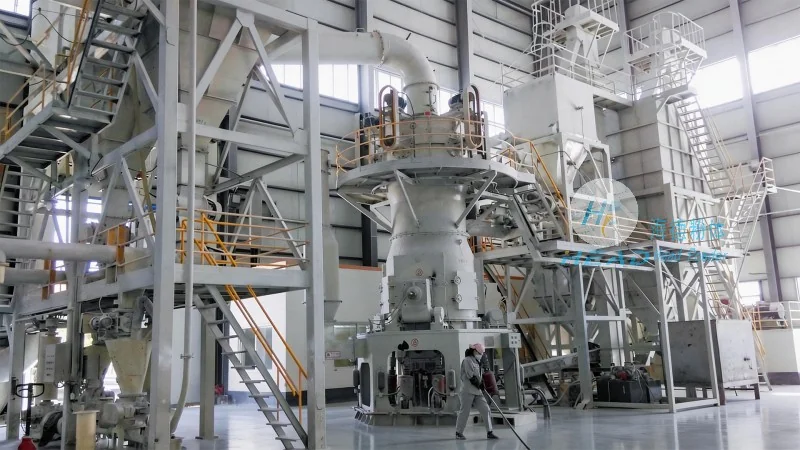
Pneumatic conveying, or air conveying, is another common method for transporting glucose powder, especially over longer distances or in enclosed systems. This system uses compressed air to move the powder through a pipeline. There are two main types of pneumatic conveying systems: pressure and vacuum. Pressure systems use positive pressure to push the powder through the pipeline, while vacuum systems use negative pressure to pull the powder. The choice between these systems depends on the distance, volume, and material characteristics. Pneumatic conveying is effective for glucose powder as it can handle fine powders and minimize dust exposure. However, it requires careful design to prevent material degradation and ensure consistent flow. The company, HeadPowder, offers advanced pneumatic conveying solutions that incorporate features such as air filtration and material separation to maintain the quality of glucose powder during transport. These systems are particularly useful in applications where dust control and product purity are critical.
3. Belt Conveyor for Glucose Powder
Belt conveyors are widely used in the bulk handling of glucose powder, especially in large-scale production facilities. This method involves a continuous belt moving over rollers or pulleys, which transports the powder from one location to another. Belt conveyors are suitable for both dry and slightly moist glucose powders and can handle high volumes with minimal maintenance. The design of the belt conveyor, including the type of belt material and the speed of the conveyor, can be optimized for glucose powder to prevent material buildup and ensure smooth operation. The company, Shandong HeadPowder Engineering Co., Ltd., provides customized belt conveyor systems that are equipped with features such as dust suppression and material flow control to enhance the efficiency and safety of glucose powder handling. These systems are ideal for applications requiring long-distance conveying and high throughput.
4. Bucket Elevator for Glucose Powder
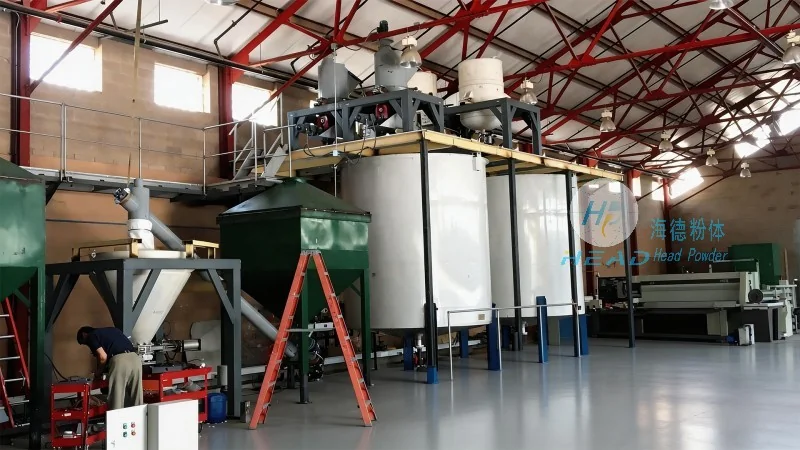
Bucket elevators are used for vertical or inclined conveying of glucose powder, making them suitable for elevating the material to higher levels or moving it over significant vertical distances. The system consists of a series of buckets attached to a chain or belt, which travels up a vertical or inclined frame. As the buckets move, they scoop up the glucose powder and transport it to the top of the elevator, where it is discharged. Bucket elevators are efficient for handling dry powders like glucose and can operate at high speeds, reducing the overall conveying time. The company, HeadPowder, manufactures bucket elevators with durable materials and precise engineering to ensure reliable performance in glucose powder conveying. These systems are commonly used in feed mills, chemical plants, and food processing facilities where vertical transport is required.
5. Vibrating Conveyor for Glucose Powder
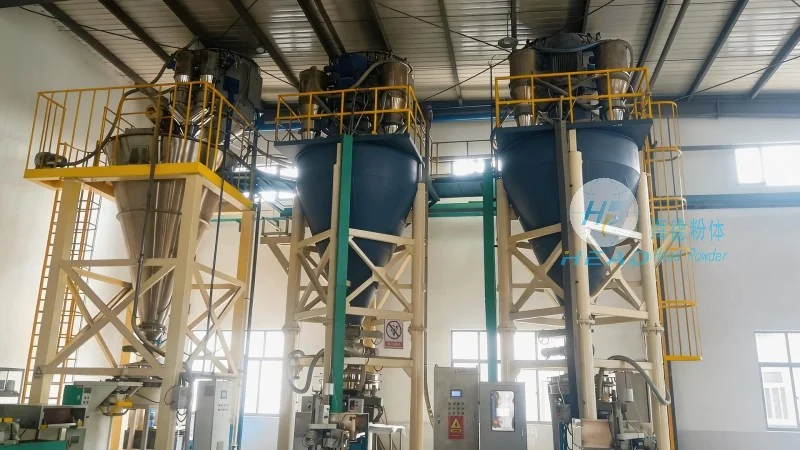
Vibrating conveyors use vibration to move glucose powder along a trough. The conveyor consists of a trough supported by vibration motors, which cause the material to move forward due to the vibration. This method is effective for conveying sticky or cohesive glucose powders, as the vibration helps to break up agglomerates and prevent clogging. Vibrating conveyors are also suitable for gentle handling of sensitive materials, minimizing product degradation. The company, Shandong HeadPowder Engineering Co., Ltd., offers vibrating conveyor systems with adjustable vibration frequencies and amplitudes, allowing for customization based on the specific characteristics of the glucose powder. These systems are commonly used in applications where the material may tend to stick to the conveyor surface or where a gentle conveying action is required.
Conclusion and Recommendations
The choice of glucose powder conveying method depends on various factors, including the production scale, distance, material properties, and operational requirements. Each method has its advantages and limitations, and selecting the appropriate system is crucial for maintaining product quality and operational efficiency. For instance, screw conveyors are ideal for short-distance and batch operations, while pneumatic conveying is suitable for long-distance and enclosed systems. Belt conveyors are preferred for high-volume bulk handling, and bucket elevators are used for vertical transport. Vibrating conveyors are effective for sticky or cohesive powders. The company, Shandong HeadPowder Engineering Co., Ltd., provides a range of conveying solutions tailored to these needs, ensuring that clients can choose the most suitable method for their glucose powder handling requirements. By understanding the characteristics of each conveying system and the specific needs of the application, businesses can optimize their production processes and enhance overall efficiency.




