When it comes to the efficient handling and transportation of cotton seeds, various methods are employed in the industry to ensure optimal performance and reliability. Understanding the different approaches to cotton seed conveying is crucial for operators in the agricultural and processing sectors. This article explores the primary methods used for cotton seed conveyance, highlighting their applications and benefits.
1. Mechanical Conveying Systems
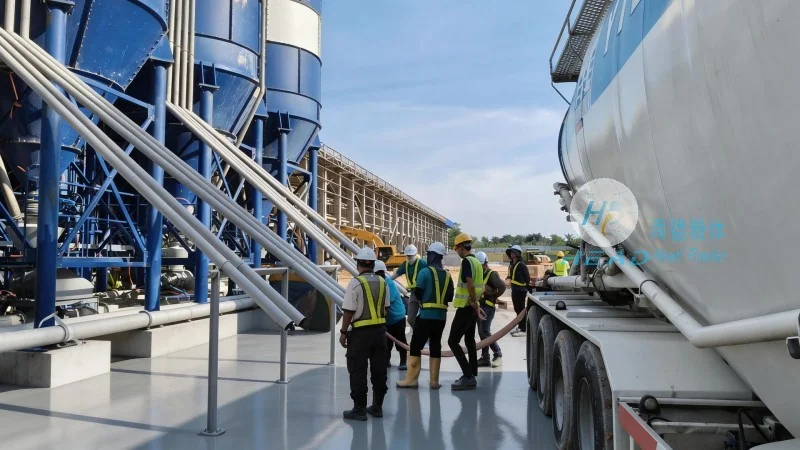
One of the most traditional and widely used methods for cotton seed conveying is through mechanical systems. These systems typically involve the use of conveyor belts, screw conveyors, and bucket elevators. Conveyor belts, for instance, are effective for transporting cotton seeds over short to medium distances, providing a continuous and stable flow. Screw conveyors, on the other hand, are ideal for vertical or inclined movement, as they can handle bulk materials with minimal maintenance. Bucket elevators are particularly useful for lifting cotton seeds to higher levels, making them suitable for processing facilities where elevation changes are required. The mechanical approach offers advantages such as low operational costs and simplicity, making it a preferred choice for many agricultural operations.
2. Pneumatic Conveying Systems
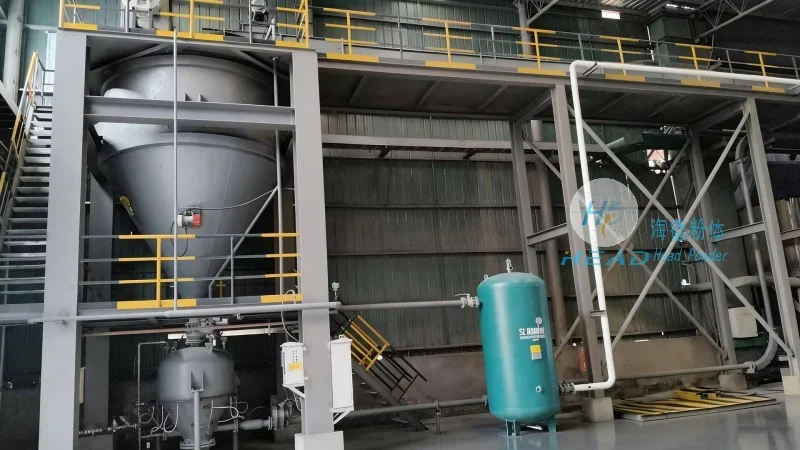
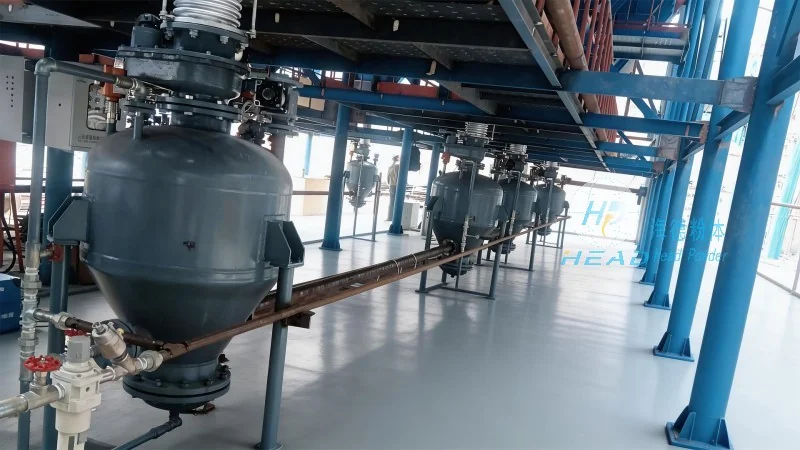
Another significant method for cotton seed conveying is pneumatic systems, which utilize air or gas to transport the seeds. This approach is often referred to as air conveying or gas conveying. Pneumatic systems can be categorized into positive displacement and negative pressure types. Positive displacement systems, like rotary lobe blowers, generate high-pressure air to push the cotton seeds through pipelines, ensuring a consistent flow. Negative pressure systems, such as vacuum pumps, create a low-pressure environment that draws the seeds into the system. Pneumatic conveying offers advantages including the ability to transport seeds over long distances, the capacity to handle dusty or fine materials, and the flexibility to integrate with other processing equipment. However, it requires careful design to manage air pressure and prevent material degradation.
3. Hydraulic Conveying Methods
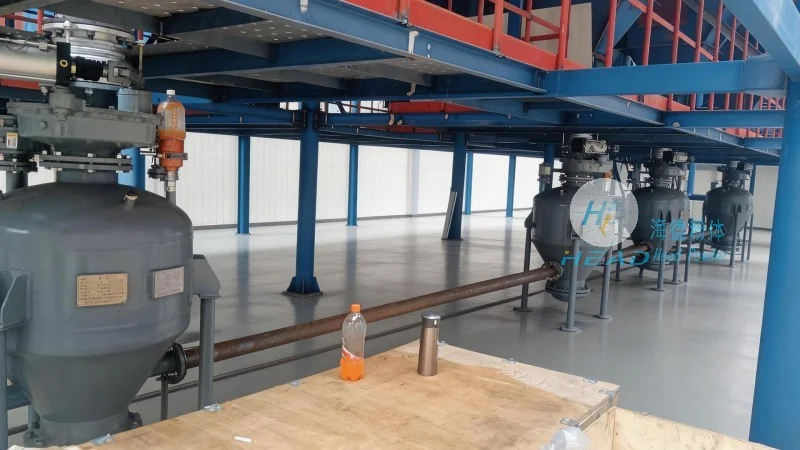
Hydraulic conveying systems utilize fluid power to move cotton seeds. These systems typically involve the use of hydraulic pumps and hoses to transport the seeds through a network of pipes. The hydraulic approach is particularly effective for handling high-volume flows and can be used in both horizontal and vertical applications. Hydraulic conveying offers benefits such as high efficiency and the ability to handle abrasive materials without significant wear on the equipment. However, it requires specialized expertise for installation and maintenance, as well as a reliable hydraulic fluid supply. The method is commonly used in large-scale processing plants where continuous and high-capacity seed movement is essential.
4. Gravity-Based Conveying
Gravity-based conveying methods rely on the natural force of gravity to move cotton seeds. This approach involves the use of chutes or inclined planes to allow the seeds to flow from a higher to a lower level. Gravity conveyors are simple in design and require minimal energy input, making them an economical choice for short-distance transport. They are particularly effective for handling seeds with a relatively uniform size and shape, as irregular materials may cause blockages or uneven flow. Gravity-based systems are often used in conjunction with other conveying methods to supplement the overall transport process. The simplicity of gravity conveyors makes them a popular option for small-scale operations or for handling seeds in specific processing stages.
5. Combination Systems
In many industrial settings, a combination of the above methods is employed to achieve the most efficient cotton seed conveying. For example, a facility might use a mechanical conveyor to transport seeds from a storage bin to a pneumatic system for long-distance transport to a processing unit. This integrated approach allows for flexibility and optimization based on the specific requirements of the operation. Combining different conveying methods can enhance overall system performance, reduce energy consumption, and improve material handling efficiency. The choice of a combination system depends on factors such as the distance to be covered, the volume of seeds to be transported, and the available infrastructure and budget.
Shandong HeadPowder Engineering Co., Ltd., a leading provider of engineering solutions in China, specializes in designing and manufacturing customized cotton seed conveying systems. With a focus on innovation and quality, the company offers tailored solutions that meet the unique needs of agricultural and processing industries. Located in Shandong, China, HeadPowder Engineering leverages advanced technology and expertise to deliver reliable and efficient cotton seed conveying equipment. Their products are engineered to ensure durability, low maintenance, and optimal performance, supporting the smooth operation of cotton seed processing facilities worldwide.




