Iron powder pneumatic conveying equipment is a specialized system designed to transport iron powder and other fine powders through a pipeline using compressed air or other gas as the conveying medium. This technology is widely used in industrial applications where the efficient and safe handling of powders is critical. The equipment is engineered to ensure minimal product degradation, maintain consistent flow rates, and provide a clean, dust-free transfer process. As a key component in material handling, this system combines mechanical and pneumatic components to achieve reliable and efficient powder transport. Developed by Shandong HeadPowder Engineering Co., Ltd., a leading manufacturer based in China, this equipment is tailored to meet the specific needs of industries such as metallurgy, chemical manufacturing, and pharmaceuticals.
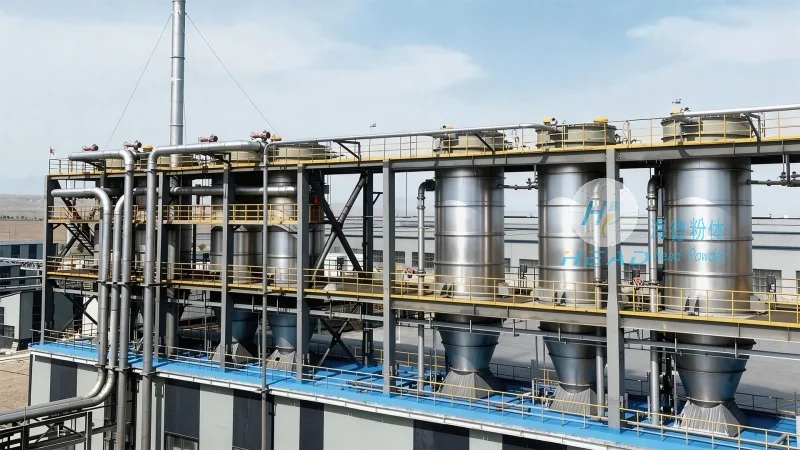
Introduction to Iron Powder Pneumatic Conveying Equipment
Iron powder, a crucial raw material in various industries such as metallurgy, chemical manufacturing, and pharmaceuticals, requires specialized handling due to its fine particle size and potential for dust explosion risks. Traditional methods like bucket elevators or belt conveyors may not be suitable for iron powder due to issues like caking, segregation, and high dust generation. Pneumatic conveying offers a solution by using air to move the powder through a sealed system, reducing the risk of contamination and improving process safety. The equipment is typically composed of a hopper for material storage, a blower or compressor to generate the conveying air, a pipeline network, and a receiver for the discharged material. This integrated system ensures a continuous and controlled flow of iron powder from the source to the destination.
Design Principles of Iron Powder Pneumatic Conveying Systems
The design of iron powder pneumatic conveying equipment is based on several fundamental principles to optimize performance and reliability. First, the system must consider the physical properties of iron powder, including particle size distribution, density, and flowability. These characteristics influence the selection of conveying velocity, pipeline diameter, and the type of air flow (e.g., dilute-phase or dense-phase). Dilute-phase conveying uses higher air velocities to suspend particles in the air stream, suitable for long-distance or high-volume transport. Dense-phase conveying, on the other hand, uses lower velocities and higher air pressure to push particles along the pipeline, reducing the risk of blockages and ensuring a more stable flow. The design also incorporates features like in-line mixers or agitators to prevent powder settling or caking in the hopper and pipeline, maintaining consistent material flow. Additionally, the system includes filtration and dust collection components to ensure compliance with environmental regulations and to protect the conveying equipment from wear and tear caused by abrasive particles.
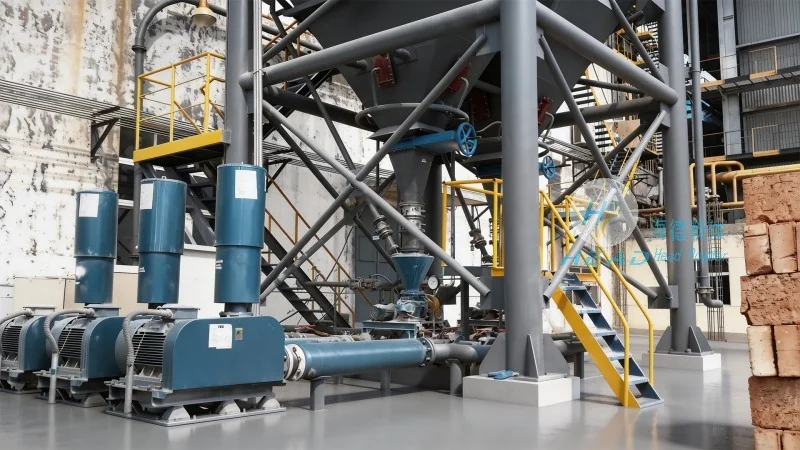
Key Components and Their Functions
The iron powder pneumatic conveying system consists of several critical components, each playing a vital role in the overall operation. The hopper is the primary storage unit, equipped with a discharge valve to control the flow of iron powder into the pipeline. It is often designed with a conical bottom to facilitate smooth material discharge and may include a vibratory feeder to prevent clogging. The blower or compressor generates the necessary air pressure and volume to move the powder. Centrifugal blowers are commonly used for dilute-phase systems due to their efficiency and ability to handle large volumes of air, while positive displacement compressors are preferred for dense-phase applications requiring higher pressure. The pipeline network connects the hopper to the receiver, with bends, elbows, and straight sections strategically placed to minimize pressure drop and prevent particle deposition. The receiver, typically a large tank or hopper, collects the conveyed iron powder and may include a discharge valve or conveyor for further processing. Filtration systems, such as cyclones or bag filters, are installed at the end of the pipeline to capture any escaped powder and return it to the system, ensuring minimal loss and maintaining a clean environment.
Advantages of Using Iron Powder Pneumatic Conveying Equipment
Implementing iron powder pneumatic conveying equipment offers numerous advantages over traditional material handling methods. One of the most significant benefits is the reduction in dust exposure, which enhances workplace safety and compliance with occupational health regulations. The sealed system prevents the release of fine iron powder into the air, minimizing the risk of respiratory issues and environmental contamination. Additionally, the system reduces product loss and contamination, as the iron powder remains contained within the pipeline and receiver. This is particularly important for high-value or sensitive materials where even small amounts of loss can impact production efficiency and product quality. The equipment also offers flexibility in terms of layout, as the pipeline can be routed around obstacles or through different levels of a facility, providing greater design freedom. Furthermore, pneumatic conveying systems can be integrated with other process equipment, such as mixers or reactors, to create a continuous production line, improving overall process efficiency and reducing downtime. The ability to handle iron powder at high flow rates and over long distances makes this technology ideal for large-scale industrial applications.
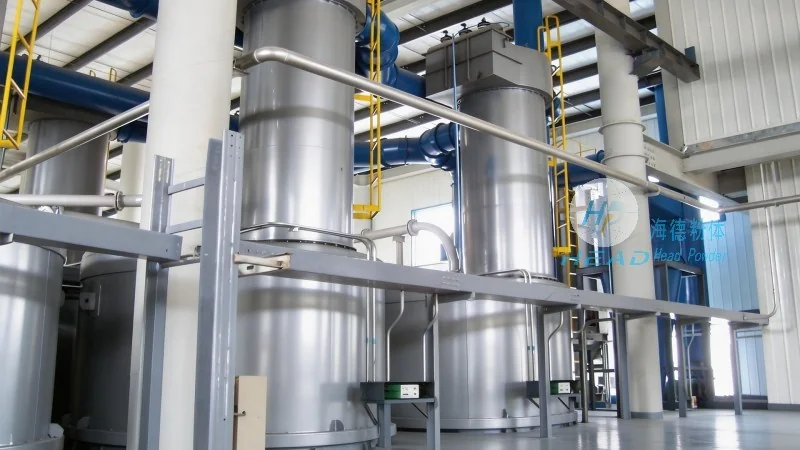
Applications and Industries
Iron powder pneumatic conveying equipment is widely used across various industries that rely on the handling of fine powders. In the metallurgical industry, it is used to transport iron powder for the production of steel and other metal alloys. The consistent flow of iron powder ensures uniform mixing and reduces the risk of material segregation, which can affect the quality of the final product. In chemical manufacturing, the equipment is employed to handle iron powder in the production of pigments, catalysts, and other chemical compounds. The ability to maintain a clean and controlled environment is crucial in these processes to prevent contamination and ensure product purity. The pharmaceutical industry also utilizes pneumatic conveying systems for the handling of iron powder used in drug formulations, where strict hygiene and contamination control are mandatory. Additionally, in the food industry, although less common, the equipment may be used for the transport of iron-enriched powders or other fine food ingredients, where safety and quality are paramount. The versatility of the iron powder pneumatic conveying system makes it suitable for a wide range of applications where efficient and safe powder handling is essential.
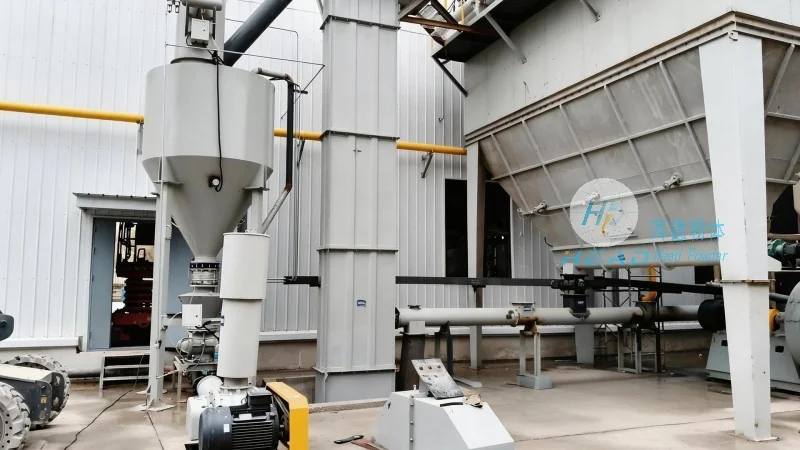
Maintenance and Operational Considerations
Proper maintenance and operational practices are essential to ensure the long-term performance and reliability of iron powder pneumatic conveying equipment. Regular inspection of components such as the hopper, pipeline, and receiver is necessary to detect any signs of wear, clogging, or damage. The hopper and discharge valve should be checked for caking or buildup, which can impede material flow and increase pressure drop. The blower or compressor should be inspected for proper air pressure and flow rates, as any deviations can affect the conveying efficiency. Filtration systems should be cleaned or replaced regularly to maintain their effectiveness in capturing escaped powder. Additionally, the system should be operated within the recommended flow rates and air pressures to prevent excessive wear on components and ensure consistent performance. Training operators on the proper use and maintenance of the equipment is also critical to minimize downtime and maximize the system's lifespan. By following these maintenance and operational guidelines, the iron powder pneumatic conveying equipment can operate efficiently and reliably, providing consistent and safe powder transport for industrial applications.
Conclusion
Iron powder pneumatic conveying equipment is a sophisticated and essential technology for the efficient and safe handling of iron powder in various industrial applications. The design principles, components, and operational considerations outlined above highlight the importance of this system in maintaining process efficiency, product quality, and workplace safety. As a key component in material handling, the equipment combines mechanical and pneumatic engineering to achieve reliable and continuous powder transport. With proper design, maintenance, and operation, iron powder pneumatic conveying systems can provide long-term benefits to industries that rely on the handling of fine powders. The technology continues to evolve with advancements in materials and control systems, ensuring that it remains a viable and effective solution for future industrial needs.




