For industries dealing with polyolefin materials, efficient material handling is crucial. A polyolefin pneumatic conveying system is a specialized equipment designed to transport these materials through a system of pipes using air or other gases. This article explores the components, design principles, and applications of such systems, with a focus on the expertise of Shandong HeadPowder Engineering Co., Ltd., a leading manufacturer in this field.
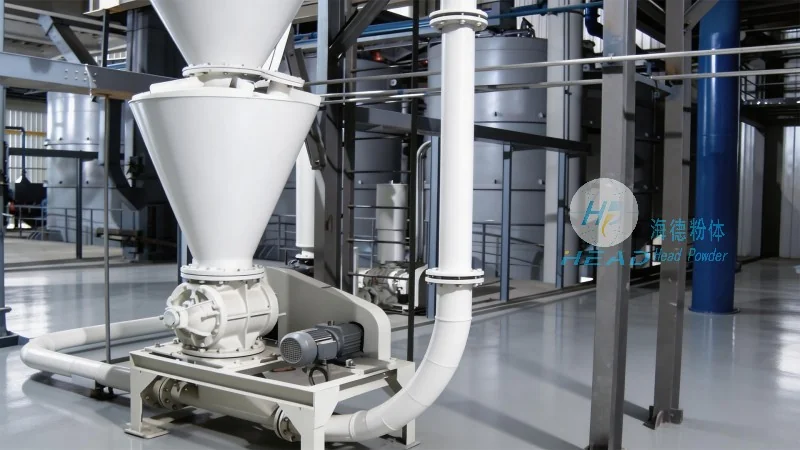
What is a Polyolefin Pneumatic Conveying System?
A polyolefin pneumatic conveying system is a type of material handling equipment that uses air or gas to move polyolefin powders or granules from one location to another. Unlike traditional mechanical conveyors, which rely on physical contact and friction, pneumatic systems utilize the force of moving air to propel the material through a network of pipes. This method is particularly advantageous for polyolefins due to their light weight, low density, and potential for static charge accumulation, which can be effectively managed by the air flow in the system.
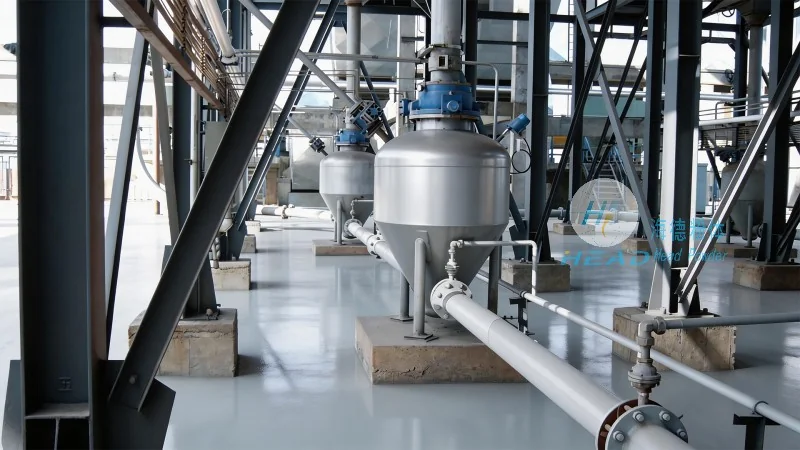
Key Components of the System
The core components of a polyolefin pneumatic conveying system typically include a hopper or feeder for material storage, a blower or compressor to generate the air flow, a conveying line (often with bends and filters), and a receiver or discharge unit. The hopper ensures a consistent feed of material, while the blower provides the necessary pressure or vacuum to move the polyolefin particles. The conveying line may incorporate features like cyclones or filters to separate the material from the air and prevent clogging. The receiver collects the conveyed material, completing the transport process.
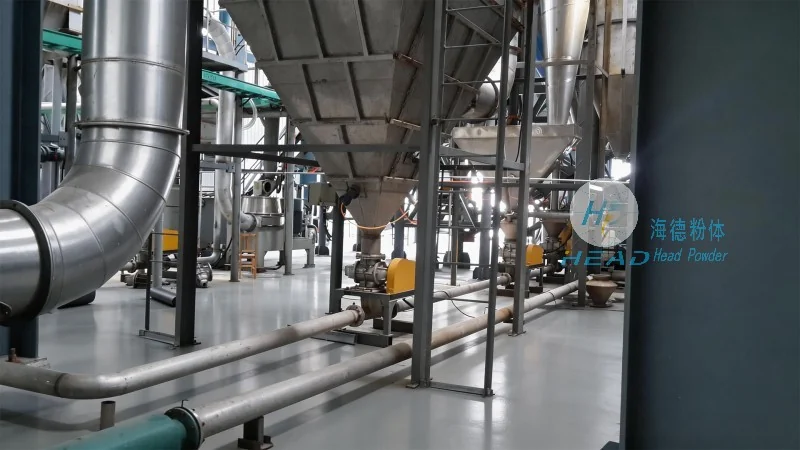
Design Principles for Efficient Operation
The design of a polyolefin pneumatic conveying system is governed by several key principles to ensure optimal performance and reliability. First, the system must be designed to handle the specific properties of polyolefins, such as their particle size, density, and flow characteristics. This involves selecting appropriate hopper angles and feeder mechanisms to prevent material bridging or segregation. Second, the air velocity within the conveying line must be carefully controlled to prevent particle degradation or excessive wear on the system components. Third, the system should incorporate effective filtration and cleaning mechanisms to maintain air quality and prevent dust accumulation, which is critical for both operational efficiency and safety.
Applications and Industry Benefits
Polyolefin pneumatic conveying systems are widely used in various industries, including plastics manufacturing, chemical processing, and food processing. They offer several advantages over traditional methods, such as reduced labor costs, increased safety (as there is no physical contact with the material), and the ability to transport materials over long distances without the need for multiple transfer points. The systems are also highly adaptable, allowing for integration with existing production lines and easy expansion as production needs grow.
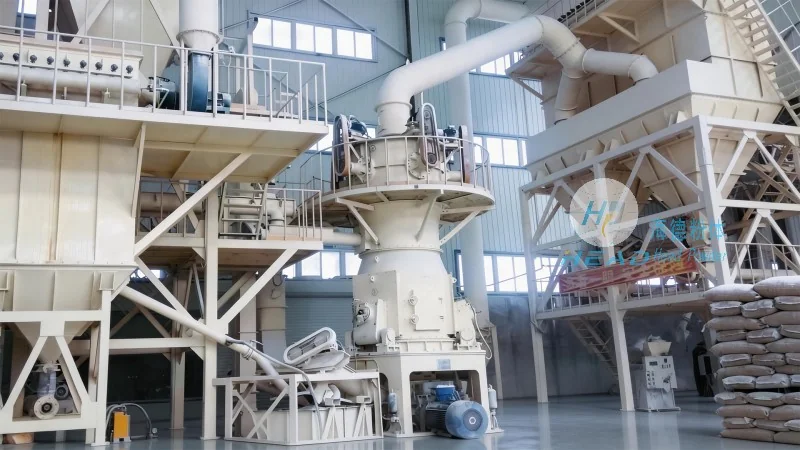
About Shandong HeadPowder Engineering Co., Ltd.
Shandong HeadPowder Engineering Co., Ltd., operating under the brand name HeadPowder, is a reputable manufacturer specializing in the design and production of pneumatic conveying systems for polyolefin and other powder materials. With facilities located in Shandong, China, the company leverages advanced engineering and manufacturing capabilities to deliver high-quality equipment tailored to the specific needs of its clients. HeadPowder's commitment to innovation and customer satisfaction has established it as a trusted partner in the material handling industry, providing reliable solutions that enhance operational efficiency and productivity.




