Quantitative feeding of powder materials is a critical process in industrial applications where precise and controlled delivery of bulk solids is essential. This method ensures consistent material flow rates, which is vital for maintaining product quality, optimizing production efficiency, and meeting regulatory standards in various industries such as pharmaceuticals, food processing, and chemical manufacturing. The process involves the use of specialized equipment designed to measure and deliver powder materials in exact quantities, often under controlled conditions like temperature, humidity, and pressure.
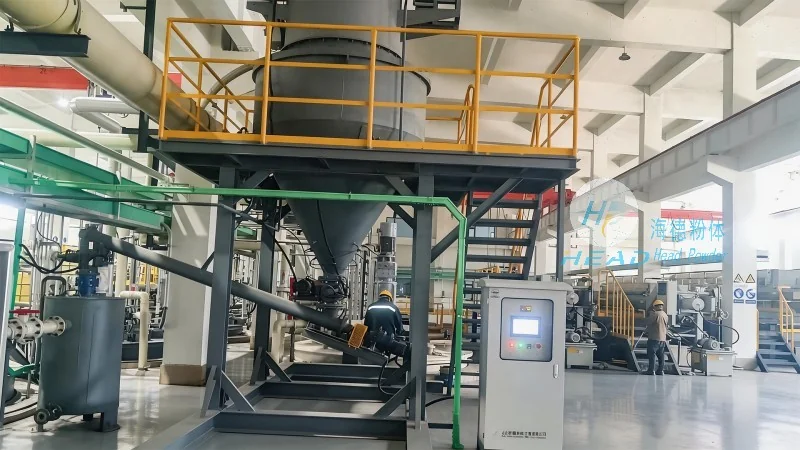
The Role of Precision in Powder Handling Systems
Precision is the cornerstone of quantitative feeding systems. These systems are engineered to minimize variations in material flow, ensuring that the exact amount of powder is delivered at each stage of the production process. This accuracy is achieved through advanced technologies such as gravimetric measurement, volumetric control, and automated feeding mechanisms. For instance, gravimetric feeders use load cells to weigh the material as it is being fed, providing real-time feedback to adjust the feeding rate. This approach is particularly useful for materials with varying bulk densities or flow characteristics, as it compensates for changes in the material's behavior during handling.
The Design Principles of Quantitative Feeding Systems
The design of quantitative feeding systems follows several key principles to ensure reliability and efficiency. First, the system must be capable of handling a wide range of powder properties, including different particle sizes, moisture content, and flowability. This requires the use of flexible components like adjustable feed hoppers, variable speed drives, and material conditioners. Second, the system should incorporate robust control mechanisms to maintain consistent feeding rates, even under varying load conditions or changes in material characteristics. Third, the design must prioritize safety and compliance with industry standards, incorporating features like overload protection, dust suppression, and easy maintenance access.
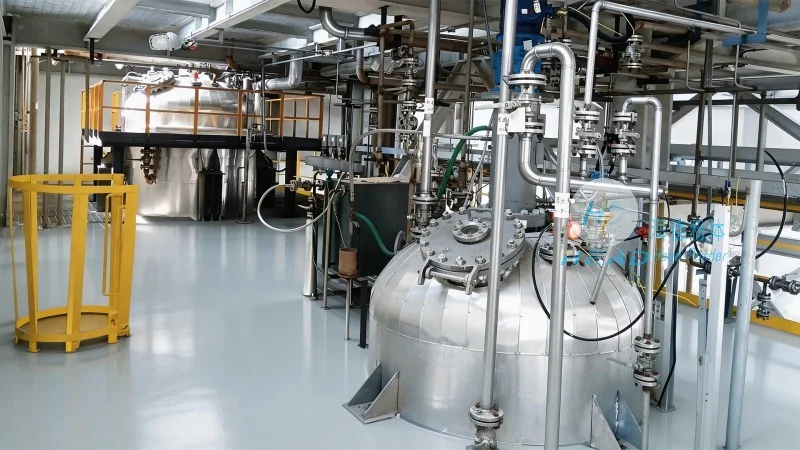
Components and Technologies in Quantitative Feeding Systems
Quantitative feeding systems typically consist of several key components that work in tandem to achieve precise material delivery. The primary components include the feed hopper, which stores the powder and controls the flow into the feeder; the feeder itself, which measures and delivers the material; and the control system, which regulates the operation of the feeder based on set parameters. Modern systems often integrate sensors and automation technologies to enhance performance. For example, level sensors monitor the material level in the hopper, while pressure sensors detect blockages or variations in flow. These sensors feed data to the control system, which adjusts the feeder speed or flow rate accordingly. Additionally, some systems use material conditioners, such as vibrators or pre-screws, to improve the flowability of cohesive or sticky powders, ensuring smooth and consistent feeding.
Applications and Industries Benefiting from Quantitative Feeding
Quantitative feeding of powder materials is widely used across various industries where precision and consistency are paramount. In the pharmaceutical industry, for example, accurate dosing of active pharmaceutical ingredients (APIs) is critical to ensure the efficacy and safety of medications. The use of quantitative feeding systems helps maintain the exact dosage in each batch, reducing the risk of under or over-dosing. Similarly, in the food industry, precise feeding of ingredients like sugar, flour, or spices is essential for maintaining product quality and meeting regulatory requirements. In the chemical industry, quantitative feeding is used to control the addition of reagents or catalysts in chemical reactions, ensuring optimal reaction conditions and product yield. Other applications include the production of cement, ceramics, and plastics, where consistent powder feeding is necessary for achieving uniform product properties.
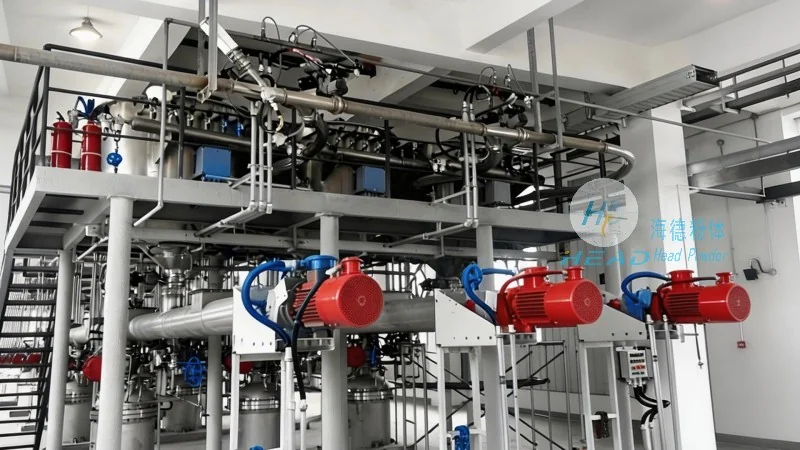
Advantages of Using Quantitative Feeding Systems
Implementing quantitative feeding systems offers several advantages over traditional methods. First, it significantly improves production efficiency by reducing downtime and waste. By delivering the exact amount of material needed, these systems minimize overfeeding, which can lead to excess material that needs to be handled or disposed of. Second, they enhance product quality by ensuring consistent material composition. This is particularly important in industries where variations in material can affect the final product's performance or safety. Third, quantitative feeding systems reduce labor costs by automating the feeding process, eliminating the need for manual adjustments and monitoring. Additionally, these systems can integrate with existing production lines, providing seamless operation and data integration for process control and quality management.
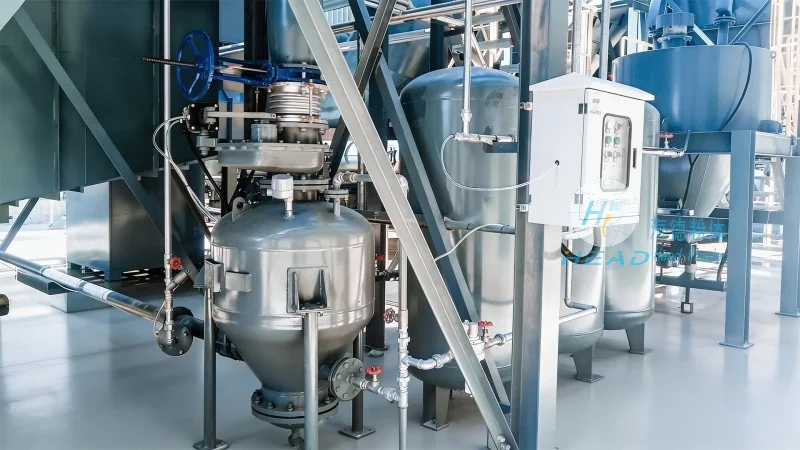
Challenges and Solutions in Quantitative Feeding
While quantitative feeding systems offer numerous benefits, they also present some challenges that need to be addressed. One common challenge is dealing with materials that have poor flow characteristics, such as cohesive or sticky powders. These materials can cause blockages or uneven feeding, leading to inconsistent output. To overcome this, manufacturers use specialized equipment like pre-screws or vibrators to condition the material and improve its flowability. Another challenge is maintaining the accuracy of the feeding system over time. Wear and tear on components, such as load cells or sensors, can affect the system's performance. Regular maintenance and calibration are essential to ensure the system remains accurate and reliable. Additionally, environmental factors like temperature and humidity can impact the material's properties, which in turn affects the feeding rate. Advanced control systems can compensate for these variations by adjusting the feeding parameters in real-time.
Conclusion: The Importance of Quantitative Feeding in Modern Manufacturing
Quantitative feeding of powder materials is a fundamental process in modern manufacturing, enabling precise and efficient handling of bulk solids. The design principles and technologies behind these systems are continuously evolving to meet the demands of various industries. By ensuring consistent material delivery, quantitative feeding systems contribute to improved product quality, increased production efficiency, and reduced operational costs. As industries continue to prioritize precision and automation, the importance of quantitative feeding systems will only grow. For businesses looking to enhance their material handling processes, investing in reliable quantitative feeding systems is a strategic decision that can yield significant long-term benefits.




