Bulk material loading and unloading is a critical process in industrial operations, particularly for handling powders and granules efficiently. This process involves the transfer of bulk materials from one location to another, such as from a truck or ship to a storage silo or vice versa. The effectiveness of this operation is crucial for maintaining production efficiency and minimizing downtime. Understanding the mechanisms and design principles behind bulk material handling systems is essential for industries that rely on consistent and reliable material flow. Shandong HeadPowder Engineering Co., Ltd., a leading provider of bulk material handling solutions, specializes in designing and manufacturing systems tailored to meet the diverse needs of various industries.
Understanding Bulk Material Loading and Unloading
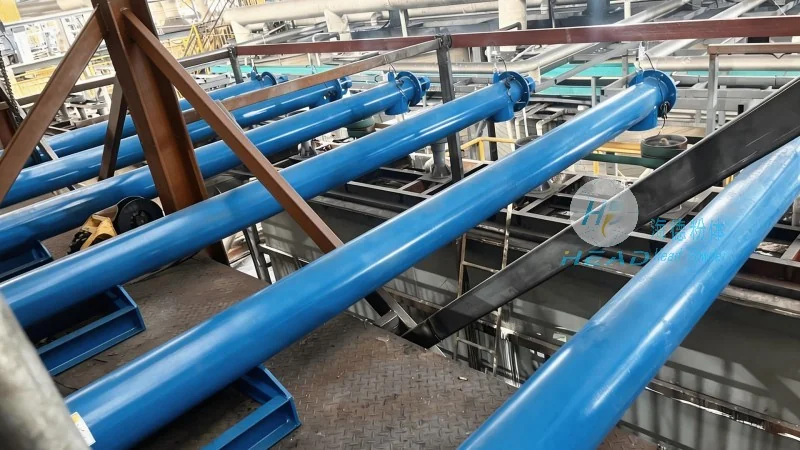
Bulk material loading and unloading refers to the process of transferring solid materials in large quantities, typically in powder or granular form, between different storage or transportation vessels. This operation is fundamental in sectors like mining, agriculture, food processing, and chemical manufacturing, where raw materials or finished products need to be moved between trucks, ships, and silos. The primary goal is to ensure that materials are transferred safely, efficiently, and with minimal loss or contamination. Various methods are employed, including pneumatic conveying, mechanical conveying, and gravity-based systems, each with its own advantages and applications.
The Role of Design Principles in Bulk Material Handling
The design of bulk material loading and unloading systems is governed by several key principles that ensure optimal performance. These principles include material characteristics, system efficiency, safety considerations, and operational reliability. Material characteristics, such as particle size, density, and flowability, play a significant role in determining the most suitable conveying method. For instance, cohesive or sticky materials may require specialized equipment like screw conveyors or pneumatic systems with high-pressure air to prevent blockages. System efficiency is another critical factor, as it impacts the overall productivity of the operation. Designers must consider factors like energy consumption, maintenance requirements, and throughput capacity to create a system that meets the specific needs of the industry.
Key Components of Bulk Material Loading and Unloading Systems
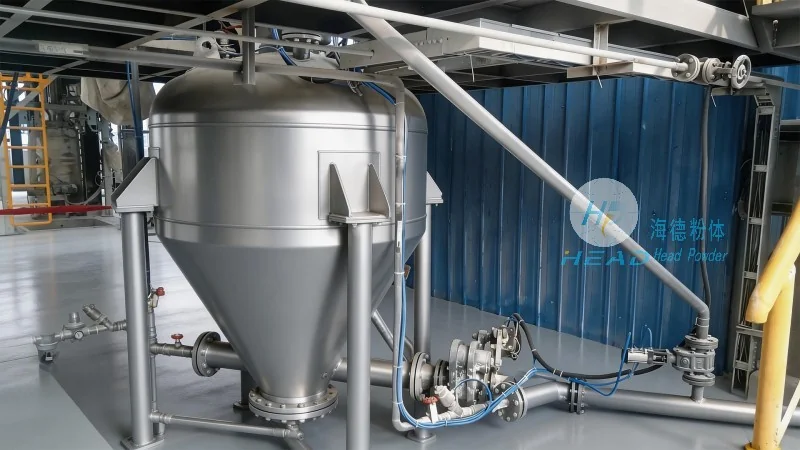
Bulk material loading and unloading systems typically consist of several key components that work together to facilitate the transfer of materials. These components include feeders, conveyors, hoppers, and discharge mechanisms. Feeders are used to regulate the flow of material from the source to the conveyor system, ensuring a consistent and controlled rate. Conveyors, such as screw or pneumatic systems, are responsible for transporting the material over the required distance. Hoppers are used to store and temporarily hold the material before it is transferred to the next stage of the process. Discharge mechanisms, such as valves or gates, control the release of material into the receiving vessel. Each component must be carefully designed and integrated to ensure smooth operation and prevent issues like blockages or material degradation.
Applications and Industries Benefiting from Bulk Material Handling
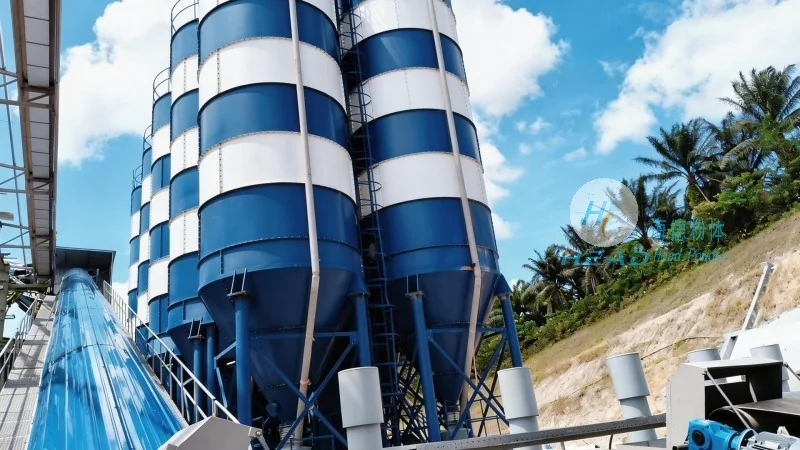
Bulk material loading and unloading systems are widely used across various industries due to their versatility and efficiency. In the mining industry, these systems are used to transfer ore from trucks to processing plants or storage facilities. In agriculture, they help in moving grain or other agricultural products from fields to silos or shipping containers. The food processing industry relies on bulk material handling for transferring ingredients like flour, sugar, or spices between production stages. Chemical manufacturers use these systems to handle raw materials and finished products, ensuring safe and efficient transfer. The construction industry also benefits from bulk material handling for transporting sand, gravel, or cement between sites. Each application requires a tailored system design to meet the specific requirements of the material and the operational environment.
Challenges and Solutions in Bulk Material Loading and Unloading
Despite the advancements in bulk material handling technology, several challenges remain that can impact the efficiency and reliability of the systems. One common challenge is material bridging or arching, where the material forms a stable arch in the hopper or conveyor, preventing flow. This issue can be addressed by using vibration or air agitation systems to break up the arch and maintain a consistent flow. Another challenge is the risk of material degradation due to exposure to air or moisture, which can affect the quality of the product. To mitigate this, systems may include sealed containers or moisture control measures. Additionally, maintenance and downtime are critical concerns, as any interruption in the material flow can lead to significant losses. Regular maintenance schedules and the use of durable materials in the construction of the system can help minimize these issues and ensure long-term reliability.
Conclusion
Bulk material loading and unloading is a complex but essential process in modern industrial operations. The design principles and components of these systems are carefully considered to ensure efficient, safe, and reliable material transfer. By understanding the material characteristics, system requirements, and operational constraints, engineers can design systems that meet the specific needs of the industry. The continuous improvement in technology and materials has led to more efficient and robust bulk material handling solutions, enabling industries to maintain high productivity and meet the demands of their customers. As industries continue to evolve, the importance of effective bulk material handling will only grow, making it a critical area of focus for manufacturers and operators alike.




