Feather powder conveying is a specialized process used in industrial applications to transport fine powders, particularly those derived from feather processing or similar materials. This method is crucial for industries dealing with delicate or lightweight powders, as it ensures efficient and gentle handling to prevent product degradation or loss. Understanding the fundamentals of feather powder conveying and its underlying design principles is essential for optimizing material handling systems and maintaining product quality. Shandong HeadPowder Engineering Co., Ltd. specializes in the design and implementation of such systems, leveraging years of expertise in powder technology to deliver reliable solutions for diverse industrial needs.
Overview of Feather Powder Conveying Systems
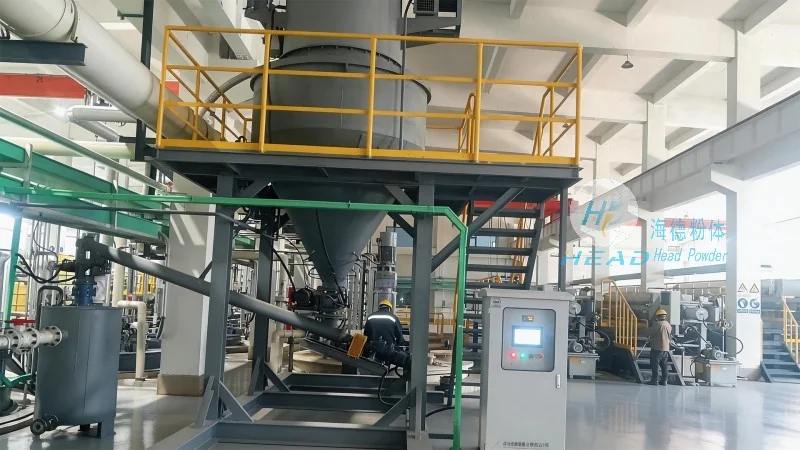
Feather powder conveying systems are engineered to move fine, often lightweight powders through a network of components designed to minimize particle breakage and maintain consistent flow. These systems typically consist of several key elements, including feeders, conveyors, and control mechanisms, all working in tandem to ensure reliable material transport. The design of such systems must account for the unique properties of feather powders, which may include high moisture content, variable particle size, and low bulk density. By addressing these characteristics, the system can effectively handle the material without compromising its integrity or the efficiency of the process.
Key Design Principles for Efficient Conveying
The design of feather powder conveying systems relies on several core principles to achieve optimal performance. First, the system must ensure gentle handling of the powder to avoid agglomeration or particle damage. This is often achieved through the use of low-speed, high-capacity conveyors and specialized feed mechanisms that minimize impact and shear forces. Second, the system should be designed for consistent material flow, which is critical for maintaining process stability and preventing clogging or blockages. This involves careful consideration of the powder's flow characteristics, such as its angle of repose and cohesive properties. Additionally, the system must be scalable and adaptable to accommodate changes in production volume or powder composition, ensuring long-term operational flexibility.
Components and Their Functions in a Typical System
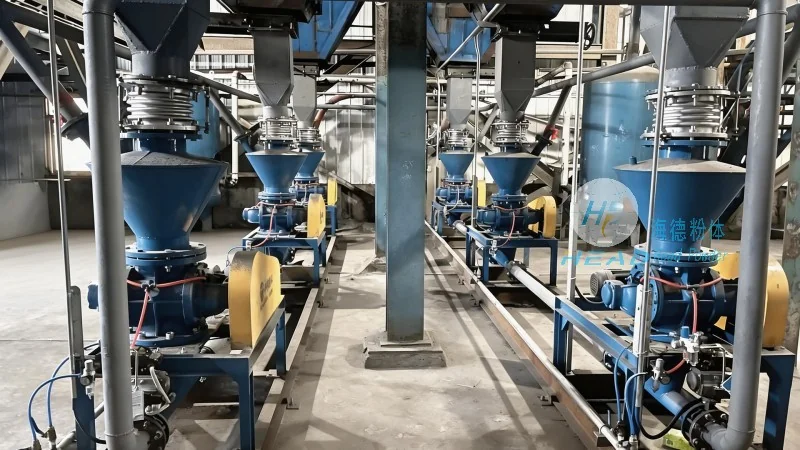
A typical feather powder conveying system includes several components, each playing a vital role in the overall operation. The feeder is responsible for uniformly feeding the powder into the conveyor, ensuring a steady flow rate. This component is often designed with adjustable speed controls to match the system's throughput requirements. The conveyor itself, which may be a pneumatic or mechanical system, transports the powder from the feeder to the discharge point. Pneumatic conveying systems, for example, use air pressure to move the powder through a pipeline, while mechanical conveyors rely on belts or screws to transport the material. The control system monitors and adjusts the flow rate, pressure, and other parameters to maintain optimal operation. Each component is selected based on the specific properties of the feather powder and the operational demands of the application, ensuring a tailored solution for the user.
Addressing Common Challenges in Feather Powder Conveying
Despite the efficiency of modern feather powder conveying systems, several challenges may arise during operation. One common issue is the buildup of powder on system components, which can lead to clogging and reduced performance. This is often mitigated through the use of cleaning mechanisms or regular maintenance schedules. Another challenge is the variability in powder properties, such as changes in moisture content or particle size, which can affect flow characteristics. To address this, many systems incorporate sensors and feedback loops to adjust operation in real-time, ensuring consistent performance even under changing conditions. Furthermore, the system must be designed to handle the potential for dust generation and ensure proper ventilation to maintain a safe working environment. These considerations are critical for both operational efficiency and workplace safety.
Applications and Industries Benefiting from Feather Powder Conveying
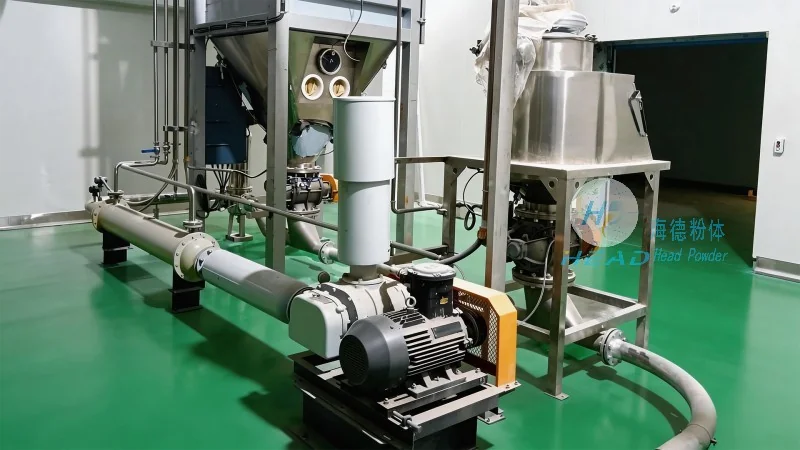
Feather powder conveying is widely used in various industries where fine powders are a key component. These include the food industry, where feather powders may be used as additives or ingredients, and the pharmaceutical industry, where precision handling is critical to maintain product purity. Additionally, the agricultural and chemical sectors may utilize feather powders for fertilizer or coating applications, where consistent transport is essential for quality control. The versatility of feather powder conveying systems makes them suitable for a wide range of applications, from small-scale laboratory operations to large-scale industrial production. By providing reliable and efficient material transport, these systems support the production of high-quality products and enhance overall operational efficiency across multiple sectors.
Conclusion: The Importance of Proper Design and Implementation
In conclusion, feather powder conveying is a critical process in industries dealing with fine, lightweight powders. The design principles and components of these systems are carefully engineered to ensure efficient, gentle handling of the material, while maintaining product quality and process stability. By understanding the unique challenges and requirements of feather powders, engineers can design systems that optimize performance and minimize downtime. As industries continue to rely on feather powders for various applications, the importance of well-designed conveying systems will only grow, ensuring reliable and efficient material handling for years to come. Shandong HeadPowder Engineering Co., Ltd. remains committed to advancing powder technology and providing innovative solutions that meet the evolving needs of its clients in the feather powder conveying sector.




