Feed powder conveying is a critical process in the agricultural and animal feed industries, involving the efficient transportation of bulk powder materials like feed ingredients from one location to another. This technology is essential for optimizing production lines, ensuring consistent material flow, and maintaining operational efficiency in feed manufacturing facilities. The design of feed powder conveying systems is based on several key principles that address the unique challenges of handling fine powders, such as dust generation, material segregation, and the need for gentle handling to preserve product quality.
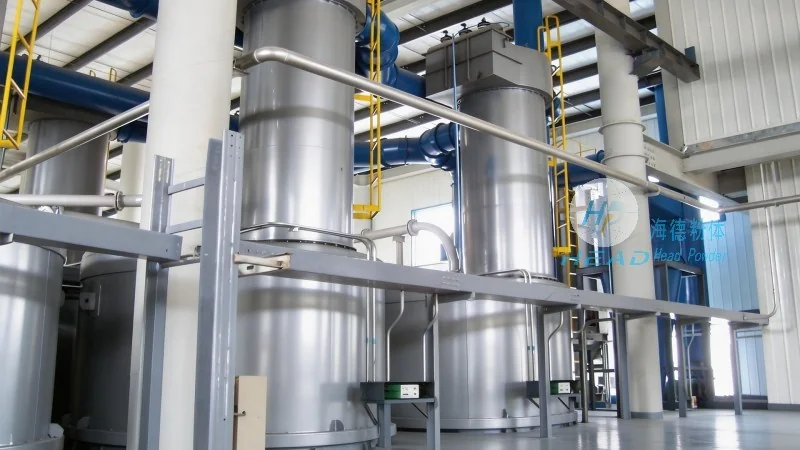
The Importance of Proper Feed Powder Conveying in Feed Production
Effective feed powder conveying is not just about moving material; it's about maintaining the integrity of the feed components. In the feed industry, ingredients like grains, vitamins, minerals, and additives are often in powder form and require careful handling to prevent degradation, clumping, or contamination. A well-designed conveying system ensures that these powders are transported without degradation, preserving their nutritional value and ensuring consistent feed quality for animals. This is particularly important in modern feed production, where precision and consistency are paramount for animal health and performance.
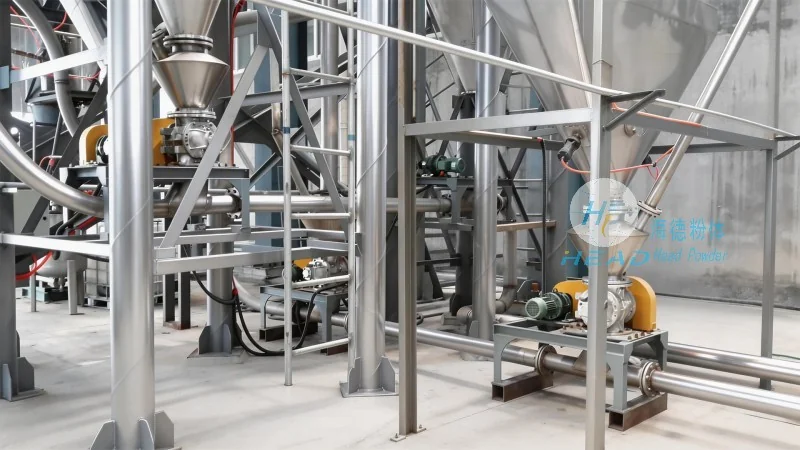
Key Design Principles for Feed Powder Conveying Systems
The design of feed powder conveying systems revolves around several fundamental principles tailored to the characteristics of feed powders. These principles include: 1. Gentle Material Handling: Feed powders are often sensitive and can be damaged by harsh handling, such as high-speed impacts or excessive pressure. Conveying systems like pneumatic conveyors, screw conveyors, and bucket elevators are designed to move powders with minimal stress, preventing agglomeration and maintaining particle integrity. 2. Containment and Dust Control: Feed powders are prone to generating dust, which can pose health and safety risks and lead to material loss. Design principles emphasize sealed systems, proper ventilation, and dust collection mechanisms to contain particles and prevent environmental contamination. 3. Efficiency and Energy Conservation: Modern feed powder conveying systems are engineered for high efficiency, minimizing energy consumption while maximizing material throughput. This includes optimizing air flow in pneumatic systems, using low-friction components in mechanical conveyors, and implementing variable speed drives to adjust to varying production demands. 4. Scalability and Flexibility: Feed production facilities often need to adapt to changing production volumes or ingredient types. Conveying systems are designed to be scalable, allowing for easy expansion or modification to accommodate different feed formulations or production rates. This flexibility ensures that the system can grow with the business and meet evolving industry needs.
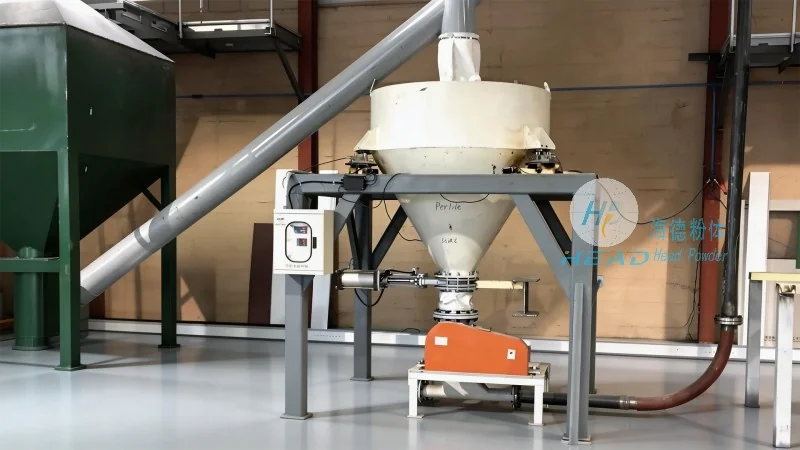
Components of a Typical Feed Powder Conveying System
A typical feed powder conveying system consists of several key components that work together to transport materials efficiently. These components include: 1. Hopper or Storage Bin: The system starts with a hopper or storage bin that holds the feed powder. This container is designed to provide a consistent feed of material to the conveying equipment, preventing blockages and ensuring a steady flow. 2. Conveying Equipment: The heart of the system is the conveying equipment, which can be pneumatic (air-assisted) or mechanical (e.g., screw, belt, or bucket elevators). Pneumatic systems use air to move powders through a pipeline, while mechanical systems use mechanical force to transport materials. 3. Ductwork or Chutes: For pneumatic systems, ductwork or pipelines are used to transport the powder-air mixture. These systems are designed to minimize pressure drop and ensure smooth flow. For mechanical systems, chutes or troughs guide the material along the path of the conveyor. 4. Control Systems: Modern feed powder conveying systems are equipped with control systems that monitor and regulate the flow of material. These systems may include sensors to detect material levels, pressure, or flow rates, and control valves or pumps to adjust the conveying speed or pressure as needed. 5. Dust Collection and Filtration: To manage dust and maintain air quality, dust collection systems are integrated into the design. These systems capture airborne particles and filter the air before releasing it back into the environment, ensuring compliance with safety and environmental regulations.
Benefits of Advanced Feed Powder Conveying Solutions
Implementing advanced feed powder conveying solutions offers numerous benefits for feed manufacturers. These include: 1. Improved Product Quality: By minimizing material degradation and ensuring consistent handling, the quality of the feed is maintained, leading to better animal health and performance. 2. Increased Operational Efficiency: Efficient conveying systems reduce downtime, lower energy costs, and improve overall production throughput. 3. Enhanced Safety and Compliance: Proper containment and dust control systems ensure a safe working environment and compliance with environmental regulations. 4. Cost Savings: By optimizing material handling and reducing waste, feed manufacturers can achieve significant cost savings over time. 5. Scalability and Adaptability: Modern systems can be easily adjusted to accommodate changing production needs or new feed formulations, providing long-term value.
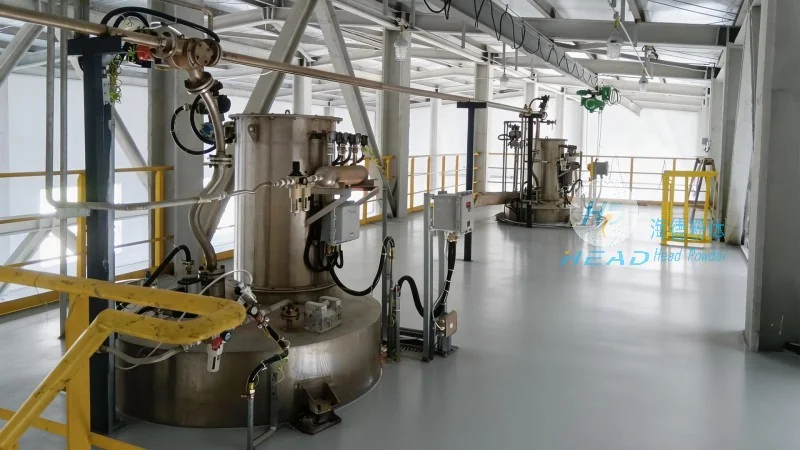
Conclusion: The Role of Feed Powder Conveying in Modern Feed Manufacturing
Feed powder conveying is a cornerstone of modern feed manufacturing, enabling efficient and safe transportation of critical feed ingredients. The design principles and components of these systems are tailored to the unique challenges of handling fine powders, ensuring that feed quality is preserved while optimizing operational performance. As the feed industry continues to evolve, advanced conveying solutions will remain essential for maintaining competitiveness and meeting the demands of a growing global market. Companies like Shandong HeadPowder Engineering Co., Ltd., based in China, specialize in designing and manufacturing high-quality feed powder conveying systems that meet the specific needs of feed manufacturers, helping them achieve optimal performance and sustainability in their operations.




