Wood dust, a byproduct of woodworking and related industries, presents unique challenges in handling and transportation. The wood dust powder conveying system is a specialized solution designed to efficiently transport these fine particles from one location to another. This system is crucial for maintaining operational efficiency and safety in environments where wood dust is prevalent. By understanding the core components and design principles of such systems, businesses can optimize their material handling processes and ensure compliance with safety regulations.
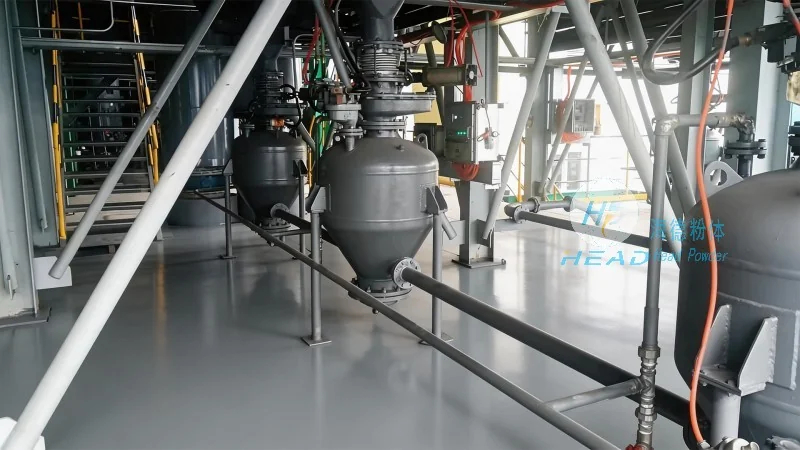
About HeadPowder: A Leading Provider of Powder Conveying Solutions
HeadPowder, or Shandong HeadPowder Engineering Co., Ltd., is a prominent company based in Shandong, China, specializing in the design, manufacturing, and implementation of advanced powder conveying systems. With a strong focus on innovation and customer-centric solutions, HeadPowder has established itself as a trusted partner for industries dealing with various types of powders, including wood dust. The company's expertise lies in tailoring systems to meet specific operational requirements, ensuring reliability, durability, and cost-effectiveness.
Design Principles of Wood Dust Powder Conveying Systems
The design of a wood dust powder conveying system is based on several key principles that address the unique properties of wood dust. These include particle size, moisture content, and the need for dust control. The system typically employs a combination of components to achieve effective and safe transportation. For instance, the use of air or mechanical methods to move the dust particles is common. Air-based systems, such as pneumatic conveyors, use compressed air to create a flow that carries the dust through a network of pipes. Mechanical systems, like screw conveyors or belt conveyors, may also be used for certain applications, especially when dealing with larger or more abrasive particles. The choice of method depends on factors like the volume of material to be conveyed, the distance, and the required speed of transport.
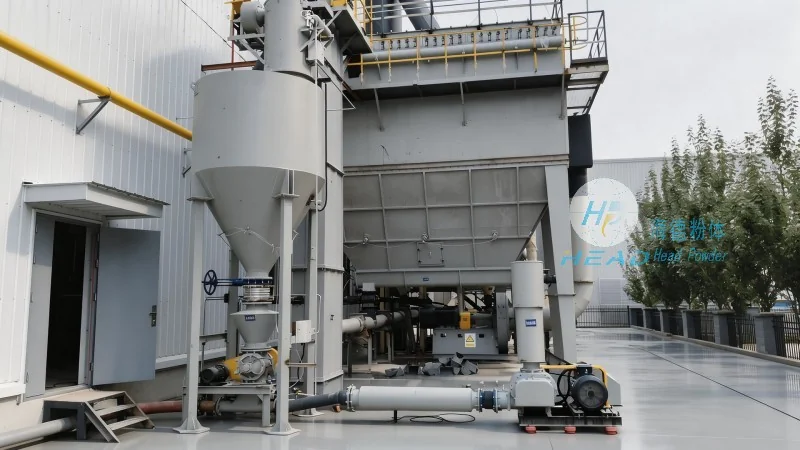
Key Components and Their Functions
Several critical components make up a wood dust powder conveying system. The primary components include the material feed hopper, the conveying mechanism (either pneumatic or mechanical), the pipeline system, and the control system. The feed hopper is responsible for collecting and feeding the wood dust into the system. It is designed to minimize dust emissions and ensure a consistent flow of material. The conveying mechanism, whether it's a venturi or a positive displacement blower in pneumatic systems, or a screw or belt in mechanical systems, generates the force needed to move the dust. The pipeline system consists of pipes that transport the dust from the source to the destination. These pipes are often made of materials resistant to corrosion and abrasion, such as stainless steel or high-density polyethylene. The control system manages the operation of the conveying process, including the flow rate, pressure, and safety features. It ensures that the system operates within safe parameters and can be easily monitored and adjusted as needed.
Advantages of Using a Wood Dust Powder Conveying System
Implementing a wood dust powder conveying system offers numerous advantages for businesses in the woodworking and related industries. One of the main benefits is improved efficiency in material handling. By automating the transportation of wood dust, companies can reduce labor costs and increase throughput. The system also enhances safety by containing dust within a closed system, preventing the spread of particles into the workplace and reducing the risk of respiratory issues among workers. Additionally, the closed system helps in maintaining a cleaner working environment, which is essential for both employee health and regulatory compliance. Another advantage is the ability to integrate the system with other processes, such as dust collection and recycling. This allows for a more comprehensive approach to waste management and resource utilization.
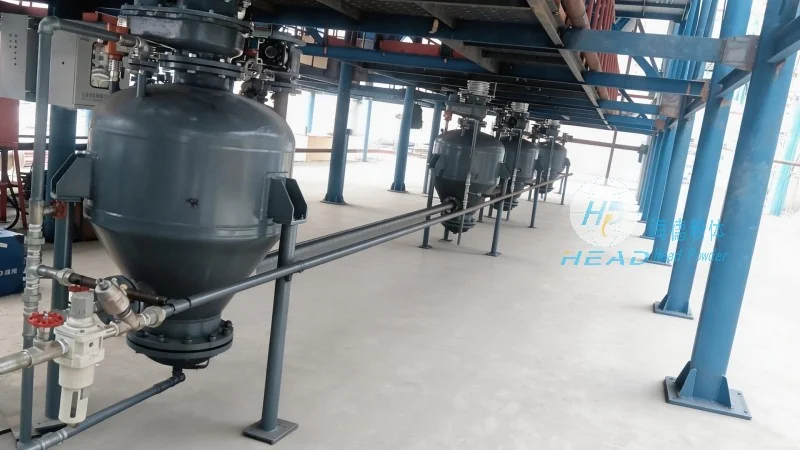
Applications in Woodworking and Related Industries
Wood dust powder conveying systems are widely used in various applications within the woodworking industry. These include transporting sawdust from cutting machines to storage silos, moving wood chips for further processing, and conveying dust from sanding operations to dust collection units. In addition to woodworking, the system is also applicable in other industries that generate fine wood particles, such as furniture manufacturing, wood-based panel production, and even some agricultural applications where wood waste is processed. The versatility of the system makes it suitable for different scales of operations, from small workshops to large industrial facilities.
Ensuring System Reliability and Maintenance
For a wood dust powder conveying system to operate effectively and efficiently, regular maintenance is essential. The system components, especially the pipes and conveying mechanisms, are subject to wear and tear due to the abrasive nature of wood dust. Regular inspections and cleaning of the pipeline are necessary to prevent blockages and ensure smooth operation. The control system should be checked for proper functioning, and any issues with the feed hopper or material feed should be addressed promptly. Additionally, the system should be equipped with safety features, such as pressure relief valves and dust filters, to prevent accidents and maintain a safe working environment. By following a proper maintenance schedule, businesses can extend the lifespan of their system and minimize downtime.




