Understanding the coffee bean powder conveying system is crucial for optimizing the efficiency and safety of coffee processing operations. This system is specifically engineered to handle the unique characteristics of coffee beans and their ground powders, ensuring smooth and reliable transport from one stage of production to another. The design principles behind such systems are rooted in the need to maintain product integrity, minimize contamination, and maximize operational efficiency.
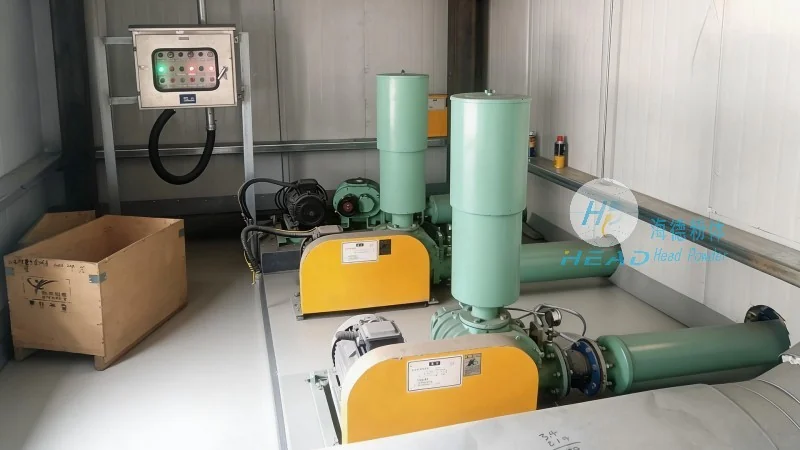
Coffee Bean Powder Conveying System: Core Components and Functionality
The coffee bean powder conveying system typically consists of several key components that work in tandem to achieve effective material transport. These include a hopper for initial material storage, a conveyor mechanism (such as a screw conveyor, pneumatic conveyor, or belt conveyor) to move the powder, and control systems to regulate the flow and speed. The choice of components depends on factors like the particle size of the coffee powder, the required throughput, and the space constraints of the facility. For instance, a screw conveyor is often preferred for its ability to handle dry, free-flowing powders without the need for additional air pressure, while a pneumatic conveyor may be used for more delicate or fine powders that require gentle handling.
Design Principles for Efficient and Safe Coffee Bean Powder Transport
The design principles of a coffee bean powder conveying system prioritize several critical aspects. First, the system must ensure minimal product degradation, which is essential for maintaining the quality and flavor of the coffee. This is achieved through careful consideration of material selection for the conveyor components—such as stainless steel or food-grade plastics—to prevent contamination and chemical reactions with the coffee powder. Second, the system must address the challenges posed by coffee powder's tendency to clump or create dust, which can lead to blockages or health hazards. Solutions often include features like agitators or vibration mechanisms to break up clumps and maintain a consistent flow. Third, energy efficiency is a key design consideration, as coffee processing facilities often operate continuously and need to minimize operational costs. This can be achieved through optimized motor sizing, variable speed drives, and energy recovery systems.
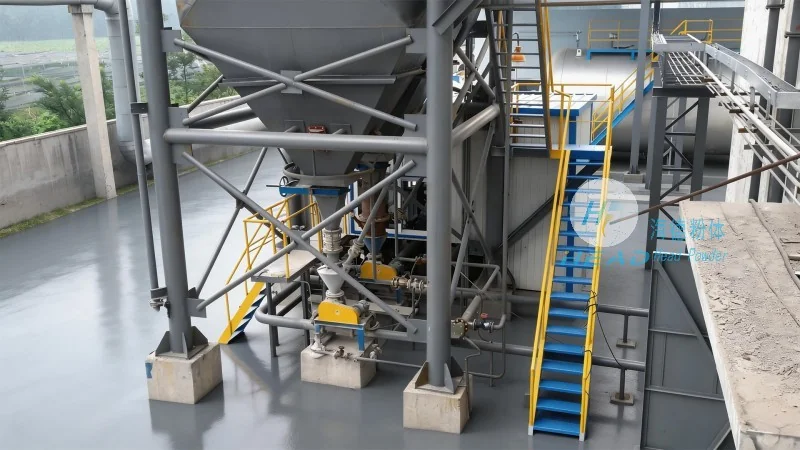
HeadPowder Engineering: Expertise in Coffee Bean Powder Conveying Solutions
Shandong HeadPowder Engineering Co., Ltd., commonly known as HeadPowder, is a leading provider of specialized conveying systems tailored for the coffee industry. With a deep understanding of the unique demands of coffee processing, HeadPowder designs and manufactures systems that meet the highest standards of efficiency, safety, and product integrity. The company's team of engineers leverages advanced engineering principles and years of industry experience to develop customized solutions that address the specific needs of each client. Whether it's a small-scale coffee roasting shop or a large industrial coffee processing plant, HeadPowder offers tailored conveying systems that enhance productivity and ensure consistent quality in coffee production.
Key Features of HeadPowder's Coffee Bean Powder Conveying Systems
HeadPowder's coffee bean powder conveying systems are equipped with several features that set them apart in the market. These include robust construction to withstand the abrasive nature of coffee powder, advanced sealing systems to prevent dust leakage and contamination, and user-friendly control panels for easy operation and maintenance. The systems are also designed for easy cleaning and sanitation, which is critical in food processing environments to comply with hygiene regulations. Additionally, HeadPowder offers customization options, allowing clients to adjust the system's capacity, speed, and components to suit their specific production requirements. This flexibility ensures that the conveying system integrates seamlessly with existing production lines and maximizes operational efficiency.
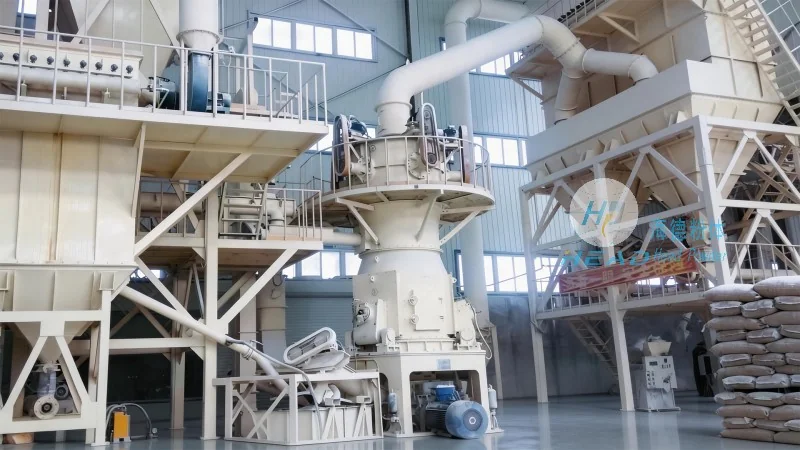
Application in Coffee Processing Facilities
The coffee bean powder conveying system plays a vital role in various stages of coffee processing, from the initial grinding of roasted beans to the final packaging of coffee powders. In a typical coffee processing plant, the system may be used to transport ground coffee from the grinding unit to the blending area, or from the blending area to the packaging line. The smooth operation of this system ensures that the coffee powder is delivered to the next stage without any delays or quality issues. For example, in a large-scale coffee roasting facility, a high-capacity conveying system can handle large volumes of ground coffee, reducing the time and labor required for manual transport. This not only improves efficiency but also minimizes the risk of product spoilage due to prolonged exposure to air or moisture.
Conclusion: Enhancing Coffee Production with Advanced Conveying Systems
As the coffee industry continues to grow and demand for high-quality coffee products increases, the importance of efficient and reliable coffee bean powder conveying systems cannot be overstated. These systems are not just tools for moving material; they are integral to maintaining product quality, ensuring operational safety, and optimizing production efficiency. By adhering to sound design principles and leveraging advanced technology, companies like Shandong HeadPowder Engineering Co., Ltd. are helping coffee processors around the world achieve their production goals while upholding the highest standards of quality and safety. The investment in a well-designed coffee bean powder conveying system is an investment in the long-term success and sustainability of the coffee business.




