Edible salt, a fundamental ingredient in food processing, requires specialized handling systems to ensure efficient and safe transport. This article explores the concept of an edible salt powder conveying line, detailing its design principles and the key components that enable effective powder handling. The focus is on understanding how such systems maintain product integrity, address industry challenges, and meet the stringent requirements of food processing facilities.
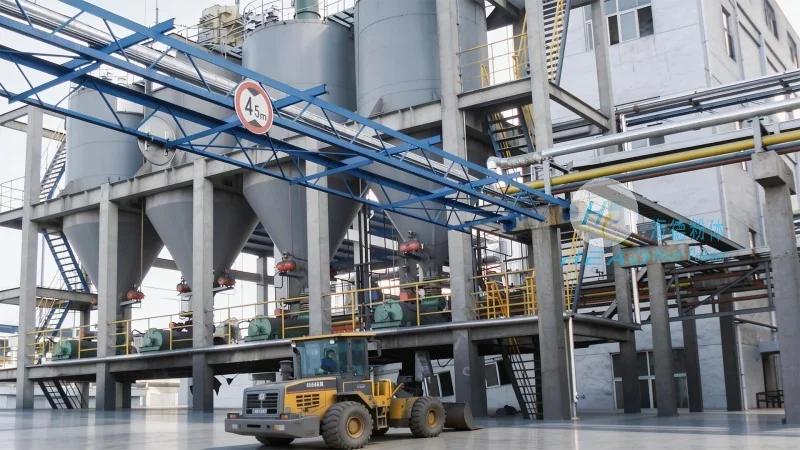
Introduction to Edible Salt Powder Conveying Lines
An edible salt powder conveying line is a specialized system engineered to transport fine salt particles from storage or production areas to processing, packaging, or storage locations. These systems are critical in the food industry, where maintaining the quality and consistency of salt is essential for product safety and consumer satisfaction. The design of these lines integrates mechanical, pneumatic, and sometimes hydraulic components, tailored to the unique properties of edible salt, including its granular size, moisture content, and flow characteristics. The primary goal is to achieve efficient, low-damage transport while adhering to hygiene and safety standards.
Understanding the Core Function of a Powder Conveying System for Edible Salt
At the heart of any edible salt powder conveying line is the ability to move salt particles reliably and without degradation. The system must transfer salt from bulk storage silos or production lines to downstream equipment, such as mixers, packaging machines, or additional processing units. This transfer must be consistent, ensuring that the salt remains free-flowing, uniform in size, and free from contamination. In food applications, any deviation in salt quality can impact the final product's taste, texture, or safety, making the design and operation of the conveying line a critical factor in overall production efficiency.
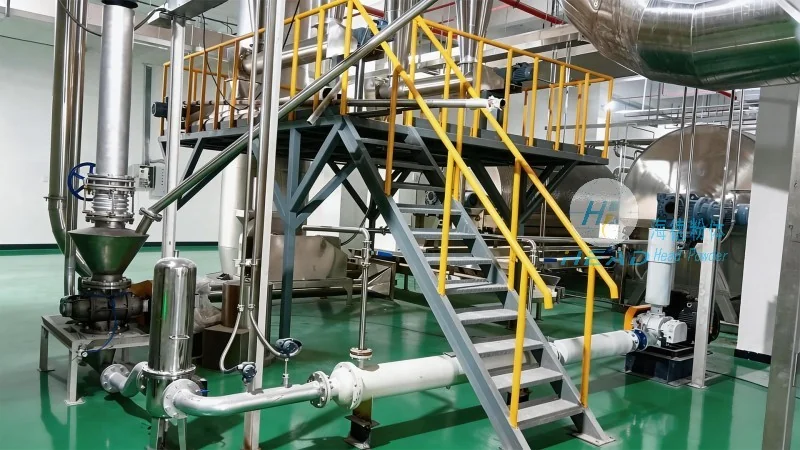
Key Design Principles for an Efficient Edible Salt Powder Conveying Line
The design of an edible salt powder conveying line is guided by several fundamental principles to ensure optimal performance. First, the system must preserve the integrity of the salt particles, preventing breakage or agglomeration during transport. This often involves using gentle handling mechanisms, such as screw conveyors or low-velocity pneumatic systems, to minimize stress on the granules. Second, the design must address dust generation, as fine salt particles can create airborne dust that poses health and safety risks. Enclosed conveying paths and effective dust collection systems are integral to the design to maintain a clean working environment. Third, the system must be hygienic and easy to clean, adhering to food industry standards like GMP (Good Manufacturing Practice). This includes smooth, non-porous surfaces, easy-to-remove components, and effective cleaning protocols to prevent cross-contamination.
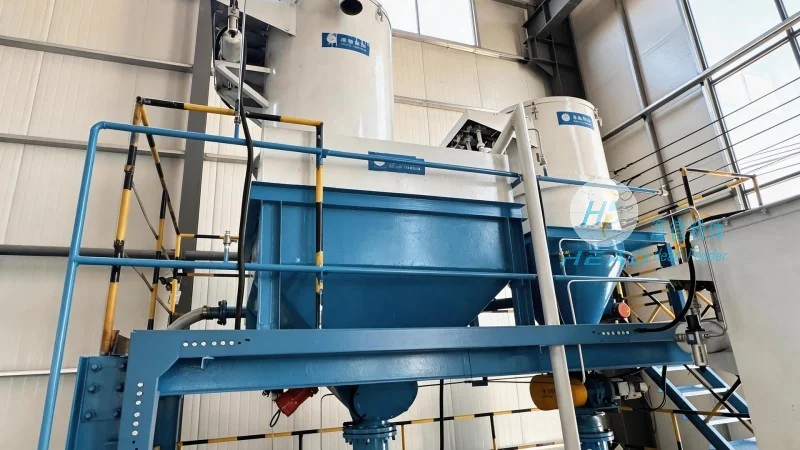
Components and Their Roles in the Conveying Process
A typical edible salt powder conveying line consists of several key components, each playing a crucial role in the overall operation. The primary components include a hopper or silo for storing the salt, a feeder to control the flow rate, a conveyor (either mechanical or pneumatic), a dust collection system, and a discharge mechanism. The hopper is designed to store large quantities of salt while allowing for uniform discharge. The feeder, often a rotary valve or a screw feeder, regulates the amount of salt entering the conveyor, ensuring a consistent flow. The conveyor itself is the heart of the system, responsible for moving the salt from the feeder to the discharge point. Mechanical conveyors, like screw or belt conveyors, use mechanical force to move the salt, while pneumatic conveyors use air pressure to transport the particles. The dust collection system captures any airborne salt particles, preventing contamination and ensuring a safe working environment. Finally, the discharge mechanism delivers the salt to the next stage of processing or packaging.
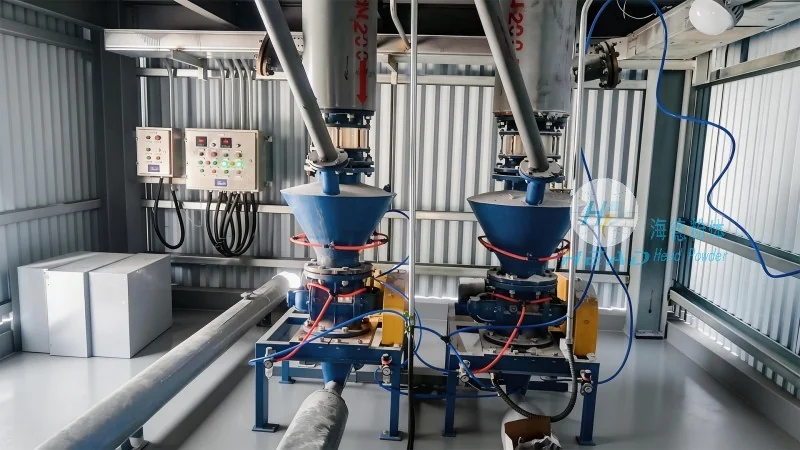
The Role of HeadPowder in Designing and Manufacturing Such Systems
Shandong HeadPowder Engineering Co., Ltd., commonly known as HeadPowder, is a leading manufacturer specializing in the design and production of powder handling systems, including those for edible salt. With a strong focus on engineering excellence and adherence to industry standards, HeadPowder has developed expertise in creating customized conveying lines that meet the specific needs of food processing facilities. The company's approach involves a thorough understanding of the client's requirements, including the type of salt being handled, the production volume, and the desired level of hygiene. HeadPowder's engineers work closely with clients to design systems that optimize efficiency, reduce downtime, and ensure product quality. The company uses advanced materials and manufacturing techniques to produce components that are durable, corrosion-resistant, and easy to maintain. For example, stainless steel is commonly used for parts that come into contact with the salt, ensuring that the product remains free from metal contamination. HeadPowder also provides comprehensive after-sales support, including installation, training, and maintenance services, to ensure that the conveying line operates at peak performance throughout its lifecycle.
Addressing Specific Challenges in Edible Salt Handling
Handling edible salt presents unique challenges that must be addressed in the design of a conveying line. One of the main challenges is the potential for the salt to become static-charged, which can cause it to stick to surfaces or create dust clouds. To mitigate this, anti-static materials and grounding systems are incorporated into the design. Another challenge is the salt's tendency to agglomerate, especially when it is damp or contains moisture. This can lead to blockages in the conveyor system. To prevent this, the system may include drying or dehumidification components, as well as vibration or agitation mechanisms to keep the salt in a free-flowing state. Additionally, the system must be designed to handle variations in salt quality, such as different granule sizes or moisture levels, without compromising performance. HeadPowder's expertise in customizing systems allows them to address these challenges effectively, ensuring that the conveying line can adapt to the specific characteristics of the edible salt being processed.




