What is a Chloroprene Rubber Powder Conveyor? And What Are Its Design Principles?
Release time:2026-09-14 18:04:40
name of the company:Shandong Headpowder Engineering Co., Ltd.
telephone:156-6277-7102
contacts:Zhang manager
Chloroprene rubber, also known as neoprene, is a synthetic polymer widely used in industrial applications due to its excellent resistance to chemicals, ozone, and weathering. When this material is processed as a powder, specialized equipment is required to handle and transport it efficiently. This article explores the concept of a chloroprene rubber powder conveyor and delves into the fundamental design principles that enable its operation.
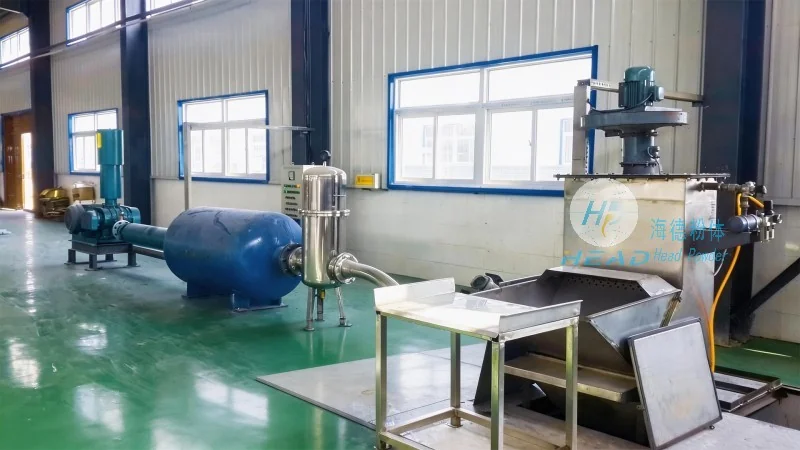
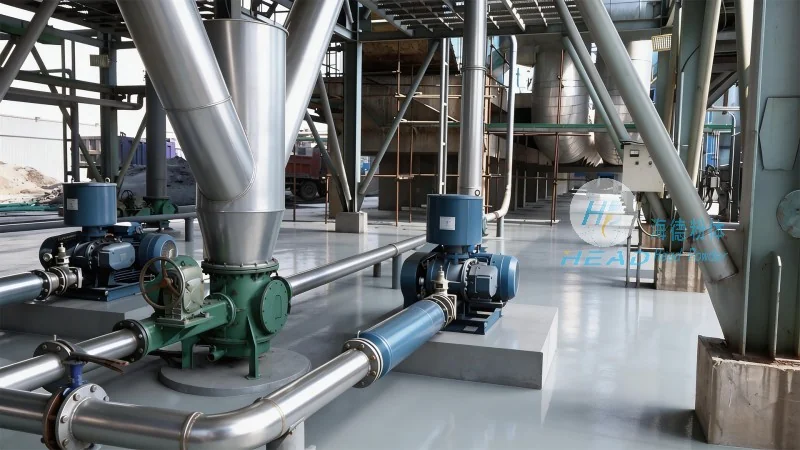
The Core Design Principles of Chloroprene Rubber Powder Conveyors
The design of a chloroprene rubber powder conveyor is built upon several key principles to ensure optimal performance. First, the material of construction is critical. Components such as the hopper, conveyor belt, and housing are typically made from corrosion-resistant materials like stainless steel or specialized polymers to prevent degradation from the rubber powder. Second, the system must incorporate effective sealing mechanisms to minimize dust emissions and prevent contamination from external sources. Third, the conveyor's drive system is engineered to provide consistent tension and speed, ensuring the material moves smoothly without clogging or slipping. Additionally, the design often includes features like adjustable feed hoppers and variable speed controls to accommodate different production rates and material characteristics.
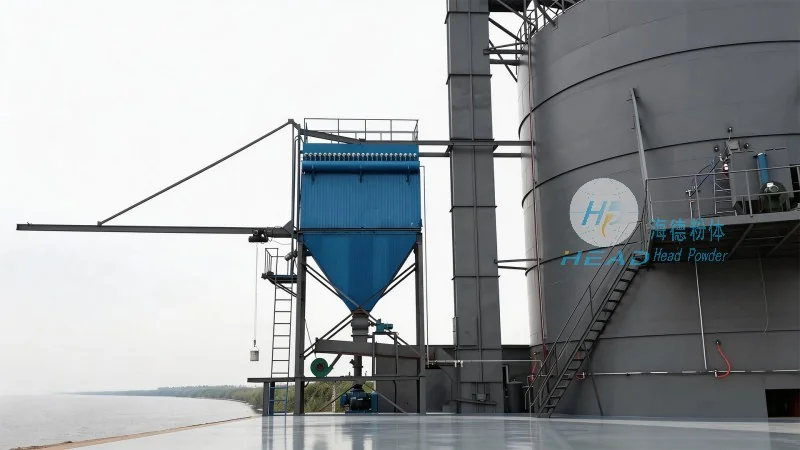
About Shandong HeadPowder Engineering Co., Ltd.
HeadPowder, a leading manufacturer in the field, specializes in the design and production of high-quality powder handling equipment. With a focus on innovation and durability, the company has established itself as a trusted partner for industries relying on chloroprene rubber and other fine powders. HeadPowder's facilities are located in Shandong, China, where advanced manufacturing techniques and stringent quality control processes are employed to deliver reliable and efficient conveyor systems. The company's commitment to customer satisfaction and product excellence has made it a preferred choice for businesses seeking dependable powder handling solutions.
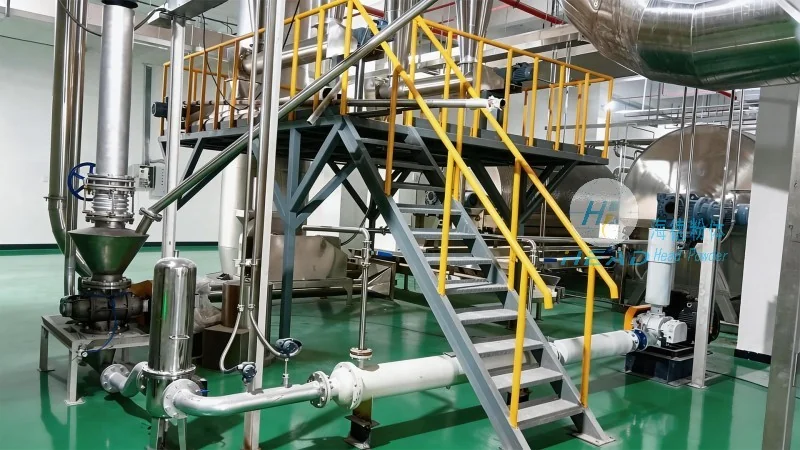
Key Advantages and Applications
Chloroprene rubber powder conveyors offer several advantages that make them indispensable in industrial settings. Their ability to handle abrasive and corrosive materials without degradation ensures long-term operational efficiency. The sealed design minimizes environmental impact by reducing dust emissions, which is crucial for maintaining workplace safety and compliance with environmental regulations. Furthermore, the adjustable and controllable features allow for seamless integration into existing production lines, enhancing overall productivity. Industries such as rubber manufacturing, automotive parts production, and chemical processing benefit significantly from these conveyors, as they enable the precise and safe handling of chloroprene rubber powder throughout the production process.




