Coal powder material handling refers to the process of transporting, storing, and managing coal powder in industrial settings. This crucial operation is integral to power generation, cement production, and other sectors where coal is a primary energy source or raw material. The efficiency and safety of coal powder handling systems directly impact operational costs, environmental compliance, and overall plant performance. Understanding the fundamentals of these systems, including their design principles, is essential for engineers, facility managers, and industry professionals.
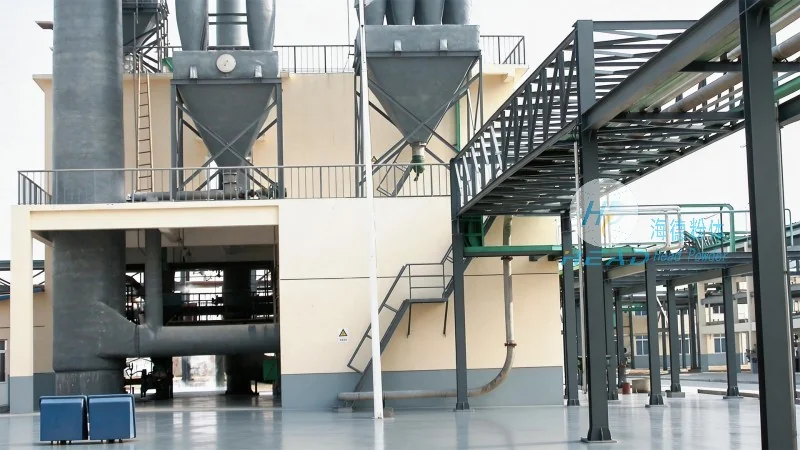
About HeadPowder: Your Trusted Partner in Coal Handling Solutions
At Shandong HeadPowder Engineering Co., Ltd., we specialize in providing advanced coal powder handling technologies and comprehensive engineering services. With a strong presence in China, our company, often referred to as HeadPowder, has built a reputation for delivering reliable, efficient, and safe solutions tailored to the unique needs of our clients. Our headquarters is located in Shandong, China, where we leverage local expertise and resources to support projects across the region and beyond.
The Core Design Principles of Coal Powder Handling Systems
The design of coal powder handling systems follows several key principles aimed at optimizing performance, ensuring safety, and minimizing operational risks. These principles include: system integration, which ensures all components work in harmony; material flow optimization, to maintain consistent and efficient transport; airtightness and dust control, critical for preventing dust emissions and protecting personnel; and robustness and durability, to withstand the harsh conditions of coal handling environments. Each principle is carefully considered during the engineering phase to create a system that meets both functional and regulatory requirements.
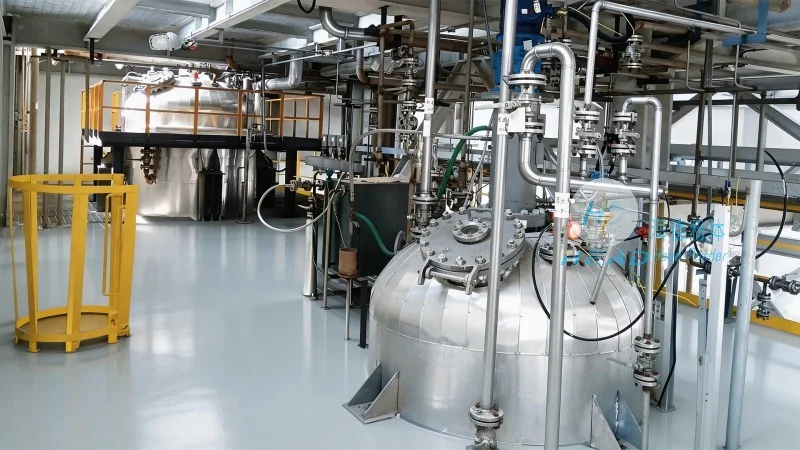
Key Components and Technologies in Coal Powder Handling
Modern coal powder handling systems typically consist of several interconnected components, each playing a vital role in the overall operation. These include: coal feeders for controlled material input; conveyors (such as belt or pneumatic systems) for transporting coal powder; storage silos for bulk storage; dust collectors to capture and filter airborne particles; and control systems for monitoring and regulating the process. Advanced technologies, such as sensors and automation, are increasingly integrated to enhance system responsiveness and reduce human error. The selection of these components depends on factors like the type of coal, handling capacity, and specific application requirements.
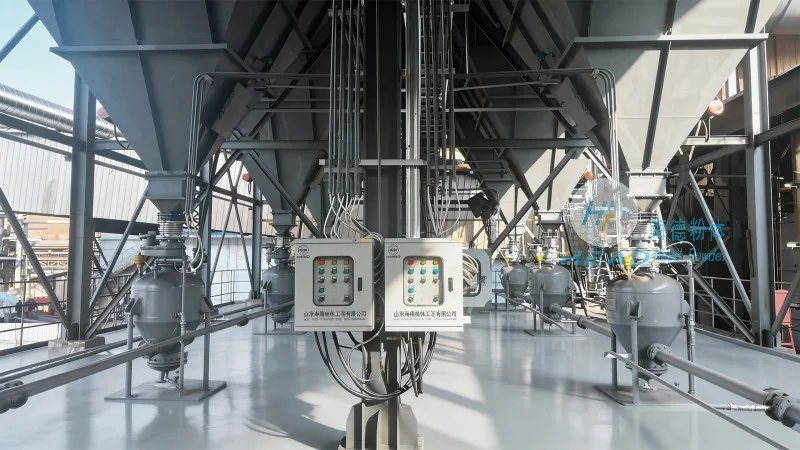
Design Considerations for Safe and Efficient Coal Powder Handling
Designing a coal powder handling system requires a thorough understanding of both the material properties and the operational environment. Coal powder is known for its fine particles, which can create challenges related to dust generation, static electricity, and material flow. Engineers must address these challenges through careful material selection, proper equipment design, and adherence to safety standards. For example, using conductive materials and implementing grounding systems can mitigate static electricity risks, while aeration and vibration mechanisms can improve material flow in silos. Additionally, the system must be designed to comply with local environmental regulations, ensuring that dust emissions are minimized and controlled. These considerations are critical to the long-term success and sustainability of the operation.
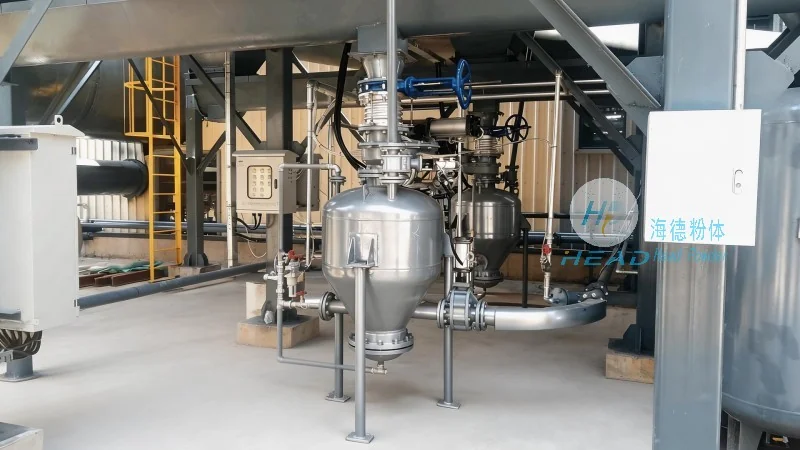
Applications of Coal Powder Handling Systems
Coal powder handling systems are widely used in various industrial applications, with the most common being in thermal power plants and cement factories. In power plants, coal is converted into energy through combustion, and efficient handling ensures a steady supply of fuel. In cement production, coal is used as a fuel to heat kilns, and the handling system must be capable of delivering coal to the kiln at the right rate and consistency. Other applications include industrial boilers, chemical plants, and material processing facilities. Regardless of the application, the goal remains the same: to provide a reliable and efficient means of transporting coal powder while maintaining safety and environmental standards.
Conclusion: The Importance of Expert Design in Coal Powder Handling
Coal powder material handling is a complex but essential process in many industrial sectors. The design principles and technologies used in these systems directly impact operational efficiency, safety, and environmental performance. Companies like Shandong HeadPowder Engineering Co., Ltd. play a crucial role in developing and implementing these systems, leveraging expertise and advanced engineering to meet the evolving needs of the industry. By prioritizing system integration, material flow optimization, and safety, coal powder handling systems can deliver long-term benefits to businesses and contribute to sustainable industrial practices.




