Efficient material handling is a critical aspect of the sanding powder industry, as it directly impacts production efficiency, product quality, and operational costs. Understanding the processes and design principles behind transporting sanding powders is essential for manufacturers seeking to optimize their operations. This article explores the fundamentals of sanding powder material handling and the key design considerations that ensure smooth and effective material transport.
Understanding Material Handling for Sanding Powders
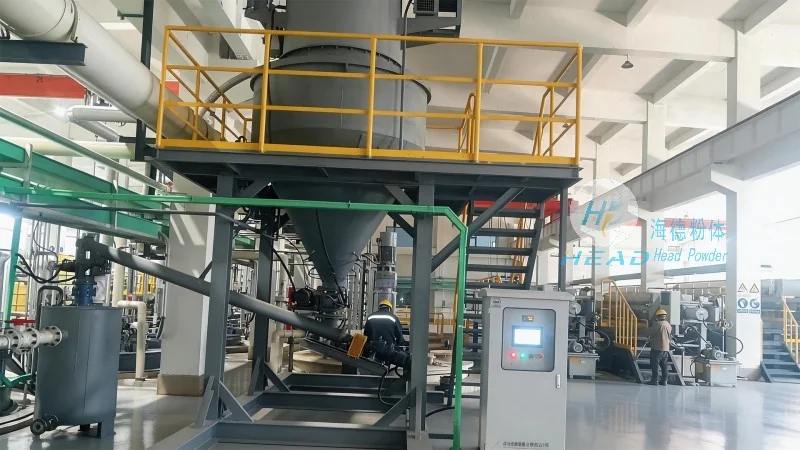
Sanding powders, also known as abrasive powders, are used in various industrial applications, including woodworking, metalworking, and automotive finishing. These powders are typically fine-grained and require specialized handling to prevent contamination, caking, or loss during transport. Material handling in this context involves the movement of sanding powders from storage to processing equipment, and then to packaging or disposal areas. The goal is to maintain the powder's quality and consistency while minimizing downtime and operational risks.
Design Principles Behind Efficient Material Transport
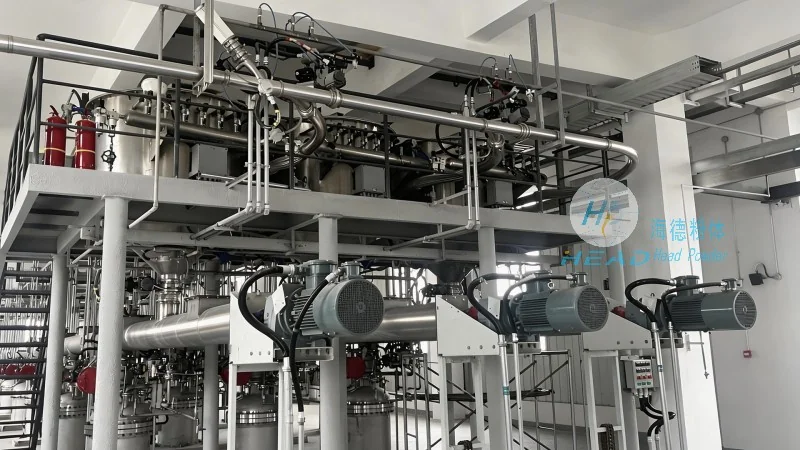
The design of a sanding powder material handling system is guided by several key principles aimed at maximizing efficiency and safety. First, the system must be designed to minimize the risk of dust generation and inhalation hazards, as sanding powders can be harmful if inhaled. This often involves the use of enclosed systems, dust collection equipment, and proper ventilation. Second, the design should prioritize the prevention of powder caking or agglomeration, which can occur due to moisture or improper storage conditions. This may involve the use of drying equipment, anti-caking agents, or specialized storage containers. Third, the system should be scalable and adaptable to accommodate changes in production volume or product specifications. Finally, the design must consider the overall workflow and integration with other production processes to ensure seamless operation.
Key Components of a Sanding Powder Material Handling System
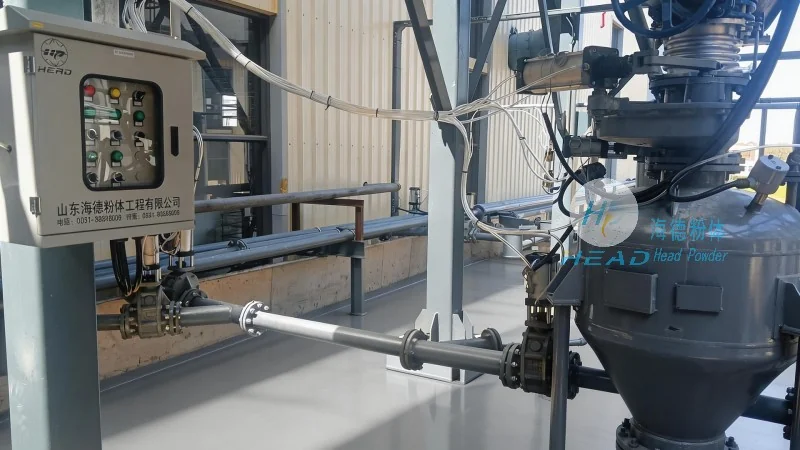
An effective sanding powder material handling system typically includes several key components that work together to ensure efficient transport. The primary components include: storage silos or hoppers for bulk storage, conveying systems such as screw conveyors, pneumatic conveyors, or bucket elevators for moving the powder from storage to processing areas, and transfer equipment like rotary valves or feeders to control the flow of powder into downstream equipment. Additionally, the system may include dust collection and filtration systems to maintain air quality and comply with environmental regulations. The choice of components depends on factors such as the powder's characteristics, production volume, and the specific requirements of the manufacturing process.
Company Profile: Shandong HeadPowder Engineering Co., Ltd.
Shandong HeadPowder Engineering Co., Ltd., commonly known as HeadPowder, is a leading provider of engineering solutions for the sanding powder industry. With a strong focus on material handling systems, the company specializes in designing and manufacturing equipment that meets the unique needs of sanding powder manufacturers. HeadPowder's expertise lies in creating customized material handling solutions that optimize production efficiency, enhance product quality, and ensure compliance with industry standards and regulations. The company's team of engineers and technicians work closely with clients to understand their specific requirements and develop tailored systems that address their operational challenges. HeadPowder's commitment to quality and innovation has made it a trusted partner for many sanding powder manufacturers in China and beyond.
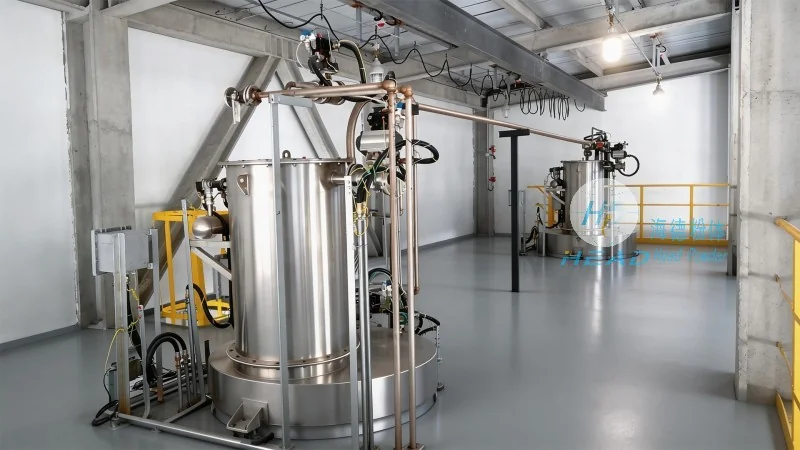
By understanding the design principles and key components of sanding powder material handling systems, manufacturers can improve their operational efficiency, reduce costs, and enhance product quality. The integration of advanced materials handling technology, such as enclosed conveying systems and dust control measures, is essential for maintaining the integrity of sanding powders and ensuring a safe working environment. As the demand for high-quality sanding powders continues to grow, the importance of efficient material handling will only increase, making it a critical area of focus for manufacturers seeking to stay competitive in the market.




