For industrial applications that involve the transportation and handling of magnesium oxide powder, understanding the appropriate material handling systems is crucial. This article explores the key aspects of magnesium oxide powder material handling, including the design principles that ensure efficient and safe operation.
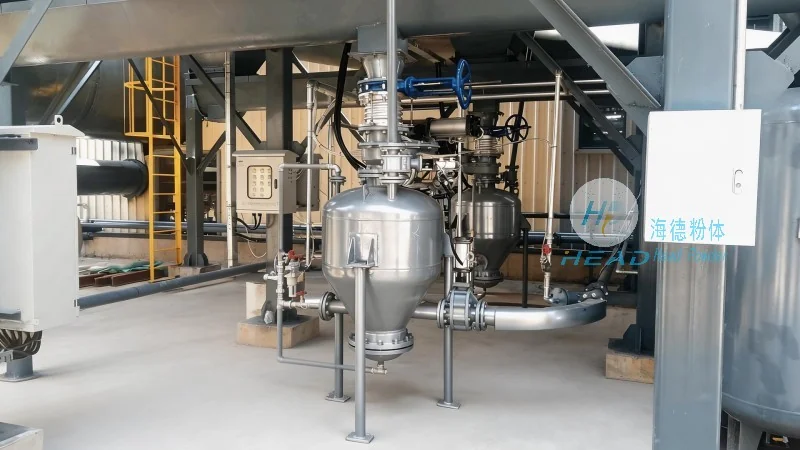
HeadPowder: A Specialist in Magnesium Oxide Powder Handling Solutions
HeadPowder, a leading provider of specialized material handling solutions, specializes in designing systems tailored to the unique properties of magnesium oxide powder. With years of experience in the industry, the company has developed comprehensive approaches to address the challenges associated with handling this material effectively. The company's headquarters are located in Shandong, China, where it leverages local expertise and resources to deliver high-quality, customized solutions to clients worldwide.
Understanding the Material: Key Characteristics of Magnesium Oxide Powder
The design of a magnesium oxide powder material handling system begins with a thorough analysis of the material's characteristics. Magnesium oxide, also known as magnesia, is a fine, dry powder with specific properties such as its particle size distribution, flowability, and potential for dust generation. These characteristics directly influence the selection of equipment and the overall system layout. For instance, the powder's fine particle size may require specialized equipment to prevent clogging and ensure smooth flow, while its tendency to generate dust necessitates effective dust control measures. The flowability of magnesium oxide powder is also a critical factor; it may vary depending on moisture content and particle size, affecting how the material moves through the system.
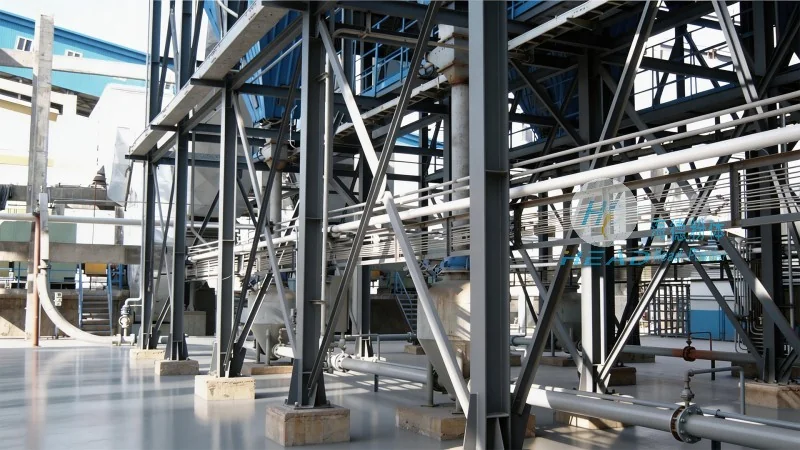
Design Principles for Efficient Material Handling Systems
A typical magnesium oxide powder material handling system includes several key components. These may include feeders, conveyors, storage silos, and dust collection systems. The feeders are responsible for accurately controlling the flow rate of the powder from the storage silo to the conveyor system. Different types of feeders, such as rotary valves or screw feeders, are used depending on the material's flowability and the required flow rate. Conveyors, often in the form of pneumatic or mechanical systems, transport the powder from one location to another. Pneumatic conveyors, which use air pressure to move the powder, are particularly suitable for fine powders like magnesium oxide due to their ability to handle dust and prevent material degradation. Mechanical conveyors, including belt or chain conveyors, may be used for bulk handling applications where the powder is less fine and has better flow characteristics.
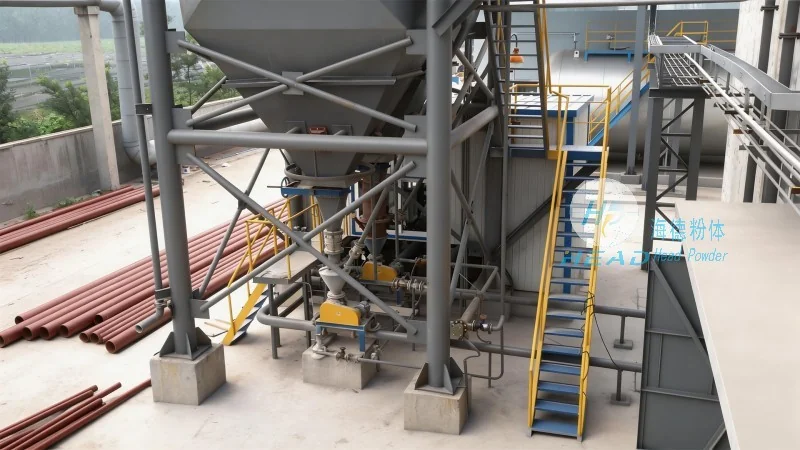
Critical Design Considerations in Magnesium Oxide Powder Handling
Design principles for magnesium oxide powder material handling systems emphasize several critical factors. First, the system must ensure minimal material degradation and contamination. This is achieved through the use of materials that are compatible with magnesium oxide, such as stainless steel or special coatings, to prevent chemical reactions or particle breakdown. Second, dust control is a major consideration due to the fine nature of the powder. Effective dust collection systems, including baghouses or cartridge filters, are integrated into the design to capture and remove airborne particles, ensuring a safe working environment and compliance with environmental regulations. Third, the system must be designed for easy maintenance and cleaning. The use of smooth surfaces and easy-to-access components helps in preventing material buildup and reducing downtime. Finally, energy efficiency is a key factor in modern material handling systems. Optimizing the conveyor speed, using energy-efficient motors, and minimizing air pressure requirements contribute to lower operational costs and reduced environmental impact.
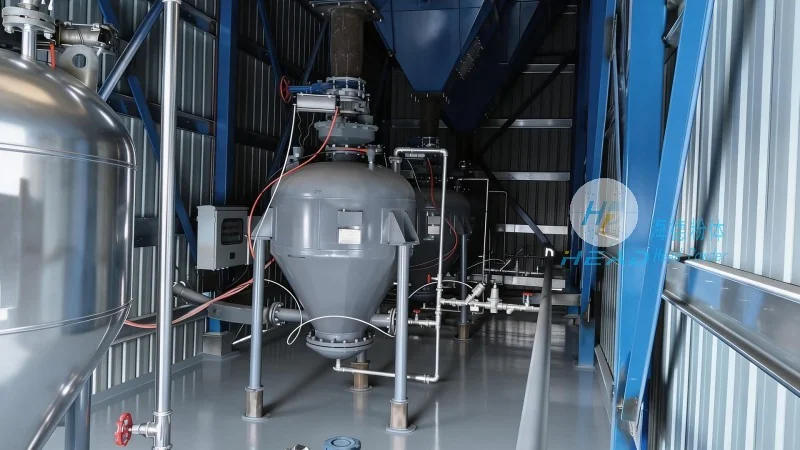
Customization and Application-Specific Solutions by HeadPowder
HeadPowder's expertise lies in customizing material handling systems to meet the specific needs of clients. By considering factors such as the scale of operation, the required flow rate, and the environmental constraints, the company designs systems that are both efficient and reliable. For example, a client in the construction industry may require a system that can handle large volumes of magnesium oxide powder for concrete production, while a pharmaceutical client may need a system with stricter contamination control measures. In both cases, HeadPowder's approach ensures that the material handling system is tailored to the unique requirements of the application, maximizing productivity and minimizing operational risks. The company's team of engineers works closely with clients to understand their operational needs and provide solutions that enhance performance and safety.
Conclusion: Ensuring Safe and Efficient Handling of Magnesium Oxide Powder
In conclusion, the design of a magnesium oxide powder material handling system requires a deep understanding of the material's properties and the integration of appropriate equipment and control measures. By adhering to the principles of material compatibility, dust control, and energy efficiency, industrial facilities can achieve safe and efficient handling of magnesium oxide powder. HeadPowder, with its commitment to quality and innovation, continues to provide advanced material handling solutions that meet the evolving needs of the industry, ensuring that clients can operate their facilities with confidence and efficiency.




