When it comes to the efficient and reliable transportation of silica fume, selecting the right conveying method is crucial for industrial operations. Silica fume, also known as fumed silica, is a fine powder with high surface area and unique properties, making its handling and transport require specialized equipment and techniques. This article provides a detailed comparison of common silica fume conveying methods, examining their advantages and disadvantages to help industrial users make informed decisions.
Overview of Silica Fume and Conveying Challenges
Silica fume is a byproduct of the production of silicon metal or ferrosilicon alloys, consisting of ultrafine particles with a typical particle size ranging from 0.01 to 0.1 micrometers. Due to its extremely fine nature, silica fume poses unique challenges during transportation, including high dust generation, potential for caking, and the need for low-pressure or vacuum systems to prevent particle loss and ensure safety. The choice of conveying method depends on factors such as the material's properties, the distance of transport, the required flow rate, and the available infrastructure.
1. Pneumatic Conveying Systems: Advantages and Disadvantages
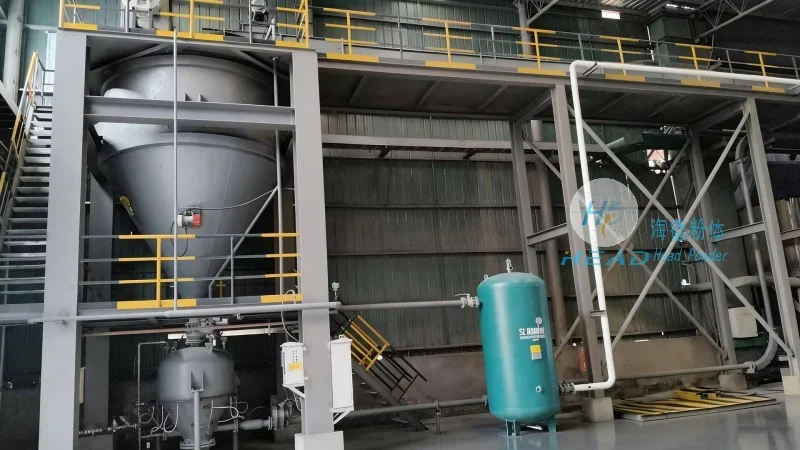
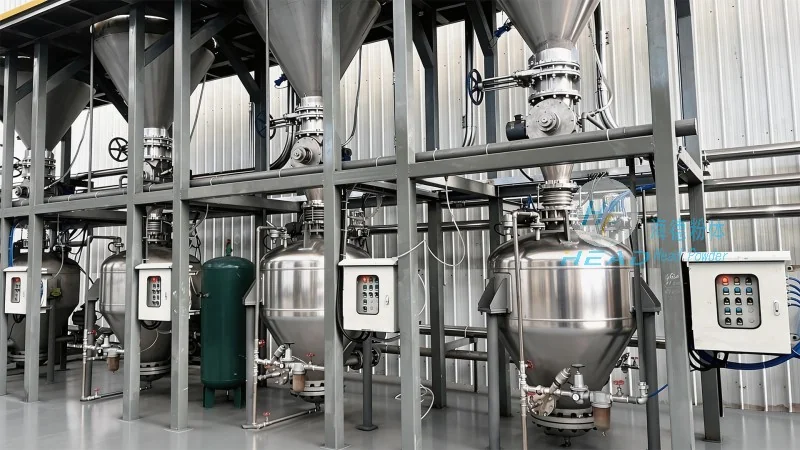
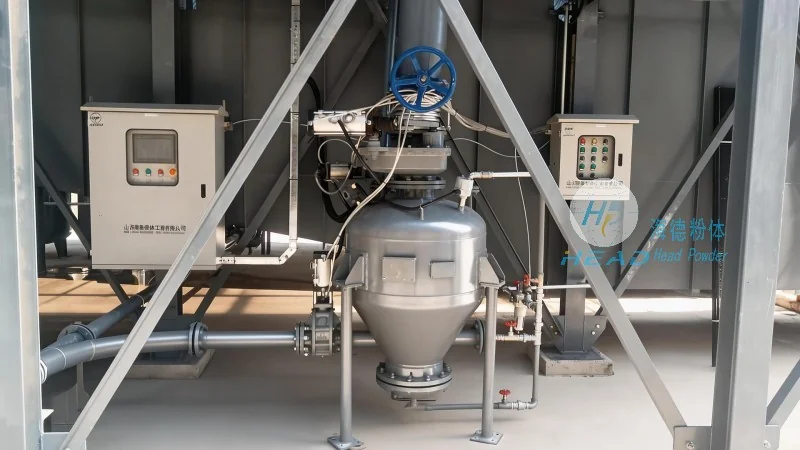
Pneumatic conveying, or air-assisted transport, is one of the most widely used methods for silica fume handling. This technique involves transporting the material using a stream of air under pressure or vacuum. There are two main types: pressure and vacuum systems. Pressure systems use positive pressure to push the material through a pipeline, while vacuum systems use negative pressure to draw the material into the system. The primary advantage of pneumatic conveying is its ability to handle fine powders without the need for mechanical components that might cause clogging or wear. It also allows for long-distance transport and can be integrated with other processing equipment, such as mixers or storage silos. However, pneumatic systems have several drawbacks. They require significant energy input to generate the air flow, leading to higher operational costs. Additionally, the high velocity of air can cause particle attrition, reducing the material's quality over time. Moreover, the system's design must be carefully optimized to prevent pressure drops and ensure consistent flow, as silica fume's fine particles are prone to settling and clogging in the pipeline. Maintenance costs are also a consideration, as filters and air compressors need regular cleaning and replacement.
2. Mechanical Conveying Systems: Advantages and Disadvantages
Mechanical conveying methods, such as screw conveyors, belt conveyors, and bucket elevators, are traditional options for transporting bulk materials, including silica fume. These systems rely on mechanical components to move the material through a system. Screw conveyors use a rotating screw to push the material forward, while belt conveyors use a moving belt to transport the material. Bucket elevators lift the material vertically using buckets attached to a chain or belt. The main advantage of mechanical conveying is its relatively low energy consumption compared to pneumatic systems, as it does not require air compression. It is also more cost-effective for short-distance transport and can handle larger particle sizes with less risk of clogging. However, mechanical systems have significant disadvantages when dealing with ultrafine silica fume. The fine particles can easily accumulate on the conveyor surfaces, leading to clogging and reduced efficiency. The mechanical components, such as screws and belts, are prone to wear and tear due to the abrasive nature of silica fume, requiring frequent maintenance and replacement. Additionally, the system's design must account for the material's tendency to settle and form clumps, which can cause operational issues and downtime. Mechanical conveying is generally less suitable for long-distance transport or when the material needs to be handled in a dust-free environment.
3. Hybrid Conveying Systems: Combining Pneumatic and Mechanical Methods
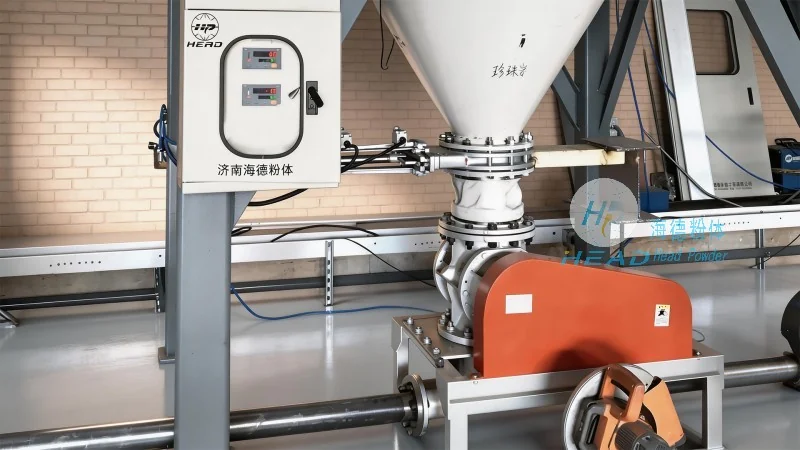
Hybrid conveying systems, which combine elements of both pneumatic and mechanical methods, offer a compromise between the advantages and disadvantages of each approach. For example, a system might use a mechanical conveyor to transport silica fume from a storage silo to a pneumatic feeder, or a pneumatic system to deliver the material to a mechanical mixer. This approach allows for the benefits of both methods, such as efficient long-distance transport via pneumatic systems and low energy consumption for short-distance handling via mechanical components. Hybrid systems are particularly useful in complex industrial setups where multiple processing steps are involved. However, they also introduce additional complexity and cost, as both pneumatic and mechanical components must be integrated and maintained. The design of a hybrid system requires careful consideration of the material's properties and the operational requirements to ensure optimal performance and minimize downtime.
4. Factors Influencing the Choice of Conveying Method
The selection of the most suitable conveying method for silica fume depends on several key factors. First, the distance of transport is a critical consideration. For short distances, mechanical conveying may be sufficient, while pneumatic systems are better suited for long-distance transport. Second, the required flow rate and material consistency also play a role. High flow rates may necessitate larger-diameter pipelines or more powerful air compressors in pneumatic systems, while mechanical systems may need larger screws or belts to handle increased volumes. Third, the need for a dust-free environment is another factor. Pneumatic systems can be equipped with filters and dust collection systems to minimize emissions, making them suitable for applications where air quality is a concern. Mechanical systems, on the other hand, may require additional dust suppression measures, such as enclosures or water sprays, to control dust generation. Finally, the cost of installation and maintenance is a significant factor. Pneumatic systems have higher initial costs due to the need for air compressors and filters, but lower operational costs for short distances. Mechanical systems have lower initial costs but higher maintenance costs due to the wear and tear of components.
Conclusion: Choosing the Right Conveying Method for Silica Fume
In conclusion, the choice of silica fume conveying method depends on a combination of factors, including the distance of transport, required flow rate, need for a dust-free environment, and cost considerations. Pneumatic conveying offers advantages in long-distance transport and handling fine powders, but at the expense of higher energy costs and maintenance. Mechanical conveying is more energy-efficient and cost-effective for short distances but is less suitable for ultrafine materials and may require more maintenance. Hybrid systems provide a compromise but add complexity and cost. Industrial users should carefully evaluate their specific requirements and consult with experts, such as Shandong HeadPowder Engineering Co., Ltd., a leading manufacturer based in China, to select the most appropriate conveying method for their operations. By choosing the right system, companies can ensure efficient, reliable, and safe transportation of silica fume, optimizing their production processes and minimizing operational costs.




