Large-scale material handling equipment is a critical component of modern industrial operations, facilitating the efficient movement, storage, and management of bulk materials across various sectors. These systems are essential for optimizing workflow, reducing operational costs, and enhancing overall productivity in manufacturing, logistics, and construction industries. Understanding the types of equipment and their underlying design principles is fundamental for businesses aiming to implement effective material handling solutions that meet their specific operational needs.
Understanding the Role of Large-Scale Material Handling Equipment
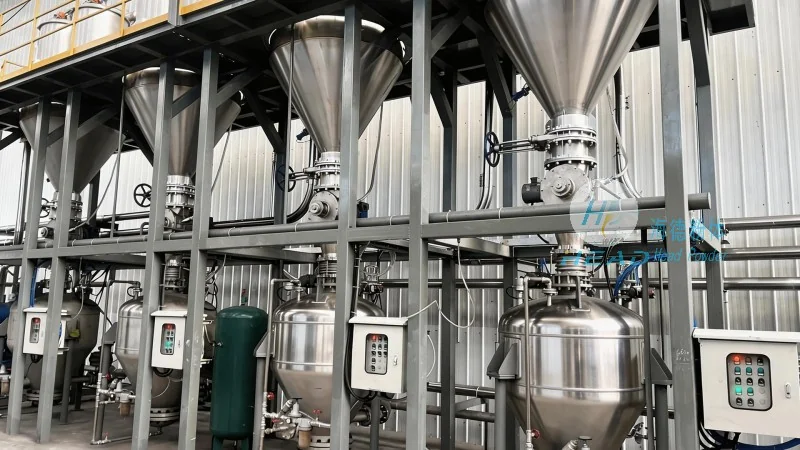
Large-scale material handling equipment encompasses a diverse range of machinery and systems designed to transport, store, and manage materials in bulk. Common examples include conveyor belts, overhead cranes, automated storage and retrieval systems (AS/RS), and bulk material handling systems. These systems are engineered to handle large volumes of materials, such as raw materials, finished products, or waste, and are often integrated into larger production or logistics networks. The primary functions of these equipment include material transfer between different stages of production, storage and retrieval from warehouses or silos, and the safe and efficient movement of heavy or bulky items. By automating material handling processes, businesses can reduce manual labor, minimize errors, and improve the speed and accuracy of operations.
Key Design Principles for Efficient Material Handling
The design of large-scale material handling equipment is guided by several critical principles to ensure optimal performance, safety, and cost-effectiveness. First, the principle of efficiency focuses on minimizing energy consumption and maximizing throughput. Engineers design systems with high-capacity components, such as wide conveyor belts or high-speed hoists, to handle large volumes of material in a short time. Second, the principle of safety is paramount, as these systems often operate with heavy loads and at high speeds. Designers incorporate features like load sensors, emergency stop mechanisms, and protective enclosures to prevent accidents and ensure operator safety. Third, the principle of adaptability allows equipment to be customized for specific applications, such as handling different material types (e.g., powders, liquids, or solids) or operating in diverse environments (e.g., indoor warehouses or outdoor construction sites). This adaptability is achieved through modular components and adjustable settings, enabling businesses to scale their operations as needed.
Components and Technologies in Large-Scale Material Handling Systems
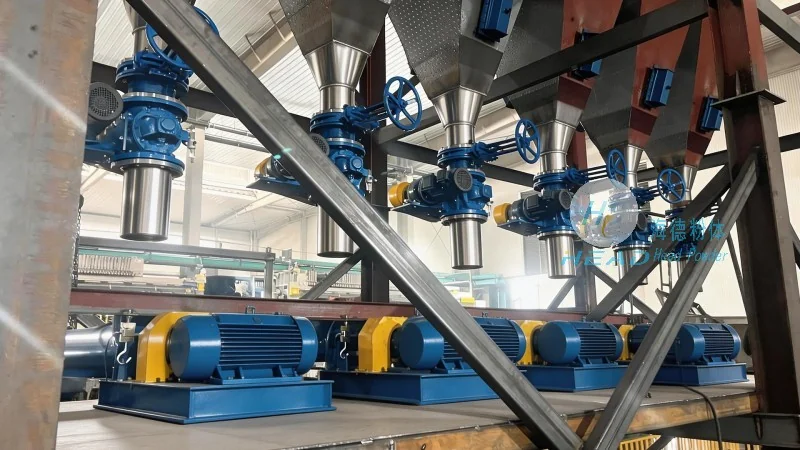
Large-scale material handling systems typically consist of several interconnected components, each contributing to the overall functionality. The core components include conveyors, hoists, storage units, and control systems. Conveyors, such as belt or chain conveyors, are used to transport materials horizontally or at an incline, while overhead cranes and hoists facilitate vertical movement. Automated storage and retrieval systems (AS/RS) integrate storage racks with robotic arms or automated guided vehicles (AGVs) to retrieve and store materials efficiently. Control systems, often based on programmable logic controllers (PLCs) or industrial computers, manage the operation of these components, ensuring synchronized movement and real-time monitoring of the system's performance. Advanced technologies, such as sensors, cameras, and artificial intelligence (AI), are increasingly integrated to enhance system intelligence, enabling predictive maintenance, real-time optimization, and improved decision-making.
Applications of Large-Scale Material Handling Equipment
Large-scale material handling equipment is widely used across various industries, each with unique requirements. In manufacturing, these systems are critical for moving raw materials to production lines and transporting finished products to storage or shipping areas. In logistics and warehousing, they enable the efficient sorting, packing, and dispatch of goods, reducing handling time and errors. In construction, bulk material handling systems are used to transport sand, gravel, and other building materials to job sites, improving site productivity and safety. Additionally, in mining and agriculture, these equipment are employed to handle raw materials like ore or grain, supporting large-scale extraction and processing operations. The versatility of large-scale material handling equipment makes them indispensable in modern industrial settings, where the need for efficient material management is paramount.
Choosing the Right Large-Scale Material Handling Solution
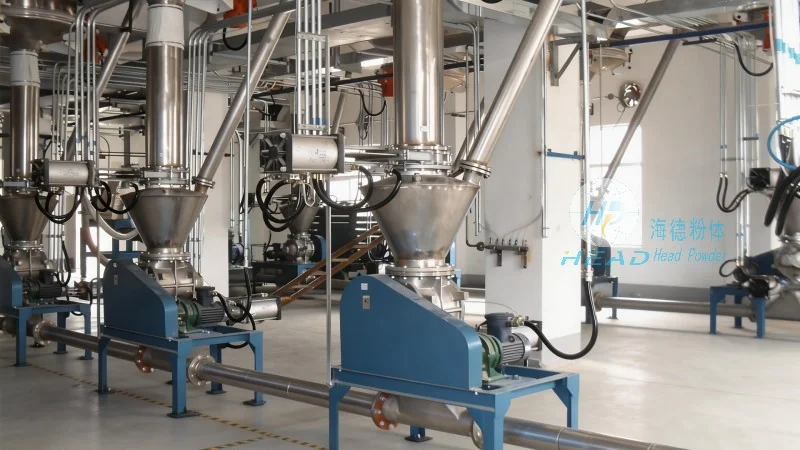
When selecting large-scale material handling equipment, businesses must consider several factors to ensure the chosen system meets their operational needs. First, the type and volume of materials to be handled are critical. For example, a system designed for handling powders may require different components than one for handling heavy machinery parts. Second, the operational environment, including space constraints, temperature, and humidity, must be evaluated. Outdoor systems may need weather-resistant components, while indoor systems may prioritize noise reduction and energy efficiency. Third, the budget and long-term maintenance costs are important considerations. While initial investment may vary, the total cost of ownership, including maintenance and energy consumption, should be assessed to ensure the system is cost-effective over its lifespan. Consulting with experienced manufacturers, such as Shandong HeadPowder Engineering Co., Ltd., can provide valuable insights into the most suitable equipment for specific applications, ensuring optimal performance and reliability.
Conclusion
Large-scale material handling equipment is a cornerstone of modern industrial operations, enabling businesses to streamline material management, enhance productivity, and ensure safety. By understanding the design principles and components of these systems, organizations can make informed decisions when selecting and implementing material handling solutions. As technology advances, the integration of automation and intelligence continues to improve the efficiency and adaptability of these systems, supporting the growth and success of industries worldwide. With a focus on efficiency, safety, and customization, large-scale material handling equipment remains a critical investment for businesses seeking to optimize their operations and stay competitive in today's market.




