When it comes to industrial material handling and processing, the ability to accurately weigh and transport materials is crucial for efficiency and precision. This is where adjustable weighing material handling conveyors come into play, offering a versatile solution for various applications. In this article, we will explore what these systems are and delve into their design principles, highlighting the technology behind them and how they enhance operational performance.
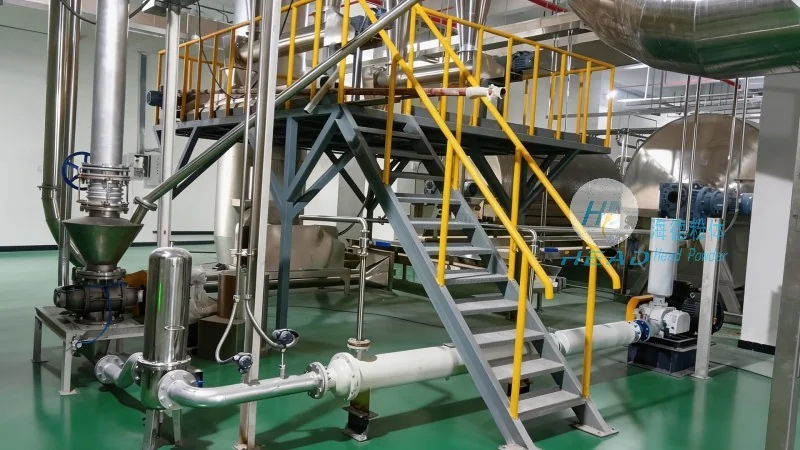
Understanding Adjustable Weighing Material Handling Conveyors
At its core, an adjustable weighing material handling conveyor is a specialized piece of equipment designed to transport bulk materials while simultaneously providing accurate weight measurements. These systems are commonly used in industries such as mining, food processing, pharmaceuticals, and manufacturing, where precise material handling is essential for quality control and process optimization. The primary function of these conveyors is to ensure that materials are moved from one point to another while being weighed, allowing for real-time monitoring and adjustment of the process.
The Design Principles Behind Adjustable Weighing Conveyors
The design of adjustable weighing material handling conveyors is built on several key principles that ensure accuracy, reliability, and adaptability. One of the fundamental aspects is the integration of load cells or load cells with the conveyor structure. Load cells are sensors that convert the weight of the material into an electrical signal, which is then processed to provide a precise weight reading. This integration allows for continuous weighing as materials move along the conveyor, eliminating the need for stop-and-go operations that can disrupt production flow.
Another critical design principle is the adjustable nature of the system. Unlike fixed conveyors, adjustable weighing conveyors can be modified to accommodate different material types, sizes, and flow rates. This adaptability is achieved through features such as variable speed controls, adjustable belt widths, and modular components that can be reconfigured to suit specific operational needs. By being able to adjust the conveyor's parameters, users can optimize the weighing process for different materials, ensuring consistent and accurate results.
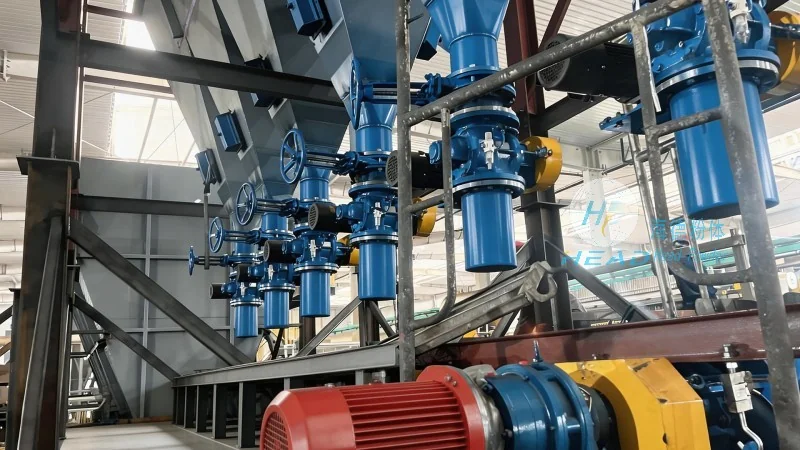
Furthermore, the design incorporates robust construction to withstand the demands of industrial environments. Materials such as stainless steel, aluminum, or heavy-duty plastics are often used for the conveyor structure and components, providing durability and resistance to corrosion, wear, and impact. This robust construction ensures that the equipment can operate reliably in harsh conditions, minimizing downtime and maintenance requirements. Additionally, the design may include features like dust-proof enclosures or protective covers to safeguard the weighing sensors and mechanisms from environmental factors, further enhancing the system's longevity and performance.
Key Components and Their Roles
Adjustable weighing material handling conveyors consist of several key components that work together to achieve their functions. The main components include the conveyor frame, the weighing platform or belt, load cells, a control system, and a display unit. The conveyor frame provides the structural support and stability for the entire system, ensuring that the weighing platform remains level and secure. The weighing platform, typically made of a rigid material like steel or a reinforced plastic, supports the material being transported and transmits the weight to the load cells.
Load cells are the core sensors in the system, converting the force exerted by the material into an electrical signal. These sensors are strategically placed under the weighing platform to capture the weight accurately. The control system processes the signals from the load cells, calculates the weight, and displays the results. This system may also include feedback mechanisms that adjust the conveyor speed or other parameters based on the weight readings, allowing for real-time process control.
The display unit provides operators with clear and easy-to-read weight information, often including features like digital readouts, alarms for weight thresholds, and data logging capabilities. Some advanced systems may also integrate with other equipment or software for automated process control, enhancing overall efficiency. The modular design of these components allows for easy maintenance and replacement, reducing downtime and maintenance costs.
Applications and Benefits
Adjustable weighing material handling conveyors find applications in a wide range of industries due to their versatility and precision. In the mining industry, they are used to transport and weigh ore or minerals, ensuring accurate inventory management and process control. In food processing, these systems are crucial for weighing ingredients, packaging materials, or finished products, meeting regulatory requirements for quality and safety. The pharmaceutical industry also relies on these conveyors for weighing raw materials or finished dosage forms, maintaining strict standards for purity and consistency.
The benefits of using adjustable weighing material handling conveyors extend beyond just accurate weighing. They enhance operational efficiency by allowing continuous material flow, reducing the need for manual weighing or batch processing. This leads to increased productivity and reduced labor costs. Additionally, the ability to adjust the system to different materials and conditions ensures that the equipment can adapt to changing production needs, providing long-term value. The robust construction and reliable performance of these systems also minimize downtime and maintenance expenses, contributing to overall cost savings.
Conclusion
In conclusion, adjustable weighing material handling conveyors are essential equipment for industries that require precise material handling and weighing. Their design principles, which include accurate load cell integration, adjustable parameters, and robust construction, ensure that they can meet the demands of various applications. By understanding the components and benefits of these systems, businesses can make informed decisions about implementing such equipment to enhance their operational efficiency and product quality. As technology continues to advance, these conveyors are likely to become even more sophisticated, offering further improvements in accuracy and adaptability for industrial use.




