Understanding micropowder material handling equipment is crucial for industries that rely on the efficient transport of fine powders. These specialized devices are engineered to handle materials with particle sizes typically ranging from a few microns to a few millimeters, ensuring precise and controlled movement without compromising the integrity of the material. The design principles behind these systems are rooted in the need to address the unique challenges posed by micropowders, such as static electricity, dust explosion risks, and the tendency of fine particles to agglomerate or flow irregularly.
Key Components and Design Considerations
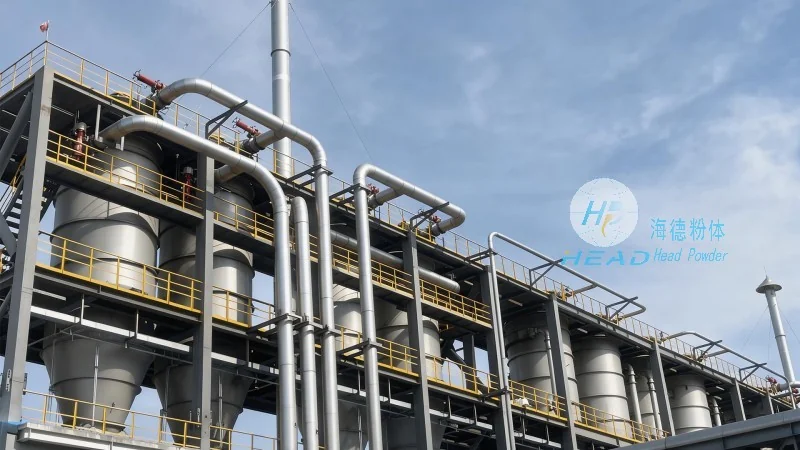
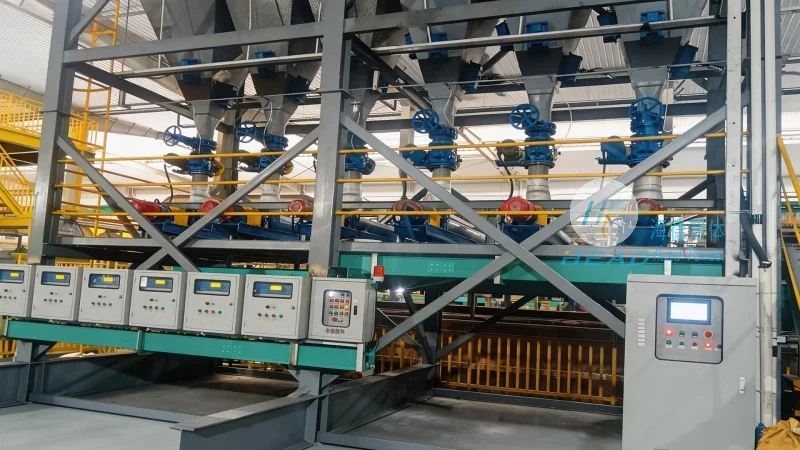
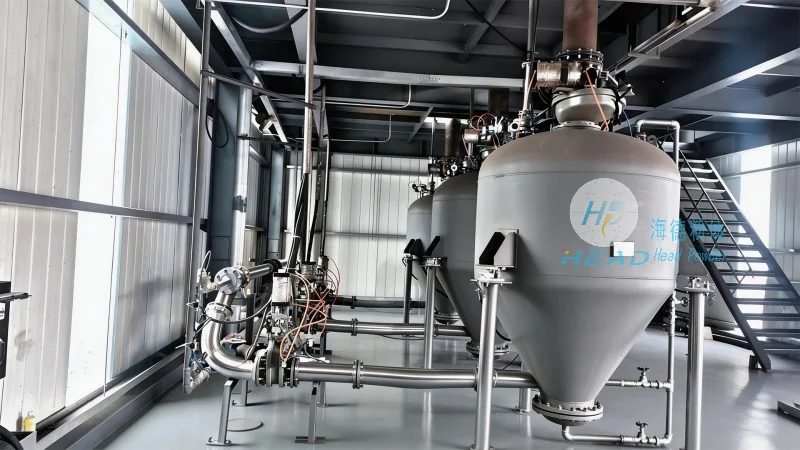
Micropowder material handling equipment often incorporates several critical components to ensure optimal performance. One of the primary elements is a robust feeding system, which may include rotary valves, star feeders, or vibratory feeders, designed to deliver the powder in a controlled manner. The choice of feeding device depends on the material's flowability and the required discharge rate. Additionally, the equipment may feature a sealed housing to prevent dust leakage and protect against environmental contamination. This is particularly important for micropowders, as they can generate significant static charge during handling, making airtight designs essential. The design also considers the material's tendency to form bridging or rat-holing, which can lead to blockages. To mitigate this, many systems include agitators or vibrators that promote uniform flow and prevent material buildup. The conveying mechanism, whether pneumatic (air-assisted) or mechanical (e.g., screw conveyors, belt conveyors), is selected based on the powder's properties and the distance to be covered. Pneumatic systems are often preferred for fine powders due to their ability to handle high volumes and minimize particle degradation, while mechanical systems offer better control over the material's trajectory and temperature.
Applications and Industry Relevance
These equipment solutions are widely used across various sectors, including pharmaceuticals, food processing, chemical manufacturing, and mining. In the pharmaceutical industry, for example, micropowder handling equipment is vital for the precise dosing and transport of active pharmaceutical ingredients (APIs) and excipients, where contamination and particle size control are paramount. The food industry relies on such systems for handling fine powders like sugar, flour, and spices, ensuring consistent quality and preventing cross-contamination. In chemical manufacturing, these devices facilitate the transport of catalysts, pigments, and other fine chemicals, supporting processes that demand high purity and uniformity. The mining sector also benefits from micropowder handling equipment for transporting fine ore powders, which are often used in downstream processing steps like flotation or filtration. The versatility of these systems makes them indispensable in any operation where fine powders need to be moved safely and efficiently.
Company Overview: Shandong HeadPowder Engineering Co., Ltd.
HeadPowder, a leading manufacturer in the field, specializes in the design and production of micropowder material handling equipment. With a strong commitment to innovation and quality, the company has established itself as a trusted partner for industries requiring reliable solutions for fine powder transport. HeadPowder's products are engineered to meet the stringent standards of various applications, ensuring durability, efficiency, and compliance with safety regulations. The company's headquarters is located in Shandong, China, where a team of experienced engineers and technicians work to develop cutting-edge solutions tailored to customer needs. By focusing on the unique challenges of micropowder handling, HeadPowder has become a key player in providing equipment that enhances productivity and ensures the safety of operations. The company's dedication to research and development ensures that its products remain at the forefront of technology, addressing evolving industry demands and improving overall performance.




