Welcome to Shandong HeadPowder Engineering Co., Ltd., a leading provider of industrial conveying solutions. In this article, we will explore the concept of a wood powder material conveying line and delve into the fundamental design principles that underpin its operation. As a company dedicated to enhancing efficiency in material handling processes, HeadPowder offers advanced systems tailored to the unique demands of wood powder applications.
Understanding Wood Powder Material Conveying Lines
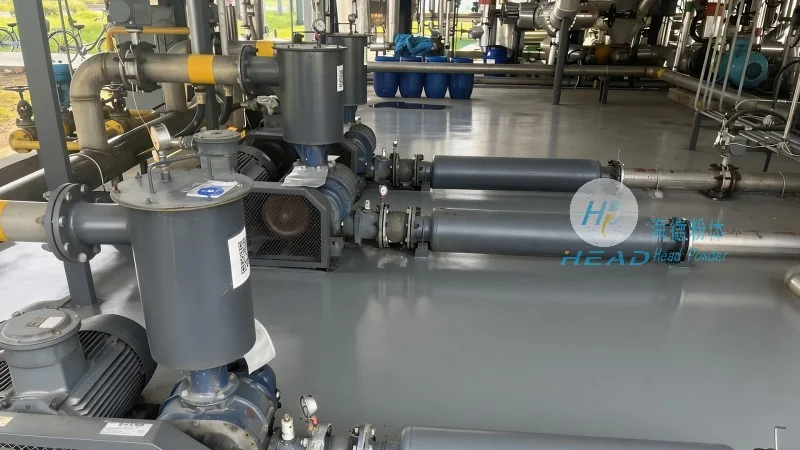
A wood powder material conveying line is a specialized system engineered to transport wood powder—a fine, dry material derived from processed wood—through an industrial setting. These lines are critical in various industries, including woodworking, biomass energy, and chemical processing, where consistent and reliable movement of wood powder is essential for production continuity. The system typically comprises components such as feeders, conveyors, and control mechanisms, all designed to handle the specific characteristics of wood powder, which can be abrasive, dusty, and prone to caking under certain conditions.
Key Design Principles for Efficient Operation
The design of a wood powder conveying line is governed by several critical principles aimed at ensuring optimal performance, safety, and longevity. First, the system must address the material's physical properties, such as its particle size, moisture content, and flowability. For wood powder, which often has a fine particle size and can be hygroscopic (absorbing moisture from the air), the design must incorporate features to prevent material buildup and maintain consistent flow. This includes the use of specialized feeders, such as screw feeders or rotary valves, which can handle fine powders without clogging.
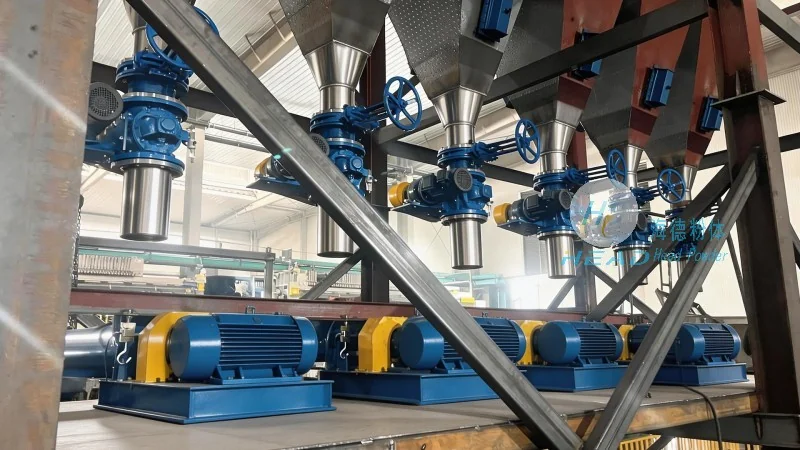
Second, the conveying method itself is a key design consideration. Common types of conveyors used in wood powder systems include pneumatic (air-assisted) conveyors and mechanical (belt or screw) conveyors. Pneumatic systems are particularly effective for fine powders, as they use air pressure to transport material through pipes, minimizing the risk of blockages and allowing for flexible routing. Mechanical conveyors, on the other hand, are suitable for bulkier or more abrasive materials and provide a more direct, contact-based transport method. The choice between these options depends on factors like the material's characteristics, the required conveying distance, and the available space in the facility.
Component Integration and System Optimization
Effective wood powder conveying lines rely on the seamless integration of multiple components, each playing a vital role in the overall operation. The system typically starts with a hopper or storage silo, where the wood powder is stored before being fed into the conveying equipment. The feeder, as mentioned earlier, is responsible for regulating the flow of material into the conveyor, ensuring a consistent feed rate that prevents overloading or underfeeding. The conveyor itself transports the material to the destination, which could be a processing unit, a storage area, or a packaging station.
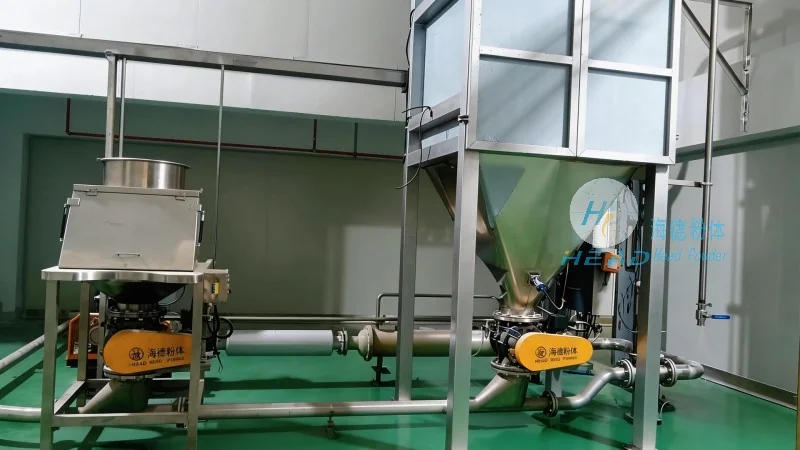
Control systems are another critical element in the design, as they allow operators to monitor and adjust the conveying process in real-time. Sensors and indicators can detect issues such as blockages, low material levels, or abnormal pressure changes, triggering alarms or automated responses to maintain system stability. Additionally, the design must consider factors like dust control and environmental safety, as wood powder can be a respiratory hazard if not handled properly. This often involves the incorporation of dust collection systems and sealed conveyor components to minimize airborne particles.
Applications and Industry Impact
Wood powder material conveying lines are widely used across various industrial sectors. In the woodworking industry, they facilitate the transport of sawdust and wood chips from processing machines to storage or further processing stages. In biomass energy applications, these systems are essential for moving wood powder to biomass boilers or gasifiers, where it is burned to generate heat or electricity. The consistent and efficient movement of wood powder is crucial in these processes, as any interruption can lead to production delays or equipment damage.
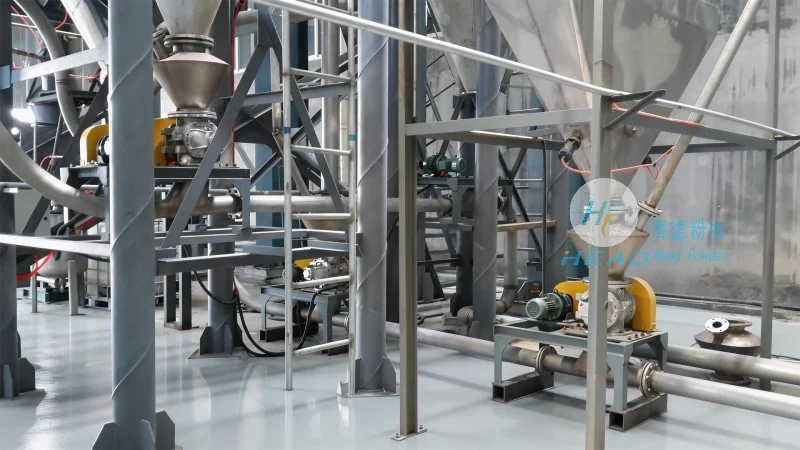
Moreover, the design principles discussed above ensure that the conveying line operates with minimal downtime and maintenance. By addressing the unique challenges of wood powder—such as its tendency to clump or clog—the system is engineered for reliability and durability. This not only improves operational efficiency but also reduces long-term costs associated with repairs and material loss.
Conclusion and Company Overview
Wood powder material conveying lines are sophisticated industrial systems that combine advanced engineering with practical design to meet the demands of modern material handling. At Shandong HeadPowder Engineering Co., Ltd., we specialize in developing customized conveying solutions that address the specific needs of our clients. Our expertise lies in understanding the unique properties of wood powder and translating them into efficient, reliable systems that enhance productivity and safety. Whether you are in the woodworking, biomass, or chemical industry, our wood powder conveying lines are designed to deliver consistent performance and long-term value.




