For industrial applications involving the handling of magnesium oxide (MgO) powder, pneumatic conveying systems offer an efficient and reliable method to transport the material from one location to another. This technology is particularly valuable in processes where traditional mechanical conveying methods may be impractical due to the nature of the material, such as its fine particle size, dustiness, or potential reactivity. Understanding the fundamentals of magnesium oxide pneumatic conveying, including its operational principles and design considerations, is crucial for optimizing material flow and ensuring system performance.
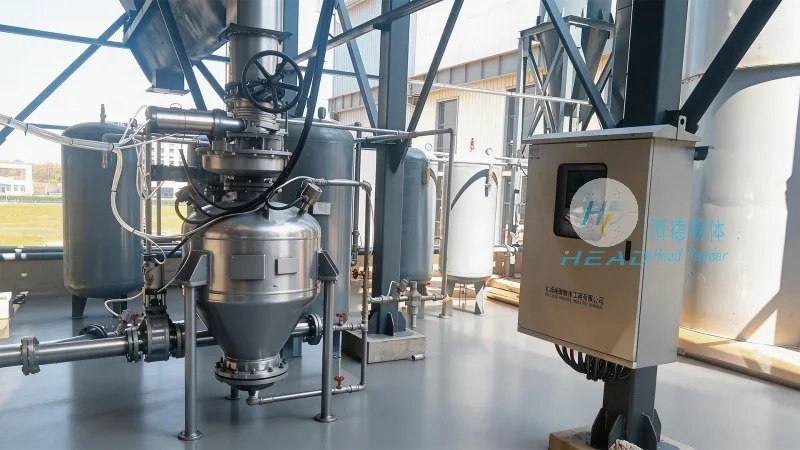
HeadPowder, a leading provider of material handling solutions, specializes in the design and implementation of pneumatic conveying systems tailored to the unique characteristics of magnesium oxide. With operations based in Shandong, China, the company leverages decades of expertise to deliver customized solutions that meet the specific demands of industrial clients. This article explores the core concepts of magnesium oxide pneumatic conveying, detailing the design principles that underpin effective system operation.
Understanding Pneumatic Conveying Systems
Pneumatic conveying systems utilize air or other gases to transport bulk materials through a pipeline network. In the case of magnesium oxide, which is often a fine, dry powder, the system typically operates on the principle of dilute-phase or dense-phase conveying, depending on the application requirements. Dilute-phase systems rely on high-velocity air to suspend the particles and move them through the pipeline, while dense-phase systems use lower air velocities and higher material concentrations to achieve more controlled and gentle transport.
The fundamental components of a pneumatic conveying system for magnesium oxide include a material feed hopper, an air supply system (such as a blower or compressor), a conveying line, and a discharge mechanism. The feed hopper ensures a consistent supply of material, preventing blockages and maintaining steady flow. The air supply system generates the necessary pressure or vacuum to move the material, with the choice of equipment (blower vs. vacuum pump) depending on the system configuration and material characteristics.
Design Principles for Magnesium Oxide Pneumatic Conveying
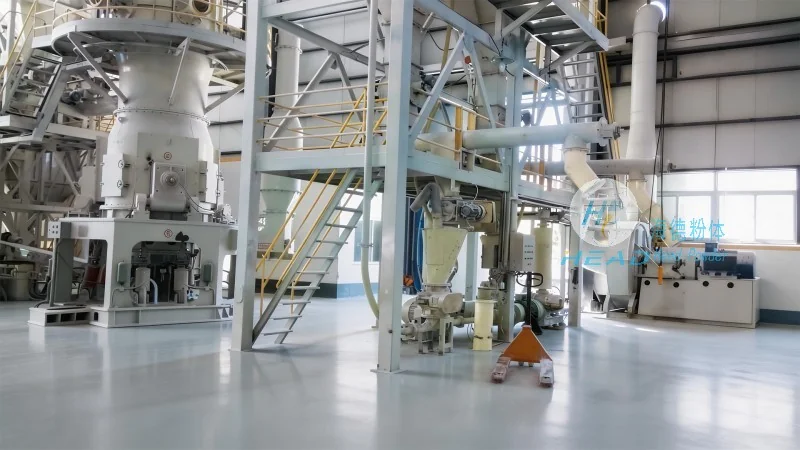
Designing an effective pneumatic conveying system for magnesium oxide requires careful consideration of several key factors to ensure optimal performance, efficiency, and longevity. These principles are tailored to the material's physical properties, such as particle size distribution, density, and flowability, as well as the operational goals of the process.
First, the selection of the conveying method (dilute-phase vs. dense-phase) is critical. Dilute-phase systems are generally more suitable for long-distance or high-velocity transport, where the material is suspended in a high-velocity air stream. This method is efficient for transporting magnesium oxide over distances of several hundred meters but may require higher air volumes and more robust equipment. Dense-phase systems, on the other hand, are ideal for applications requiring gentle handling, such as transporting sensitive or abrasive materials. They operate at lower velocities and higher material concentrations, reducing the risk of particle degradation or equipment wear.
Second, the design of the pipeline system is essential. The diameter and length of the conveying line must be optimized to balance material flow with air resistance. Larger diameter lines reduce friction losses and improve flow rates, while shorter lines may be more cost-effective for shorter distances. For magnesium oxide, which can be abrasive, the pipeline material (e.g., stainless steel, plastic, or coated metal) is chosen to withstand wear and prevent material buildup or corrosion.
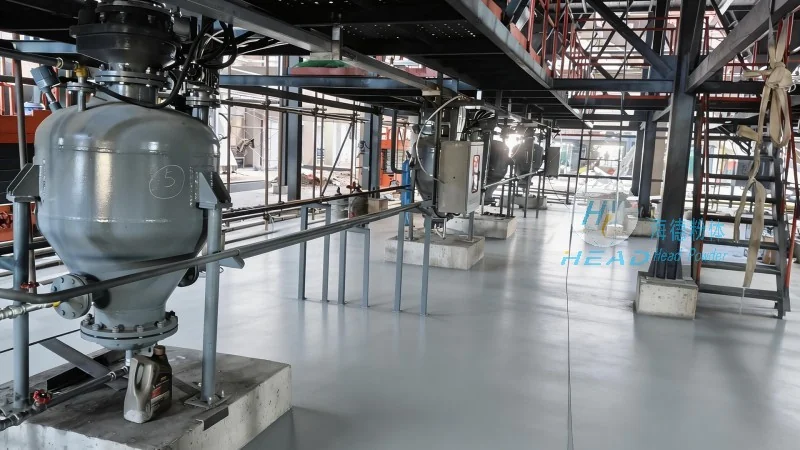
Third, the air supply system's capacity and pressure are critical design parameters. The blower or compressor must generate sufficient air volume and pressure to overcome the resistance in the pipeline and lift the magnesium oxide particles. The system's pressure drop is a key factor, as it directly impacts energy consumption and operational efficiency. Proper sizing of the air supply equipment ensures that the system operates within its optimal range, minimizing energy waste and maximizing material throughput.
Fourth, the feed and discharge mechanisms play a vital role in system performance. The feed hopper must be designed to prevent material bridging or clogging, which can disrupt the flow. This may involve the use of agitators, vibrators, or air knives to ensure consistent material release. The discharge mechanism, such as a rotary valve or slide gate, must be capable of handling the fine magnesium oxide powder without causing blockages or excessive wear. Proper sealing of the discharge point is also essential to prevent dust emissions and maintain system integrity.
Key Considerations for Magnesium Oxide Handling
In addition to the design principles of the pneumatic conveying system, several other factors must be considered when handling magnesium oxide to ensure safe and efficient operation. These include the material's reactivity, dust control measures, and system maintenance.
Magnesium oxide is a basic oxide that can react with acidic substances or moisture, potentially affecting its properties or causing corrosion in the system. Therefore, the materials used in the conveying system (e.g., pipeline, valves, and fittings) must be compatible with the material to prevent chemical reactions. Stainless steel is commonly used for its corrosion resistance and ability to handle abrasive materials like magnesium oxide.
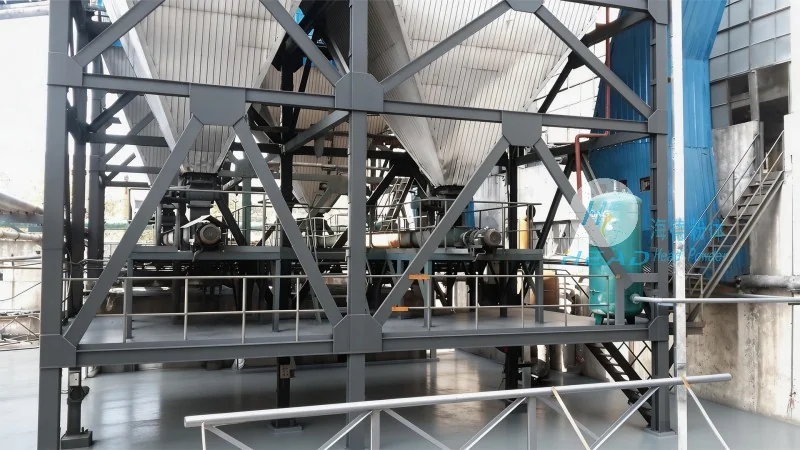
Dust control is another critical consideration, as magnesium oxide is a fine powder that can generate significant dust during handling. Proper sealing of the system components, use of dust collection systems, and implementation of good housekeeping practices are essential to minimize dust emissions and maintain a safe working environment. This is particularly important in industrial settings where air quality regulations may apply.
Regular maintenance of the pneumatic conveying system is also necessary to ensure long-term performance. This includes monitoring air pressure and flow rates, inspecting pipeline and equipment for wear or damage, and cleaning the system to prevent material buildup. HeadPowder provides comprehensive maintenance services to ensure that clients' systems operate at peak efficiency and meet regulatory requirements.
Conclusion
Pneumatic conveying of magnesium oxide is a sophisticated and effective method for material handling, offering advantages such as reduced labor costs, improved safety, and the ability to transport materials over long distances. The design principles outlined above, including the selection of conveying method, pipeline design, air supply system, and feed/discharge mechanisms, are critical to achieving optimal performance. By leveraging the expertise of companies like Shandong HeadPowder Engineering Co., Ltd., based in Shandong, China, industrial clients can implement customized pneumatic conveying systems that meet their specific needs and ensure efficient, reliable operation of their magnesium oxide handling processes.




