Understanding the pneumatic conveying of talc powder and its design principles is crucial for industries that rely on efficient material handling. This article explores the fundamental aspects of talc powder pneumatic conveying systems, detailing the key components, operational principles, and design considerations that ensure optimal performance and reliability.
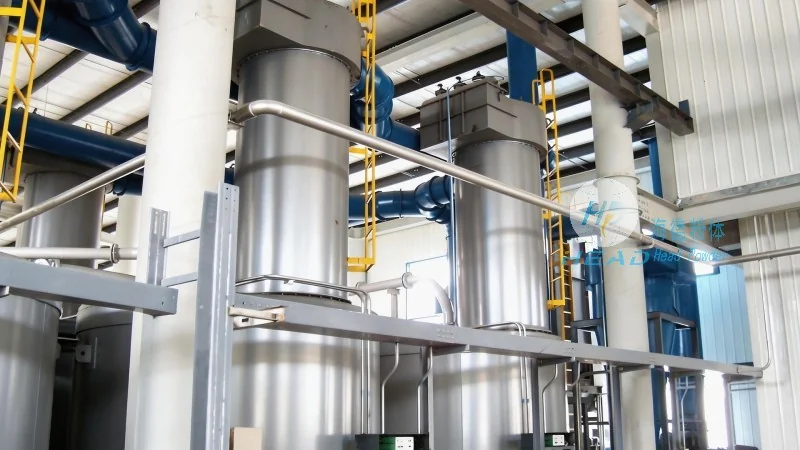
Pneumatic Conveying: An Overview
Pneumatic conveying is a method of transporting bulk materials, such as talc powder, through a pipeline using air or gas as the conveying medium. Unlike mechanical systems that rely on belts or screws, pneumatic systems utilize pressure differentials to move material from the source to the destination. This technology offers advantages like flexibility in layout, reduced equipment wear, and the ability to handle materials with varying properties.
Talc Powder: Unique Characteristics for Conveying
Talc powder, a soft mineral with a Mohs hardness of 1, exhibits specific properties that influence its pneumatic conveying design. Its fine particle size, typically ranging from 1 to 200 microns, and low density make it susceptible to segregation and agglomeration. Additionally, talc's hygroscopic nature and tendency to stick to surfaces require careful consideration in system design to prevent blockages and ensure consistent flow.
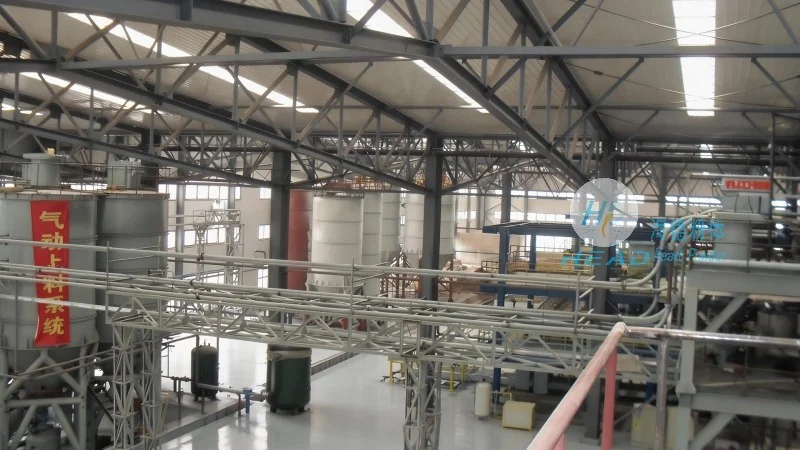
Core Components of a Talc Powder Pneumatic Conveying System
A typical talc powder pneumatic conveying system consists of several key components, each playing a vital role in the overall operation. The primary components include the material feed system, conveying pipeline, air or gas source, separation equipment, and control mechanisms. The feed system, often a rotary valve or a hopper with a feeder, ensures a steady and controlled supply of talc powder into the pipeline. The conveying pipeline, made from materials resistant to talc's abrasive and corrosive properties (such as stainless steel or special plastics), transports the material under pressure. The air or gas source, usually a blower or compressor, provides the necessary pressure to move the material through the system. Separation equipment, such as cyclones or filters, removes any entrained air or fine particles from the conveyed material, ensuring purity and preventing system damage. Control mechanisms, including pressure sensors and flow meters, monitor and regulate the system's performance to maintain optimal conditions.
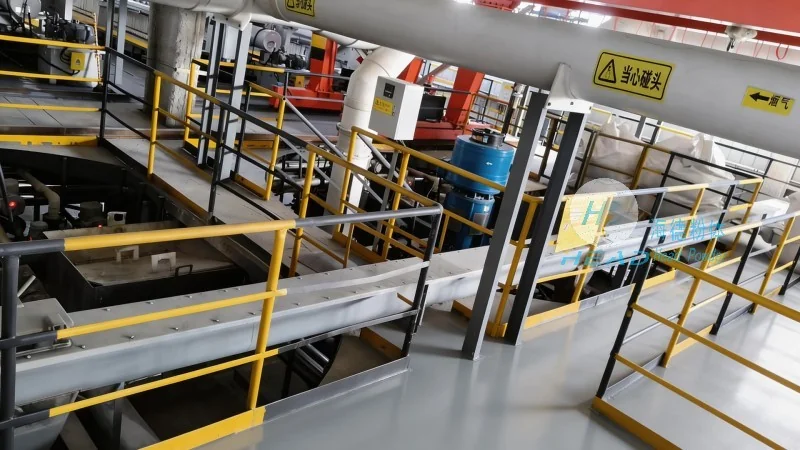
Design Principles for Efficient Talc Powder Conveying
The design of a talc powder pneumatic conveying system must address several critical factors to achieve efficiency and reliability. The first consideration is the material's flow properties, including its bulk density, angle of repose, and compressibility. These characteristics determine the required air velocity and pressure to maintain a stable flow. The second factor is the conveying distance and elevation change, as these affect the energy consumption and system pressure requirements. The third consideration is the system's capacity, which must match the production rate of the talc powder source. Additionally, the system must account for potential blockages caused by talc's tendency to agglomerate, often incorporating anti-blockage features like vibration or air jets in the pipeline. The choice of conveying type—whether dilute phase (high velocity, low pressure) or dense phase (low velocity, high pressure)—depends on the material's properties and the application requirements. Dilute phase systems are suitable for short distances and fine powders, while dense phase systems are preferred for longer distances or materials prone to segregation.
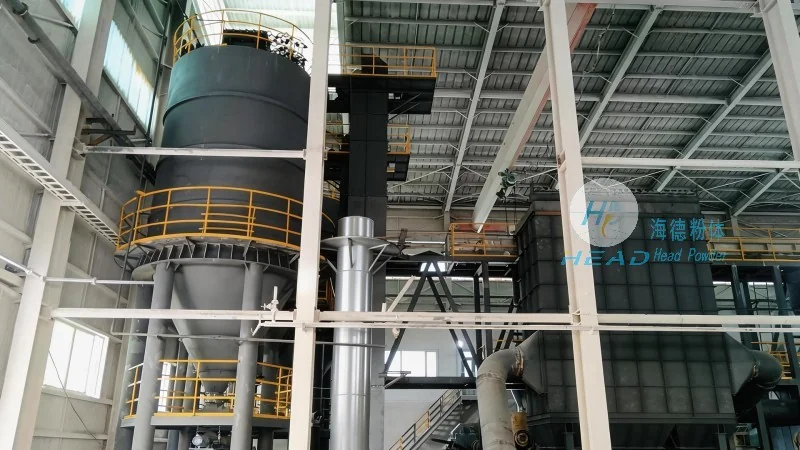
Applications and Industry Impact
Talc powder pneumatic conveying systems are widely used in various industries, including cosmetics, pharmaceuticals, and ceramics. In the cosmetics industry, talc is used as a filler and absorbent, requiring precise and clean handling to maintain product quality. The pharmaceutical industry demands stringent contamination control, making pneumatic systems with closed-loop designs ideal for transporting talc into processing lines. In ceramics, talc is used as a flux and opacifier, and efficient conveying ensures consistent material distribution in production processes. The reliability and flexibility of pneumatic systems make them a preferred choice for these applications, as they can be easily integrated into existing production lines and adapted to changing production needs.
Conclusion
In conclusion, the pneumatic conveying of talc powder is a sophisticated process that combines material science, engineering, and system design. By understanding the unique properties of talc and applying sound design principles, industries can achieve efficient, reliable, and cost-effective material handling. The expertise of companies like Shandong HeadPowder Engineering Co., Ltd., with their focus on tailored solutions for talc powder applications, plays a vital role in optimizing these systems for diverse industrial needs. As industries continue to demand higher efficiency and quality in material handling, the importance of well-designed pneumatic conveying systems for talc powder will only grow.




