For manufacturers and processors in the malt industry, selecting the right conveying system is crucial for efficiency, product quality, and operational reliability. The choice of conveying method directly impacts the overall performance of the production line, especially when handling barley malt, a key ingredient in brewing and other food applications. This article explores common barley malt conveying methods, with a focus on the advantages and applications of pneumatic conveying systems, as offered by Shandong HeadPowder Engineering Co., Ltd.
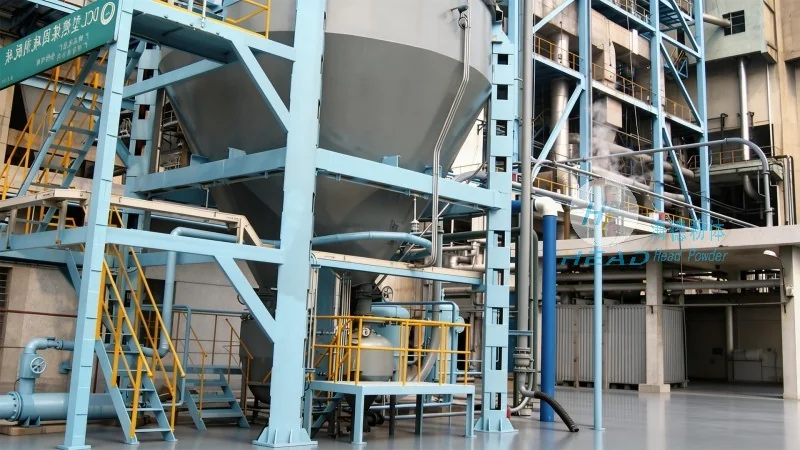
Common Barley Malt Conveying Methods Overview
Barley malt, with its delicate texture and moisture content, requires specialized handling to prevent damage and maintain quality. Conveying systems must be designed to minimize product degradation while ensuring smooth material flow. The primary methods used in the industry include mechanical conveyors, such as belt conveyors and screw conveyors, and pneumatic conveying systems. Each method has its own set of advantages and limitations, making the selection process critical for optimizing production processes.
Mechanical Conveying Systems: Traditional Approaches
Traditional mechanical conveying systems, like belt conveyors and screw conveyors, have been widely used in the malt industry for decades. Belt conveyors are ideal for horizontal or slight incline transport, providing a continuous and reliable flow of malt. They are particularly suitable for large-scale operations where high throughput is required. However, these systems may cause some product abrasion and are less effective for vertical or complex path transport. Screw conveyors, also known as augers, are used for vertical or inclined transport, often in storage silos or processing units. They are compact and can handle a variety of materials, but they may not be suitable for delicate products like malt due to the risk of excessive pressure and friction.
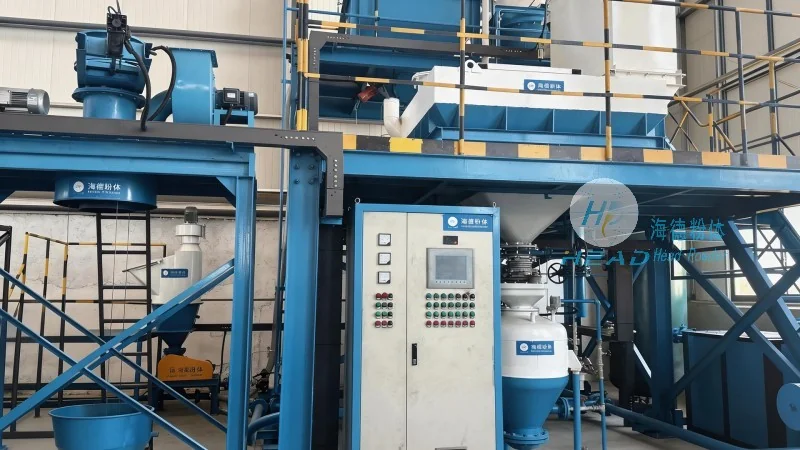
Pneumatic Conveying Systems: The Modern Solution
Pneumatic conveying systems, also known as air conveying systems, have gained significant popularity in recent years due to their ability to handle delicate materials like barley malt with minimal damage. These systems use compressed air to transport material through a pipeline, offering several advantages over traditional mechanical methods. The key benefits include reduced product degradation, improved hygiene, and the ability to handle vertical and horizontal transport in a single system. Pneumatic conveying can be further categorized into two main types: pressure and vacuum systems. Pressure systems use positive pressure to push material through the pipeline, while vacuum systems use negative pressure to pull material. Both types are effective, but the choice depends on the specific application and material characteristics.
Advantages of Pneumatic Conveying for Barley Malt
When it comes to conveying barley malt, pneumatic systems offer several key advantages that make them a preferred choice for many manufacturers. First, the gentle handling of the material minimizes breakage and loss of quality. The lack of mechanical contact reduces the risk of crushing or bruising the malt grains, which is critical for maintaining the flavor and nutritional value of the final product. Second, pneumatic systems provide excellent hygiene and sanitation, as the material is contained within a closed pipeline, preventing contamination from dust, bacteria, or other environmental factors. This is particularly important in food processing applications where strict regulatory standards must be met. Third, pneumatic conveying systems are highly flexible and can be easily integrated into existing production lines. They can handle complex routes, including vertical lifts and horizontal turns, without the need for additional equipment. This flexibility allows for more efficient use of space and improved workflow in the facility.
Components of a Barley Malt Pneumatic Conveying System
A typical pneumatic conveying system for barley malt consists of several key components that work together to ensure efficient and reliable operation. The main components include a hopper or feeder, a conveyor line (usually made of stainless steel to prevent corrosion and maintain hygiene), a blower or air compressor, and a control system. The hopper is used to store and feed the malt into the system, ensuring a consistent flow of material. The conveyor line transports the malt through the system, while the blower provides the necessary air pressure to move the material. The control system monitors and regulates the flow of air and material, ensuring optimal performance and preventing overloading or underloading of the system. Each component is designed to work in harmony, providing a seamless and efficient conveying process.
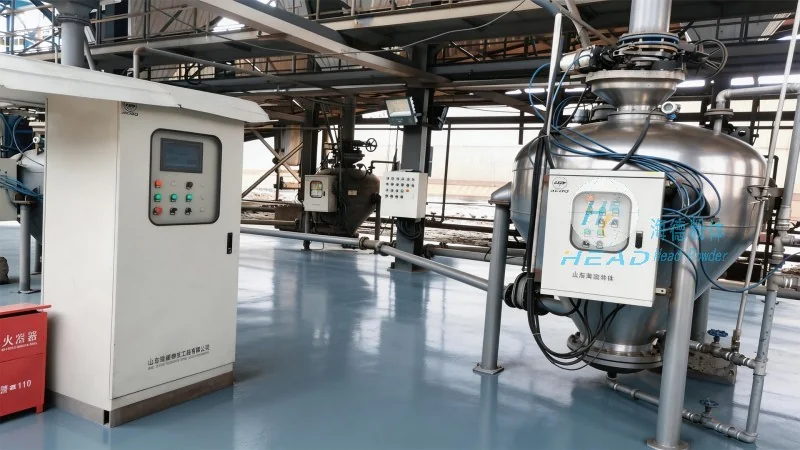
Applications of Pneumatic Conveying in Malt Processing
Pneumatic conveying systems are widely used in various stages of malt processing, from raw material handling to final product packaging. In the raw material handling stage, pneumatic systems are used to transport barley malt from storage silos to the milling and malting equipment. This ensures a smooth and continuous supply of material, reducing downtime and improving productivity. During the malting process, pneumatic systems can be used to transport malt from the germination tanks to the drying and kilning units. This allows for precise control over the moisture content and temperature of the malt, which is critical for achieving the desired flavor and texture. In the final processing stage, pneumatic systems are used to transport malt to the packaging lines, where it is packaged into bags or containers for distribution. This ensures that the malt is handled gently and efficiently throughout the entire process, maintaining its quality and freshness.
Choosing the Right Conveying System for Your Malt Operation
Selecting the appropriate conveying system for a barley malt operation requires careful consideration of several factors, including the scale of production, the type of malt being handled, and the specific requirements of the process. For small-scale operations, mechanical conveyors may be sufficient, but for large-scale or high-volume operations, pneumatic systems offer superior performance and efficiency. The choice between pressure and vacuum systems depends on the distance and complexity of the conveying route, as well as the material characteristics. It is also important to consider the cost of installation and maintenance, as well as the long-term operational costs of the system. Consulting with a reputable supplier, such as Shandong HeadPowder Engineering Co., Ltd., can help in making an informed decision by providing expert advice and tailored solutions based on the specific needs of the operation.




