When it comes to the efficient and reliable transportation of fish meal, a well-designed pneumatic conveying system is crucial. Proper system design ensures minimal product degradation, reduces operational costs, and enhances overall process safety. This article provides a comprehensive guide on how to design a reasonable fish meal pneumatic conveying system, tailored to the specific needs of the industry.
Understanding the Core Components of a Fish Meal Pneumatic Conveying System
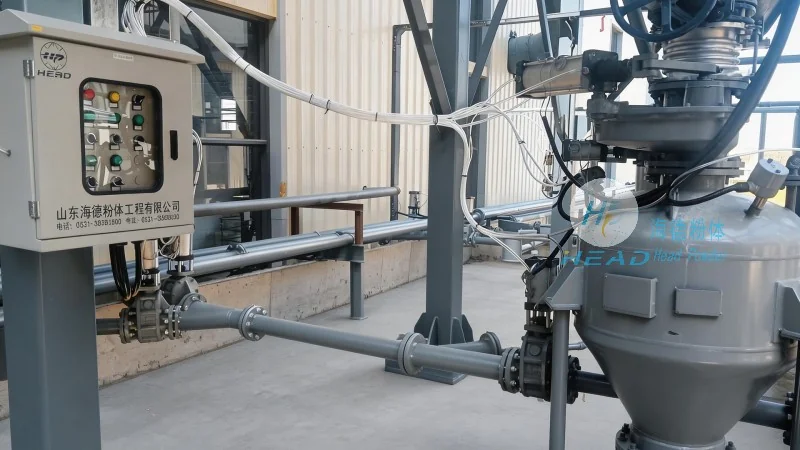
A pneumatic conveying system for fish meal typically consists of several key components, each playing a vital role in the overall operation. The primary elements include the feed hopper, which holds the fish meal and provides a controlled feed rate; the conveyor line, which transports the material through the system; the air supply system, which generates the necessary pressure or vacuum to move the material; and the control system, which regulates the flow and pressure to maintain optimal performance. Additionally, components such as filters, cyclones, and dust collectors are essential for maintaining air quality and preventing product contamination.
Key Design Considerations for Fish Meal Pneumatic Conveying
Designing a pneumatic conveying system for fish meal requires careful consideration of several factors to ensure efficiency and reliability. First, the system type—whether it is a pressure or vacuum system—must be selected based on the distance, elevation, and material characteristics. Pressure systems are generally preferred for longer distances and higher elevations, as they can handle more material and maintain consistent flow. Second, the material's properties, such as moisture content, particle size, and flowability, must be evaluated to determine the appropriate conveying velocity and pressure. Fish meal, being a fine powder, is prone to bridging and segregation, so the design must include features to prevent these issues, such as agitators or vibrators in the feed hopper.
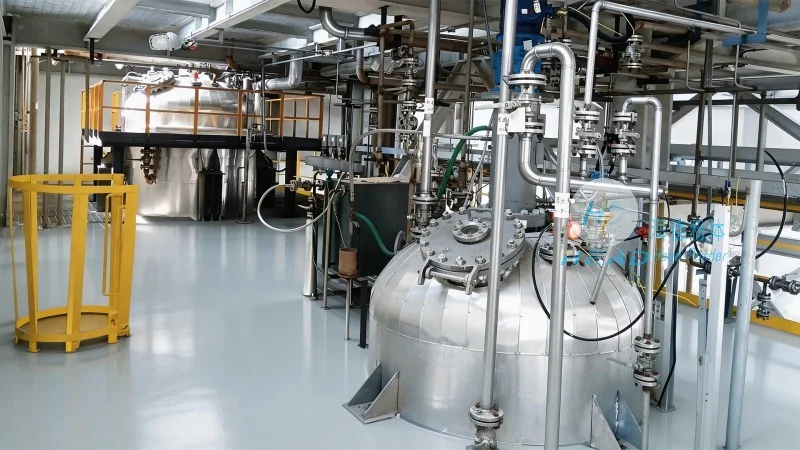
Third, the system's capacity and throughput must be matched to the production requirements. Overloading the system can lead to increased pressure drops and reduced efficiency, while underloading may result in unnecessary energy consumption. It is essential to calculate the required air volume and pressure based on the material's specific gravity and the desired conveying velocity. For example, a typical conveying velocity for fish meal is around 20-30 meters per second, which helps maintain the material in suspension and prevents blockages.
Equipment Selection and Installation Guidelines
The choice of equipment is critical to the success of a fish meal pneumatic conveying system. The feed hopper should be designed with a sloped bottom and a discharge valve to prevent bridging and ensure smooth material flow. The conveyor line should be made of materials that are resistant to corrosion and abrasion, such as stainless steel or high-density polyethylene, to withstand the corrosive nature of fish meal and the abrasive action of the particles. The air supply system, including the blower or compressor, must be capable of providing the required pressure and volume. It is recommended to use high-efficiency, low-noise equipment to minimize operational costs and environmental impact.
Installation of the system requires careful planning to ensure proper alignment and minimal pressure losses. The conveyor line should be laid out with gradual inclines and curves to avoid excessive pressure drops and material deposition. The use of flexible connectors and expansion joints can help accommodate thermal expansion and reduce stress on the system components. Additionally, the system should be equipped with pressure sensors and flow meters to monitor performance and detect any issues in real-time.
Maintenance and Operational Best Practices
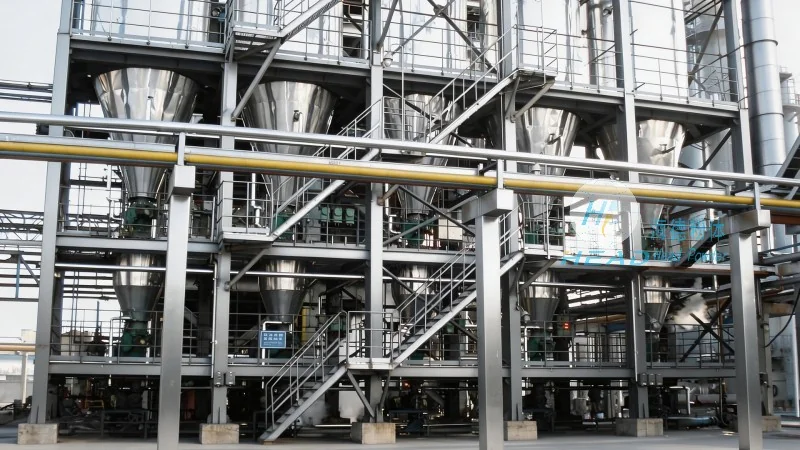
Regular maintenance is essential to keep a fish meal pneumatic conveying system operating at peak efficiency. This includes cleaning the hopper and conveyor line to prevent buildup of fish meal, inspecting the air filters and cyclones for clogging, and checking the blower or compressor for proper operation. It is recommended to perform routine inspections at least once a month, and more frequently during peak production periods. Proper maintenance not only extends the lifespan of the equipment but also reduces downtime and maintenance costs.
Operational best practices also play a crucial role in system performance. The feed rate should be adjusted based on the system's capacity and the material's flow characteristics. Overfeeding can lead to blockages and increased pressure, while underfeeding may result in inefficient air use. The system should be started and stopped gradually to avoid sudden pressure changes and material movement. Additionally, the air supply should be filtered to remove any contaminants that could damage the equipment or contaminate the fish meal.
Case Study: Successful Implementation by Shandong HeadPowder Engineering Co., Ltd.
Shandong HeadPowder Engineering Co., Ltd., a leading provider of pneumatic conveying solutions, has successfully designed and implemented fish meal pneumatic conveying systems for various clients. One notable project involved a large-scale fish meal processing plant in China, where the company designed a pressure pneumatic conveying system to transport fish meal from the grinding and drying stages to the packaging area. The system was designed to handle a throughput of 50 tons per hour, with a conveying distance of 150 meters and an elevation of 20 meters. The system was equipped with stainless steel conveyor lines, a high-efficiency blower, and a cyclone separator to ensure clean air and minimal product loss. The client reported significant improvements in production efficiency and reduced operational costs after the system was installed.
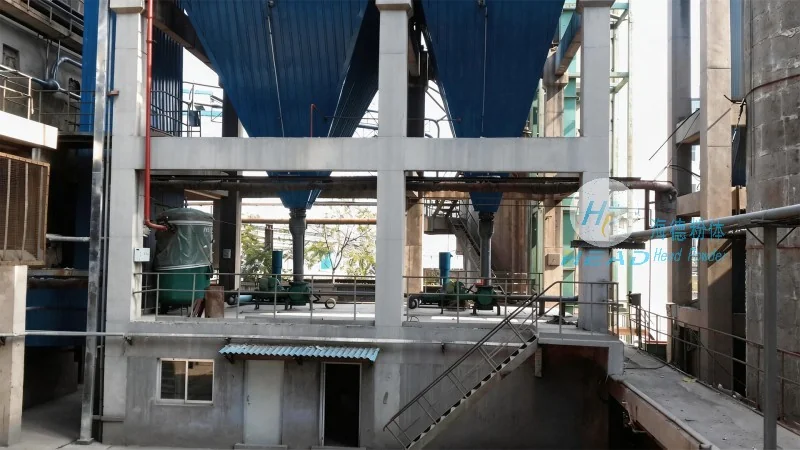
Another project involved a smaller fish meal processing facility, where the company designed a vacuum pneumatic conveying system to transport fish meal from the storage silos to the processing line. The system was designed to handle a throughput of 10 tons per hour, with a conveying distance of 50 meters. The system was equipped with a stainless steel feed hopper and a vacuum pump, which provided the necessary suction to move the material. The client praised the system's reliability and ease of maintenance, noting that it had reduced downtime and improved product quality.
Conclusion and Recommendations
Designing a reasonable fish meal pneumatic conveying system requires a thorough understanding of the material properties, system requirements, and operational constraints. By carefully considering the core components, design considerations, equipment selection, and maintenance practices, manufacturers can ensure the efficient and reliable transportation of fish meal. It is recommended to work with experienced engineering companies, such as Shandong HeadPowder Engineering Co., Ltd., to design and implement a system that meets the specific needs of the facility. With proper design and maintenance, a pneumatic conveying system can provide long-term benefits, including increased productivity, reduced costs, and improved product quality.




