When discussing the working principle and features of automatic quantitative material pneumatic conveying systems, it's essential to understand the core mechanisms that enable precise and efficient material handling. This technology is widely used in various industries to transport bulk materials through an air-driven system, ensuring consistent and controlled delivery of powders or granules. The process typically involves several key components that work in tandem to achieve accurate material measurement and transport.
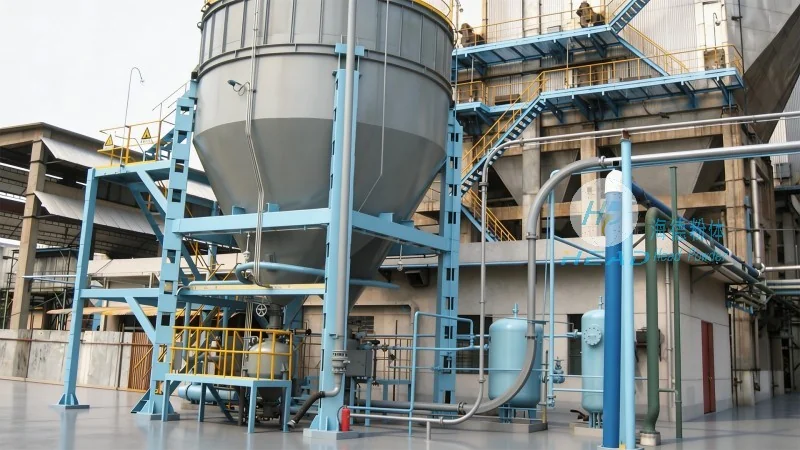
At the heart of an automatic quantitative pneumatic conveying system is the material feeding mechanism. This component is designed to introduce the bulk material into the conveying line at a controlled rate. In many systems, a hopper or silo feeds the material into a feeder, which can be a screw feeder, rotary valve, or other type of metering device. The feeder's role is to regulate the flow of material, ensuring that the quantity entering the conveying line matches the desired output rate. This precision in feeding is crucial for applications where exact material quantities are required, such as in pharmaceutical manufacturing, food processing, or chemical production.
The pneumatic conveying itself relies on the movement of air or gas to transport the material particles. There are two primary types of pneumatic conveying systems: dilute-phase and dense-phase. Dilute-phase systems use high-velocity air to suspend the material particles in the air stream, allowing them to be transported over long distances with minimal pressure drop. Dense-phase systems, on the other hand, use lower air velocities and higher material concentrations, resulting in a more controlled and stable flow. The choice between these systems depends on the material's properties, such as particle size, density, and moisture content, as well as the required conveying distance and pressure.
Within the conveying line, the material is often mixed with the conveying air in a venturi or a similar device. The venturi creates a pressure drop that draws the material into the air stream, ensuring uniform mixing and preventing material buildup or blockages. This mixing process is critical for maintaining the material's integrity and preventing segregation or agglomeration, which could affect the final product quality. The conveying line may also include components like filters, cyclones, or separators to separate the material from the air at the receiving end, ensuring that the material is deposited accurately and without contamination.
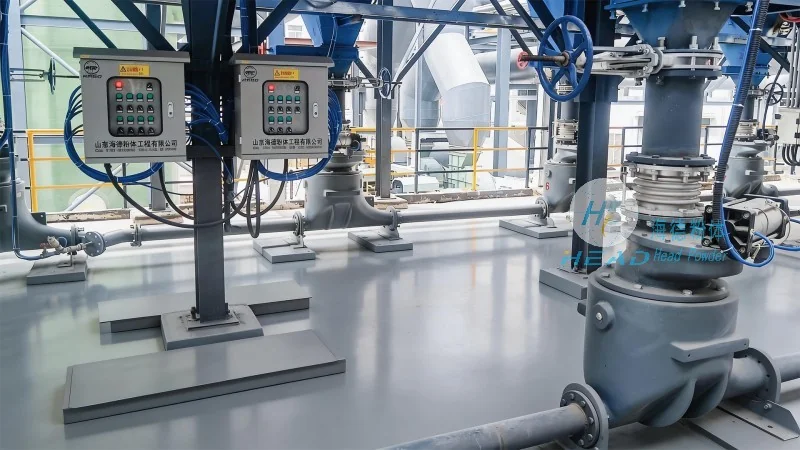
One of the key advantages of automatic quantitative pneumatic conveying is its ability to provide precise control over the material flow rate. This is achieved through advanced control systems that monitor the material feed rate, air pressure, and flow velocity in real-time. By adjusting these parameters dynamically, the system can maintain a consistent output, even when faced with variations in material properties or external conditions. This level of control is particularly important in industries where product consistency is paramount, as it helps to minimize waste and reduce the risk of product defects.
Another significant feature of these systems is their flexibility and adaptability. Automatic quantitative pneumatic conveying can handle a wide range of materials, from fine powders to coarse granules, and can be configured to meet the specific needs of different applications. The system can be integrated with other processing equipment, such as mixers, blenders, or packaging machines, to form a complete production line. This integration allows for seamless material transfer and reduces the need for manual handling, which can improve safety and efficiency in the workplace.
The working principle also involves the use of sensors and feedback mechanisms to ensure optimal performance. For example, pressure sensors monitor the air pressure in the conveying line, while flow meters track the air velocity. These sensors provide data to the control system, which can then make adjustments to maintain the desired conveying conditions. Additionally, some systems may include level sensors in the hopper or silo to detect when the material level is low, triggering an automatic refill or alert to the operator. This feedback loop ensures that the system operates efficiently and reliably, minimizing downtime and maintenance requirements.
In terms of features, automatic quantitative pneumatic conveying offers several benefits that make it a preferred choice for many industries. One of the most notable is its ability to handle materials that are difficult to transport using traditional methods, such as those with high moisture content or abrasive properties. The air-driven system reduces the risk of material degradation and equipment wear, as the material is not in direct contact with the conveying components for extended periods. Additionally, the system can be designed to operate in a closed loop, which helps to maintain a clean and hygienic environment, especially in food and pharmaceutical applications where contamination control is critical.
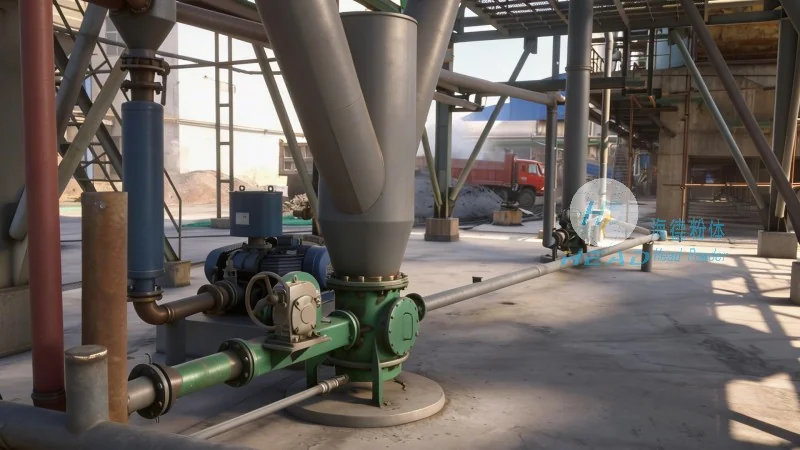
Furthermore, the automation aspect of these systems contributes to improved operational efficiency. By eliminating the need for manual material handling, the system reduces labor costs and minimizes the risk of human error. The consistent and accurate delivery of material also helps to streamline production processes, allowing manufacturers to meet tighter production schedules and improve overall productivity. The ability to integrate with existing production lines further enhances the system's value, as it can be retrofitted into existing facilities without major modifications.
When considering the implementation of an automatic quantitative pneumatic conveying system, it's important to evaluate the specific requirements of the application. Factors such as the material's properties, the required conveying distance, and the desired output rate will influence the system's design and components. For example, a system transporting fine powders may require a different venturi design or air pressure compared to one handling coarse granules. Additionally, the system's control system should be compatible with the existing production management software to ensure seamless integration and data tracking.
Overall, the working principle and features of automatic quantitative material pneumatic conveying systems highlight the advanced technology and precision engineering that enable efficient and reliable material handling. By understanding these principles, manufacturers can make informed decisions about implementing such systems, leading to improved productivity, reduced costs, and enhanced product quality. The combination of precise feeding mechanisms, efficient pneumatic transport, and advanced control systems makes this technology a valuable asset in modern industrial operations.




