For industries that demand stringent control over airborne contaminants, such as pharmaceuticals, electronics manufacturing, and food processing, the dust-free automatic material handling system represents a cornerstone of operational excellence. These systems are engineered to transport materials while maintaining a controlled, dust-free environment, which is critical for preserving product integrity, ensuring worker safety, and complying with industry regulations. The core objective is to eliminate or minimize dust generation during material movement, thereby preventing contamination and maintaining a clean workspace. This approach is particularly vital in sectors where even minute dust particles can compromise product quality or pose health risks. Developed by Shandong HeadPowder Engineering Co., Ltd. (headpowder), these systems integrate advanced technology to meet the evolving needs of modern industries.
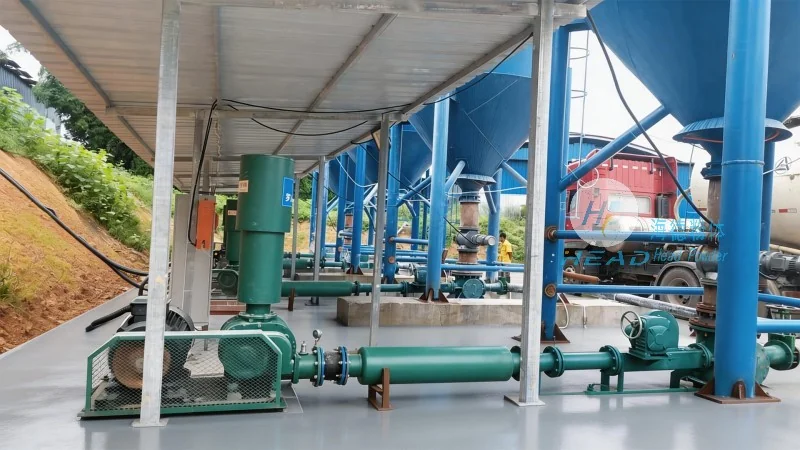
Core Principles Underpinning Dust-Free Material Handling
The fundamental principle of dust-free automatic material handling systems revolves around the integration of sealed transport mechanisms and sophisticated filtration technologies. The system’s design prioritizes containment, ensuring that materials are moved within a closed environment that prevents dust from escaping. Key components include enclosed conveyor belts, air filtration units, and dust suppression devices, all working in concert to achieve a dust-free operation. The enclosed conveyor system acts as the primary barrier, preventing dust from entering or exiting the transport path. Complementing this, air filtration units are strategically placed to capture any airborne particles that may be generated during the material handling process. These units often employ HEPA or similar high-efficiency filters to remove fine dust particles, ensuring that the air quality remains within acceptable limits. Additionally, dust suppression devices, such as air curtains or misting systems, are used to create a barrier that prevents dust from escaping the system. By combining these components, the system maintains a consistent, dust-free operational environment, which is crucial for meeting industry standards and maintaining product quality.
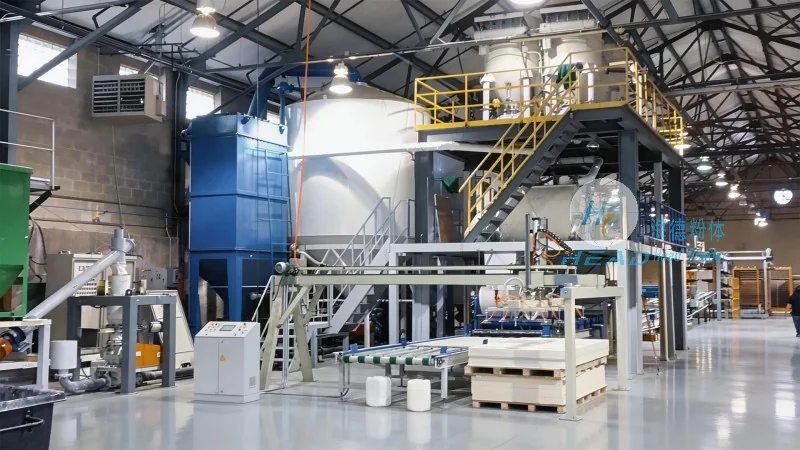
Key Components and Their Functional Roles
Several critical components contribute to the efficient and effective operation of dust-free material handling systems. The enclosed conveyor system is the backbone of the design, featuring sealed casings that prevent dust from infiltrating the workspace. The materials are transported within this controlled environment, minimizing exposure to contaminants and ensuring that the product remains clean. Air filtration units are another essential component, typically positioned at strategic points along the conveyor path to capture airborne particles. These units are often equipped with monitoring systems that alert operators to filter blockages or performance issues, allowing for timely maintenance. Dust suppression devices, such as air curtains or misting nozzles, are used to neutralize any dust that could potentially escape from the conveyor system. By combining these components, the system maintains a consistent, dust-free operational environment, which is crucial for meeting industry standards and maintaining product quality.
Application Scenarios and Industry-Specific Benefits
The dust-free automatic material handling system is widely adopted across various industries due to its adaptability and effectiveness. In the pharmaceutical industry, these systems are indispensable for transporting raw materials, intermediates, and finished products. The clean environment helps to prevent contamination, which is vital for maintaining the efficacy and safety of pharmaceuticals. In the electronics manufacturing sector, dust can damage sensitive components, making these systems essential for moving parts and assemblies. The dust-free operation ensures that electronic devices remain free from particulate contamination, which is critical for their performance and reliability. The food processing industry also benefits significantly from these systems, as they help to maintain hygiene standards and prevent cross-contamination. By eliminating dust during material handling, the systems contribute to higher product quality and compliance with food safety regulations. Each application scenario leverages the system’s ability to handle materials in a dust-free manner, ensuring that the end products meet the highest quality and safety requirements.
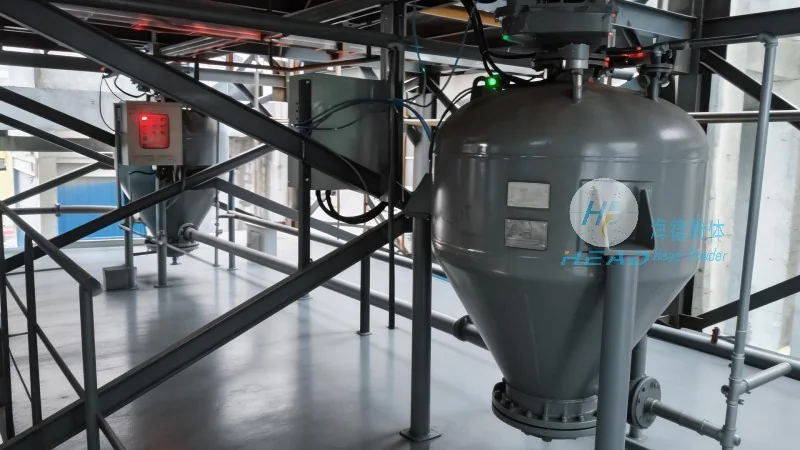
Operational Efficiency and Maintenance Best Practices
Beyond their primary role in maintaining a clean environment, dust-free material handling systems also enhance operational efficiency. The enclosed design reduces the need for manual cleaning and rework, as dust-related issues are minimized. This leads to lower labor costs and increased productivity. Additionally, the advanced filtration systems can be integrated with monitoring tools to detect any performance issues early, allowing for proactive maintenance. Regular maintenance is essential to ensure the system’s effectiveness. This includes checking filter conditions, inspecting conveyor seals, and verifying the functionality of dust suppression devices. By adhering to a proper maintenance schedule, the system can operate reliably for extended periods, providing consistent performance and cost savings over time. Furthermore, the system’s design allows for easy integration with other automated processes, such as packaging or quality control, enhancing overall workflow efficiency.




