Shandong HeadPowder Engineering Co., Ltd., a leading provider in the field, specializes in the design, manufacturing, and implementation of advanced continuous material handling systems. These systems are engineered to efficiently transport bulk materials or products through a series of interconnected processes, ensuring seamless and uninterrupted flow in industrial operations. The core principle behind such systems lies in the integration of mechanical components, control mechanisms, and operational strategies to optimize material movement, reduce downtime, and enhance overall productivity.
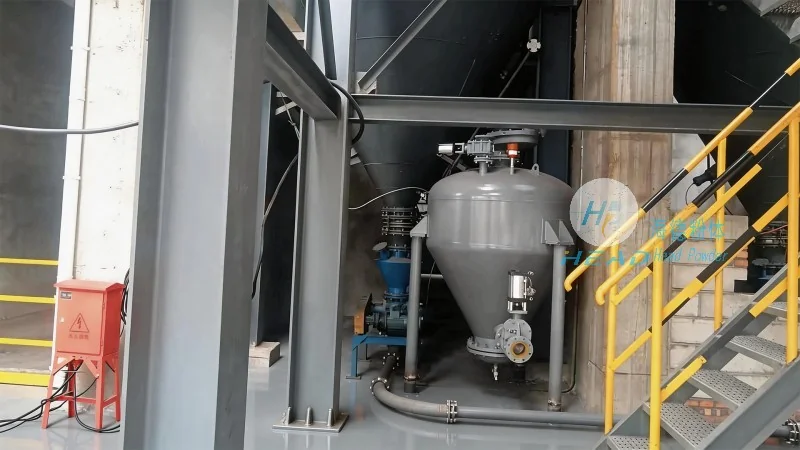
Principles of Continuous Material Handling
The fundamental principles of continuous material handling systems revolve around the concept of unbroken material flow. Unlike batch processing systems that involve stop-and-go operations, continuous systems operate in a steady, continuous manner, minimizing the time materials spend in transit. Key components typically include conveyors, feeders, sorters, and control units, all working in harmony to move materials from one stage to the next. The system's design considers factors such as material type, weight, dimensions, and the required throughput, ensuring that each component is optimized for its specific role. For instance, belt conveyors are commonly used for transporting loose bulk materials, while chain conveyors may be preferred for heavier or irregularly shaped items. The integration of sensors and automation technology further enhances the system's responsiveness, allowing for real-time adjustments to maintain optimal performance.
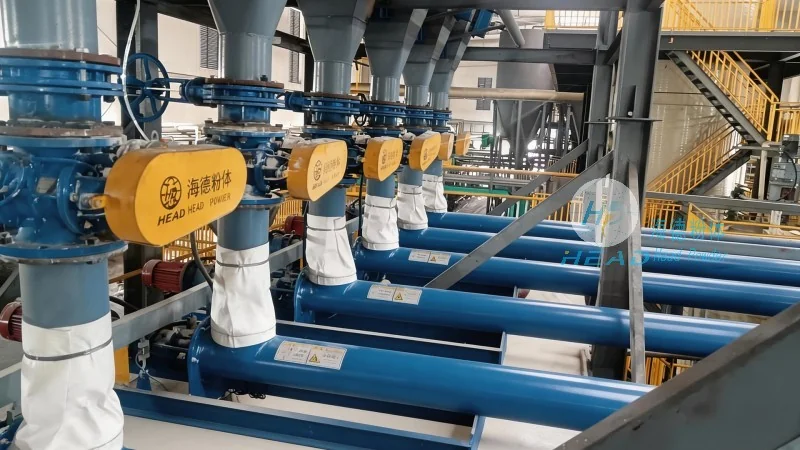
Application Scenarios and Operational Characteristics
Continuous material handling systems find widespread application across various industries, including manufacturing, logistics, mining, and food processing. Their versatility and adaptability make them suitable for diverse operational environments. In manufacturing plants, these systems are crucial for moving raw materials to production lines and finished products to packaging areas, ensuring a smooth transition between stages. In logistics and warehousing, continuous conveyor networks facilitate the rapid sorting and distribution of packages, improving order fulfillment efficiency. The operational characteristics of these systems are defined by their ability to handle high volumes of materials at consistent speeds, with minimal human intervention. This not only reduces labor costs but also minimizes the risk of errors associated with manual handling. Additionally, the modular design of many continuous systems allows for easy expansion or reconfiguration, enabling businesses to adapt to changing production demands without significant capital investment.
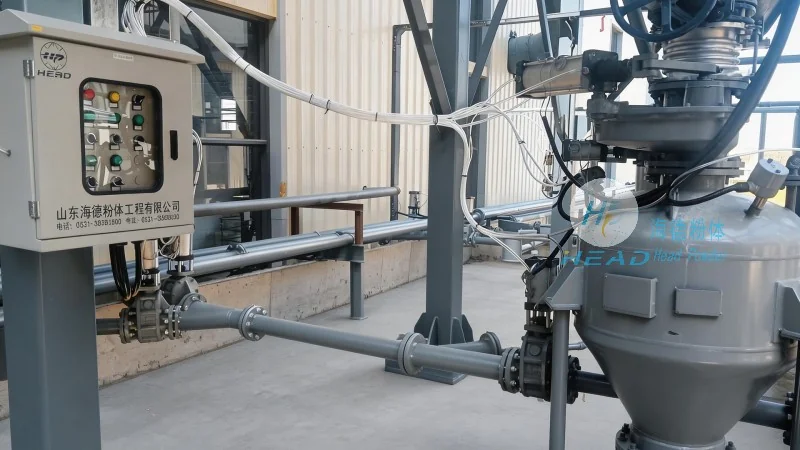
Key Advantages and Industry Impact
Implementing continuous material handling systems offers several significant advantages. First, they enhance operational efficiency by eliminating bottlenecks and reducing idle time. The consistent flow of materials ensures that production processes run smoothly, leading to higher output rates and better resource utilization. Second, these systems improve safety by minimizing the need for manual material handling, thereby reducing the risk of workplace injuries. Third, the integration of advanced control systems enables better monitoring and data collection, allowing for predictive maintenance and proactive problem-solving. This leads to lower maintenance costs and extended equipment lifespan. For companies operating in competitive markets, the ability to maintain high productivity and reliability is critical, and continuous material handling systems provide a solid foundation for achieving these goals.




