Continuous bulk powder pneumatic conveying represents a sophisticated and efficient method for transporting dry powders and granular materials over extended distances. This technology is widely adopted across various industries, including pharmaceuticals, food processing, and chemical manufacturing, where maintaining product integrity and ensuring consistent, reliable flow are paramount. The system operates by utilizing compressed air to create a stable, uniform flow of material through a network of pipes, enabling seamless transfer from one processing stage to another without the need for manual intervention or intermediate storage.
Core Principles Underpinning Continuous Pneumatic Conveying
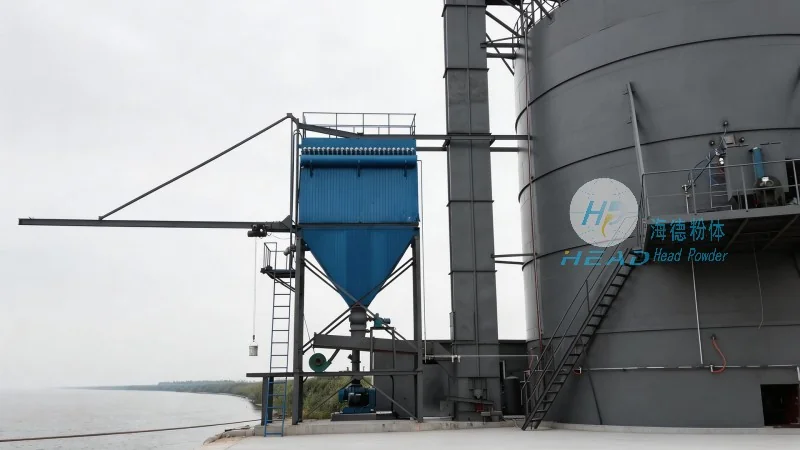
The fundamental principle of continuous pneumatic conveying is the generation of a stable, controlled flow of material using air pressure. Unlike batch systems that operate in discrete cycles, continuous systems maintain a constant flow rate, which significantly enhances operational efficiency and reduces downtime. The process typically involves a feeding mechanism, such as a rotary valve or a screw feeder, that continuously introduces the powder into the conveying line. The material is then propelled through the system by either positive pressure (where air is used to push the material forward) or negative pressure (where a vacuum is created to draw the material). The choice between these two approaches depends on factors such as the material's properties, the distance to be covered, and the required flow rate. For instance, positive pressure systems are often preferred for short to medium distances and for materials that are prone to bridging or caking, while negative pressure systems are more suitable for longer distances and for materials that are lightweight and easy to handle.
Key Components and Their Functional Roles
Continuous pneumatic conveying systems consist of several critical components that work in concert to ensure smooth and reliable operation. The primary components include a material hopper or storage silo, which serves as the initial storage and feeding point for the powder. The hopper is equipped with a feeder, such as a rotary valve or a vibratory feeder, that regulates the flow of material into the conveying line. The conveying line itself is typically constructed from stainless steel or other corrosion-resistant materials to prevent contamination and ensure durability. The line may include bends, elbows, and straight sections, designed to accommodate the material's trajectory and maintain a consistent flow. At the receiving end, a receiver or destination vessel collects the material, often equipped with a filter or cyclone to separate the material from the air. Additional components may include pressure regulators, air compressors, and filters to maintain optimal air quality and system performance. The use of high-quality materials for these components is essential, especially in industries like pharmaceuticals and food processing, where product purity and safety are non-negotiable.
Advantages of Adopting Continuous Pneumatic Conveying
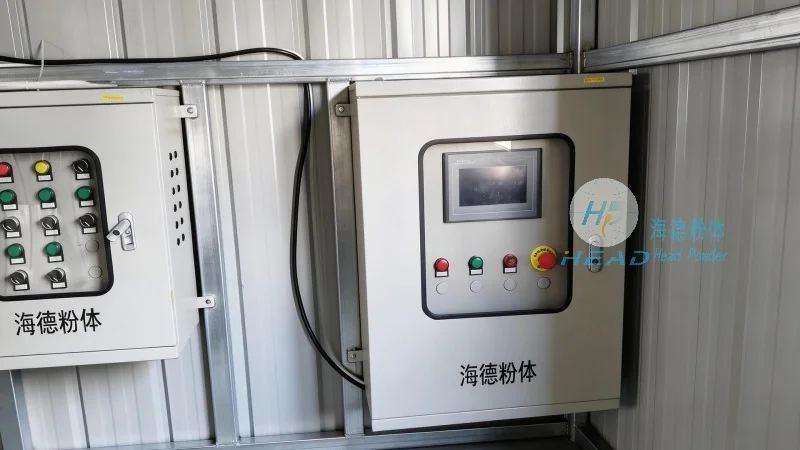
Continuous pneumatic conveying offers numerous advantages over traditional material handling methods like belt conveyors, manual handling, or mechanical screw conveyors. One of the most significant benefits is the ability to maintain product integrity, as the material is never in direct contact with the conveying system. This reduces the risk of contamination, cross-contamination, or degradation, which is critical in industries where product quality directly impacts consumer safety and regulatory compliance. Additionally, continuous systems can handle a wide range of materials, from fine powders with particle sizes as small as 1 micron to coarse granules with diameters up to several millimeters. The technology is also highly adaptable, allowing for adjustments in flow rate and pressure to accommodate varying production demands. Another key advantage is the reduction in operational costs, as continuous systems are generally more energy-efficient than batch systems. By maintaining a constant flow, they minimize air consumption and reduce the need for frequent system restarts, leading to lower energy bills and longer equipment lifespan.
Common Working Scenarios and Industrial Applications
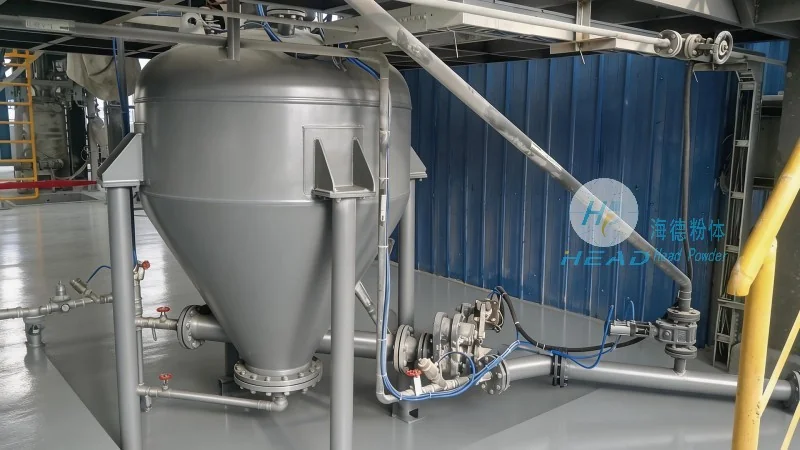
Continuous pneumatic conveying is employed in a diverse array of industrial applications, each tailored to the specific needs of the material and process. In the pharmaceutical industry, for example, it is used to transport active pharmaceutical ingredients (APIs) and excipients from bulk storage to manufacturing lines, ensuring that the materials are handled in a sterile and controlled environment. The system is particularly valuable in facilities that require GMP (Good Manufacturing Practice) compliance, as it minimizes human contact and reduces the risk of contamination. In food processing, the technology is widely used to move ingredients such as flour, sugar, spices, and other dry components from silos to processing equipment, maintaining the freshness and quality of the products. The chemical industry also relies heavily on continuous pneumatic conveying for the transfer of raw materials and finished products, especially in processes involving hazardous or sensitive chemicals. Additionally, the mining and construction sectors utilize this technology to transport bulk materials such as ore, sand, and cement from storage to processing sites or construction areas, improving efficiency and reducing labor costs. Each application leverages the system's ability to handle large volumes of material over long distances with minimal maintenance and high reliability.
Operational Considerations and Best Practices for System Maintenance
Successfully implementing and maintaining a continuous pneumatic conveying system requires careful attention to several operational and maintenance considerations. The first step is to conduct a thorough assessment of the material's properties, including its particle size distribution, density, flowability, and moisture content. These characteristics will dictate the appropriate system design, such as the type of pressure (positive or negative), the size of the conveying line, and the selection of feeder and filter components. Proper system sizing is crucial to ensure that the equipment operates within its optimal range, avoiding issues like blockages or excessive air consumption. Regular maintenance is another critical aspect, as it directly impacts system performance and longevity. This includes routine cleaning of the conveying line and filters to prevent buildup of material, checking for leaks in the air system, and inspecting components for wear and tear. Additionally, monitoring system parameters such as pressure, flow rate, and temperature can help identify potential issues early, allowing for timely intervention and preventing system failures. Working with experienced suppliers, such as Shandong HeadPowder Engineering Co., Ltd., based in China, can provide valuable expertise in system design, installation, and maintenance, ensuring that the equipment meets the specific requirements of the application and operates efficiently over the long term.




