Shandong HeadPowder Engineering Co., Ltd., commonly known as HeadPowder, is a professional enterprise dedicated to the research, development, and application of pneumatic conveying technologies, particularly for fiber powders. With its headquarters located in Shandong, China, the company specializes in providing customized solutions for the efficient handling and transportation of fibrous materials in various industrial settings.
Principles of Fiber Powder Pneumatic Conveying
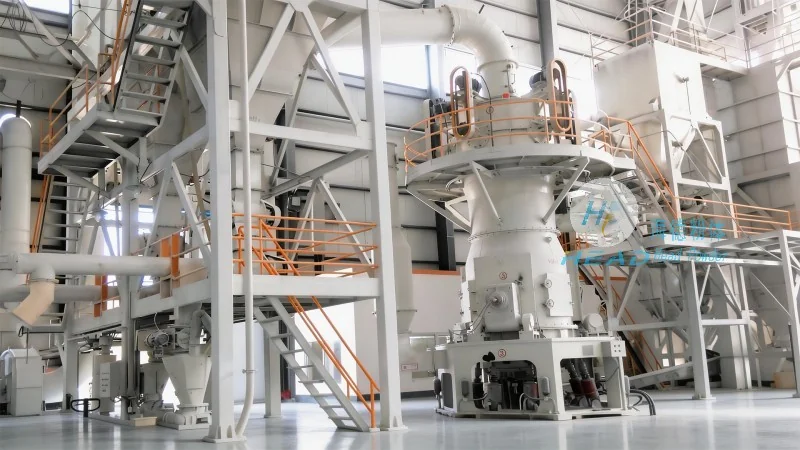
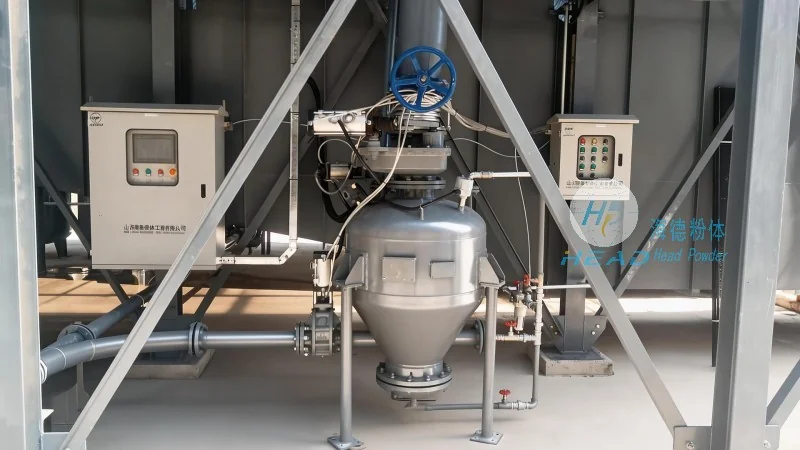
Fiber powder pneumatic conveying is a method that utilizes compressed air or other gas to transport powder materials through a pipeline system. The core principle involves creating a flow of air that lifts and moves the powder particles from the source to the destination. This process typically operates under negative pressure (suction) or positive pressure (blowing), depending on the specific application requirements. The system consists of key components such as a feeder, a pipeline, a separator, and a receiver. The feeder ensures the consistent feeding of the fiber powder into the pipeline, while the separator separates the air from the powder at the end of the conveying line. The receiver collects the conveyed material, completing the transport cycle. The efficiency of this system is influenced by factors like the particle size, moisture content, and bulk density of the fiber powder, as well as the pressure and flow rate of the air.
Application Scenarios and Characteristics
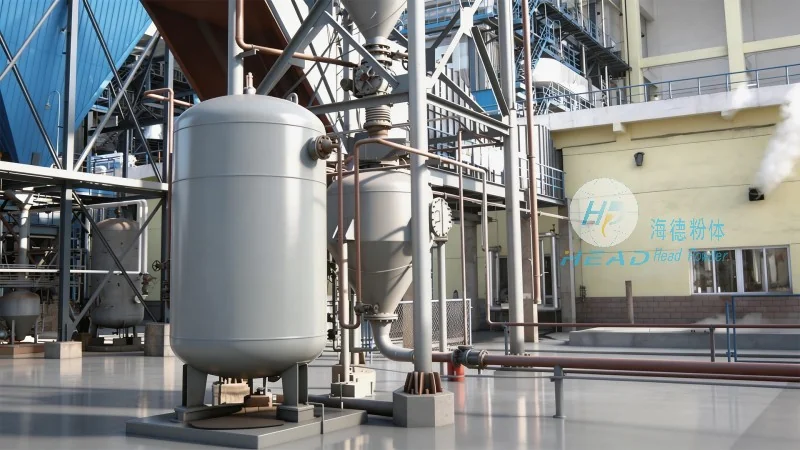
The application scenarios of fiber powder pneumatic conveying are diverse and tailored to the unique needs of different industries. For instance, in the textile industry, it is commonly used to transport raw fibers from storage silos to processing machines, ensuring a continuous and clean supply of material. In the paper manufacturing sector, the technology is employed to convey recycled fibers or pulp from collection points to the production lines, supporting the efficient production of paper products. Additionally, in the chemical and pharmaceutical industries, this method is utilized for the handling of fibrous additives or raw materials, maintaining strict hygiene and preventing contamination. The key characteristics of these applications include high efficiency, minimal material loss, and the ability to handle materials with varying properties. The system can be designed to operate in both continuous and batch modes, adapting to the production schedules of different facilities. Furthermore, the use of pneumatic conveying reduces the need for manual handling, enhancing workplace safety and reducing labor costs. The flexibility of the system allows for easy integration with existing production lines, making it a practical solution for modern industrial operations.
Advantages and Practical Considerations
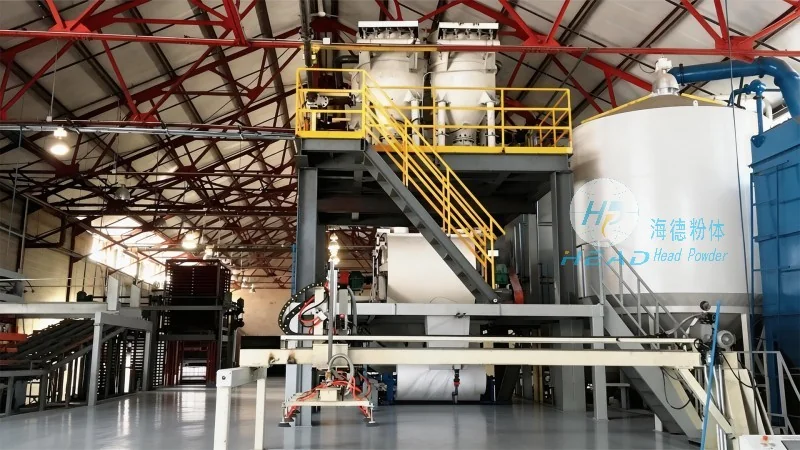
One of the primary advantages of fiber powder pneumatic conveying is its ability to handle materials that are difficult to transport using traditional methods, such as those with high moisture content or abrasive properties. The system’s design allows for the transportation of fibrous materials over long distances with minimal degradation, preserving the quality of the product. Another advantage is the reduced risk of dust contamination and the improved safety of the process, as the material is contained within the pipeline. However, practical considerations must be taken into account when implementing this technology. For example, the selection of appropriate air pressure and flow rate is critical to ensure efficient conveying without causing excessive wear on the system components. The maintenance of the equipment, particularly the feeder and separator, is also essential to maintain the system’s performance and longevity. Additionally, the design of the pipeline must consider factors like the material’s flowability and the potential for blockages, which can be mitigated through proper system sizing and the use of appropriate fittings.




