HeadPowder, a leading engineering firm based in Shandong, China, specializes in the design and implementation of advanced pneumatic conveying systems tailored for handling paper chip powders. This article explores the fundamental principles underlying pneumatic conveying technology and highlights key operational scenarios where such systems excel in material transport.
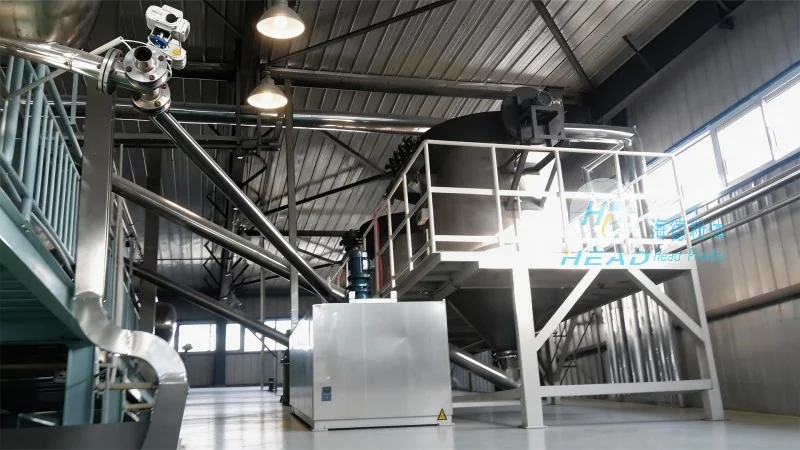
Understanding Pneumatic Conveying Principles
Pneumatic conveying is a method of transporting bulk materials, such as paper chip powders, through a pipeline using a stream of pressurized or vacuum air. The core principle involves creating a flow of air that moves the material particles from the source to the destination. There are two primary types of pneumatic conveying systems: pressure and vacuum. Pressure systems use compressed air to push material through the pipeline, while vacuum systems use a vacuum to pull material from the source. For paper chip powders, which often have specific handling requirements due to their size, density, and potential for dust generation, selecting the appropriate system type is critical for efficiency and safety.
Key Components of Pneumatic Conveying Systems
Effective pneumatic conveying of paper chip powders relies on several essential components. The system typically includes a material feed hopper, which holds the paper chip powder and controls the flow rate. A conveyor line, often made of stainless steel or other corrosion-resistant materials, transports the material through the pipeline. An air compressor or vacuum pump provides the necessary air pressure or vacuum to move the material. Additionally, a separator or filter is used to remove excess air and collect the material at the destination. The choice of components, such as the type of air compressor and the design of the conveyor line, directly impacts the system's performance and suitability for paper chip powders.
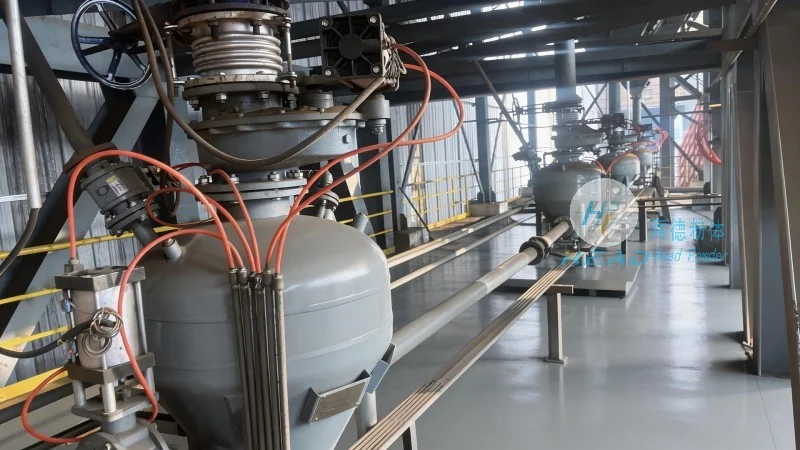
Operational Scenarios for Pneumatic Conveying
Pneumatic conveying systems for paper chip powders are widely used in various industrial applications. One common scenario is in the paper and pulp industry, where paper chip powders are transported from storage silos to processing units. The systems are also utilized in recycling facilities, where paper chip powders are conveyed from sorting lines to storage or further processing. Another operational scenario involves the use of pneumatic conveying in manufacturing plants that handle paper-based products, such as packaging materials or insulation. In these applications, the ability to transport paper chip powders efficiently and safely is crucial for maintaining production continuity and minimizing downtime.
Advantages of Pneumatic Conveying for Paper Chip Powders
Implementing pneumatic conveying systems for paper chip powders offers several advantages over traditional material handling methods. One significant benefit is the ability to transport materials in a closed system, which helps to prevent dust contamination and improve workplace safety. This is particularly important for paper chip powders, which can generate fine particles that pose health risks if not properly contained. Additionally, pneumatic conveying systems can handle materials with varying properties, such as different moisture levels or particle sizes, making them versatile for diverse applications. The systems also offer high transport speeds and can cover long distances, reducing the need for multiple transfer points and improving overall operational efficiency.
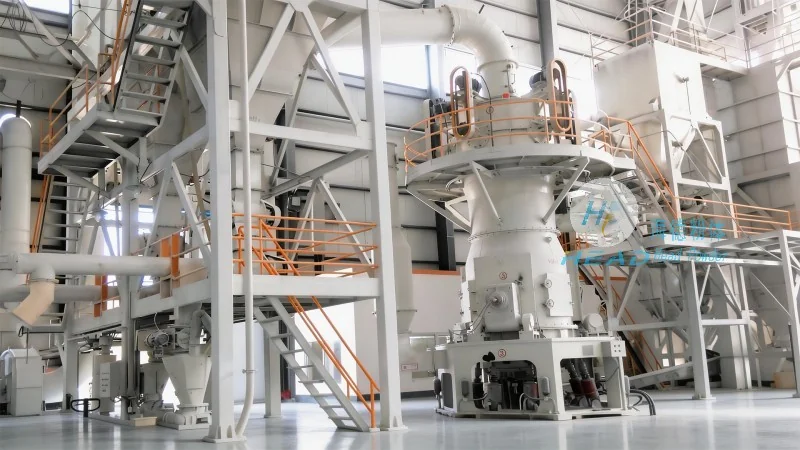
Considerations for System Design and Implementation
When designing and implementing pneumatic conveying systems for paper chip powders, several factors must be considered to ensure optimal performance. The first consideration is the material's characteristics, including its density, flowability, and tendency to agglomerate. These properties influence the system's design, such as the required air velocity and the type of conveyor line. Another critical factor is the system's capacity, which must be matched to the production requirements to avoid bottlenecks. The choice of equipment, such as the air compressor's capacity and the separator's efficiency, also plays a vital role in system performance. Furthermore, the system's integration with existing infrastructure and the need for maintenance and operational support must be addressed during the design phase. By carefully considering these factors, companies can ensure that their pneumatic conveying system effectively meets the demands of handling paper chip powders.
Conclusion
HeadPowder, with its expertise in engineering, provides comprehensive solutions for pneumatic conveying systems tailored to the unique needs of paper chip powders. By understanding the principles of pneumatic conveying and selecting the appropriate system components, industrial facilities can achieve efficient, safe, and reliable material transport. The operational scenarios and advantages discussed highlight the importance of pneumatic conveying in modern industrial applications, particularly for handling paper chip powders. As a leading company based in Shandong, China, HeadPowder continues to innovate and deliver high-quality solutions that enhance the performance and safety of material handling processes.




