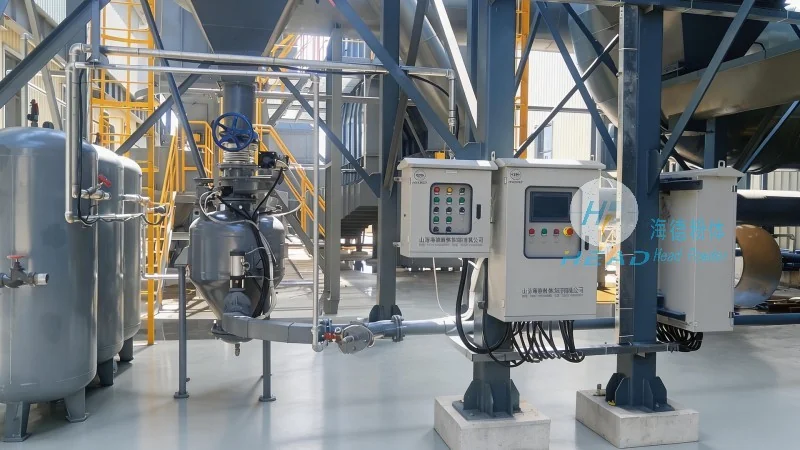
Small bag unpacking powder pneumatic conveying systems represent a sophisticated approach to handling bulk powders efficiently. This technology is designed to automate the process of transferring powders from sealed bags into processing equipment, ensuring minimal contamination and loss. The system integrates several key components, including a bag opener, a vacuum or pressure conveyor, and a filter system, working in concert to achieve seamless material transfer. Such systems are widely utilized by companies like Shandong HeadPowder Engineering Co., Ltd., which specializes in engineering solutions for material handling in various industrial sectors.
Principle of Operation
The core principle of small bag unpacking powder pneumatic conveying involves creating a controlled airflow to draw or push powder from the bag into a collection hopper or directly into the processing line. The system typically operates under negative pressure (vacuum) to draw powder from the bag, which is then conveyed through a pipeline to the destination. Key steps include bag opening, air suction to displace powder, and filtration to remove dust and particles from the air stream. The process ensures that the powder is transferred without manual handling, reducing human exposure to dust and improving operational safety.
Working Scene Characteristics
Small bag unpacking powder pneumatic conveying is widely applied in various industrial settings where bulk powders need to be handled safely and efficiently. Common applications include pharmaceutical manufacturing, food processing, chemical production, and material handling in research facilities. The system is particularly advantageous in environments where hygiene and contamination control are critical, as it minimizes direct human contact with the powder. Additionally, it is suitable for transferring powders with varying properties, such as fine powders, granules, or powders with moisture content, due to its adjustable airflow and filtration capabilities.
Key Components and Their Functions
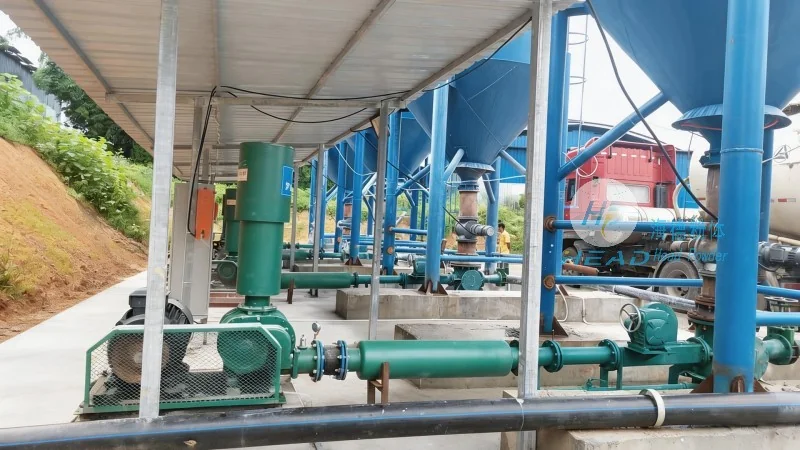
Several critical components make up a small bag unpacking powder pneumatic conveying system. The bag opener is responsible for cutting or tearing the bag open, allowing the powder to be accessed. The vacuum pump or blower generates the necessary airflow to move the powder. The filter system, often equipped with HEPA filters, ensures that the air released back into the environment is clean, preventing dust contamination. The conveying pipeline connects the bag opening station to the processing equipment, and the control system manages the entire process, including the timing of bag opening and the flow rate of the air.
Advantages and Benefits
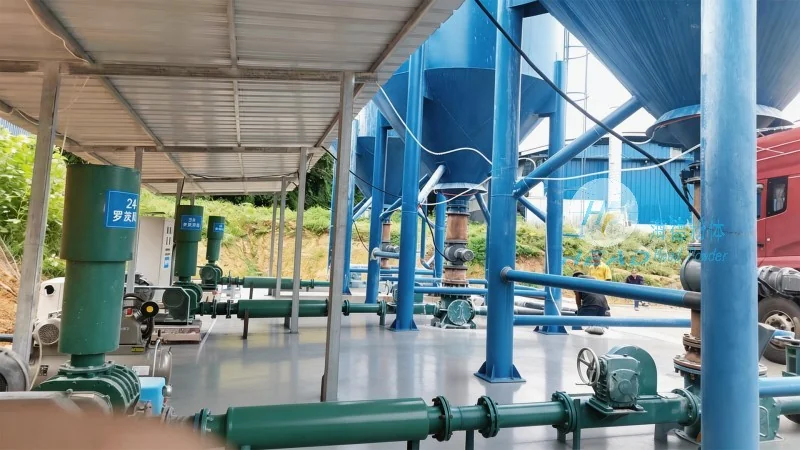
Implementing small bag unpacking powder pneumatic conveying offers numerous advantages. It significantly reduces labor costs by automating the material handling process, eliminating the need for manual bag emptying. The system also enhances safety by minimizing exposure to dust, which is a common health hazard in powder handling. Furthermore, it improves product quality by preventing contamination and loss during transfer. The compact design of these systems makes them suitable for installation in limited spaces, and their adjustable settings allow for handling a wide range of powder types and sizes.
Application Examples
In pharmaceutical manufacturing, small bag unpacking powder pneumatic conveying is used to transfer active pharmaceutical ingredients (APIs) and excipients into mixing and processing equipment. The system ensures that the powders are handled under sterile conditions, with minimal risk of cross-contamination. In food processing, it is employed to transfer ingredients like flour, sugar, and spices into production lines, maintaining hygiene standards. Chemical manufacturers use this technology to handle raw materials such as powders used in coatings or pigments, ensuring accurate dosing and preventing dust accumulation.




