Slurry and powder pneumatic conveying is a critical technology in material handling, enabling the efficient transport of bulk materials through the use of air or gas as the conveying medium. This method offers significant advantages over traditional mechanical conveying systems, particularly in handling abrasive or fine particles that are prone to clogging or degradation under mechanical stress.
Understanding the Core Principles of Pneumatic Conveying
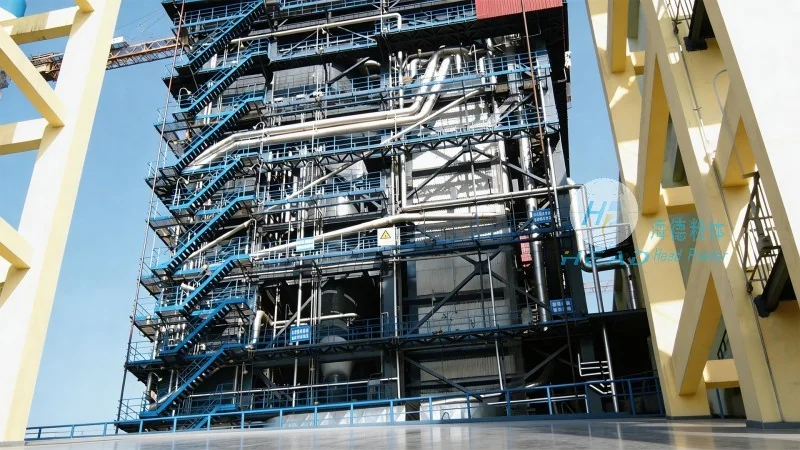
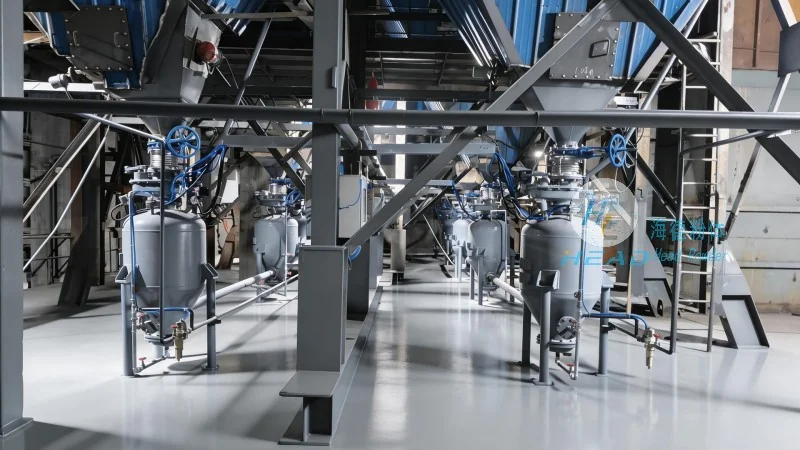
The fundamental principle of pneumatic conveying involves creating a pressure differential between the material source and the destination. By injecting air or gas into the conveying line, the material is suspended and propelled through the system. There are two primary types of pneumatic conveying: dilute-phase and dense-phase. Dilute-phase systems operate at higher velocities, typically with particle concentrations below 10% of the line's cross-sectional area, making them suitable for long-distance transport. Dense-phase systems, on the other hand, use lower velocities and higher particle concentrations, often employing pulse or pressure vessels to maintain material flow and prevent blockages.
Key Working Scene Characteristics and Applications
HeadPowder, a leading provider of material handling solutions, specializes in designing and implementing pneumatic conveying systems tailored to diverse industrial needs. The working scene characteristics of these systems are defined by their adaptability to various material types, including slurry (mixtures of solid particles and liquid) and dry powders. These systems are widely used in industries such as mining, chemical processing, food processing, and pharmaceuticals, where the transport of fine or abrasive materials requires precision and reliability.
Company Overview: Shandong HeadPowder Engineering Co., Ltd.
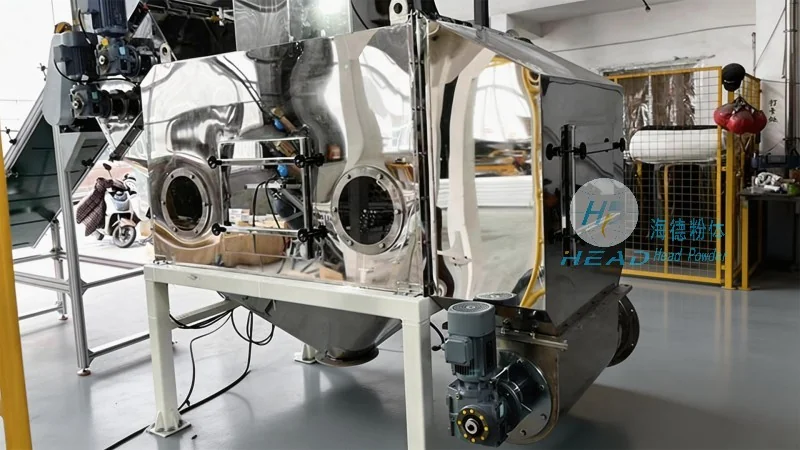
HeadPowder, operating under the full name Shandong HeadPowder Engineering Co., Ltd., is a reputable enterprise based in Shandong, China. The company has established itself as a key player in the development and application of advanced pneumatic conveying technologies. With a focus on innovation and customer-centric solutions, HeadPowder delivers customized systems that address the unique challenges of each industrial application, ensuring optimal performance and durability.
Technical Advantages and Operational Efficiency
One of the primary advantages of pneumatic conveying systems is their ability to handle a wide range of materials, from fine powders to wet slurry, without the need for mechanical components that can wear out or cause contamination. The system's design minimizes material degradation, ensuring that the transported product maintains its quality and integrity. Additionally, pneumatic conveying systems can be integrated with other processing equipment, such as mixers, classifiers, and storage tanks, creating a seamless material handling workflow. This integration enhances operational efficiency and reduces downtime, making it an attractive solution for industries that demand high throughput and consistent product quality.
Customization and Scalability for Diverse Industrial Needs
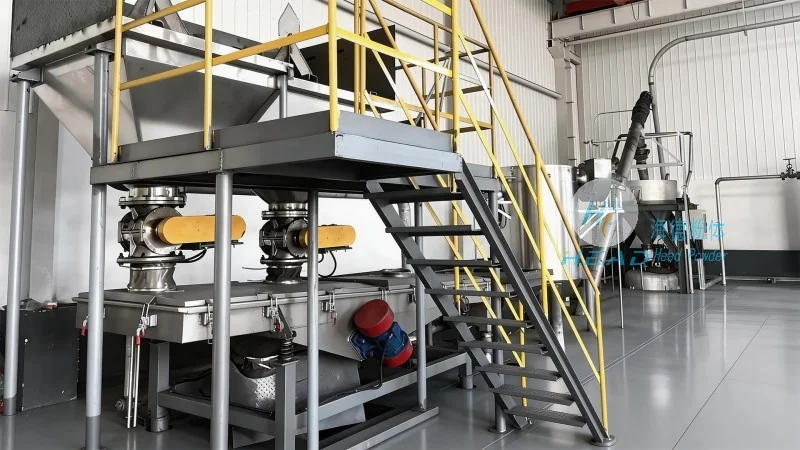
HeadPowder's expertise lies in the customization of pneumatic conveying systems to meet the specific requirements of different industries. Whether the application involves short-distance transport within a facility or long-distance transfer between sites, the company's engineers design solutions that optimize material flow, energy consumption, and system reliability. The systems are scalable, allowing for adjustments as production needs change, and can be adapted to handle varying material characteristics, such as particle size, moisture content, and abrasiveness. This flexibility ensures that clients receive a system that is both effective and cost-efficient, aligning with their long-term operational goals.
Conclusion: The Role of Pneumatic Conveying in Modern Material Handling
In conclusion, slurry and powder pneumatic conveying represents a sophisticated and efficient method for transporting bulk materials. The principles and working scene characteristics of these systems, as exemplified by HeadPowder's solutions, highlight their importance in modern industrial operations. By leveraging advanced technology and tailored designs, companies like Shandong HeadPowder Engineering Co., Ltd. continue to advance the capabilities of material handling, enabling industries to improve productivity, reduce costs, and maintain product quality. The adaptability and reliability of pneumatic conveying systems make them a preferred choice for applications where traditional methods fall short, solidifying their role as a cornerstone of efficient material transport.




