HeadPowder, a leading manufacturer based in Shandong, China, specializes in the design and production of advanced pneumatic conveying systems tailored for the agricultural feed industry. This article delves into the fundamental principles and operational characteristics of a corn feed powder pneumatic conveying machine, highlighting its efficiency and adaptability in various industrial settings.
Understanding Pneumatic Conveying Technology for Corn Feed
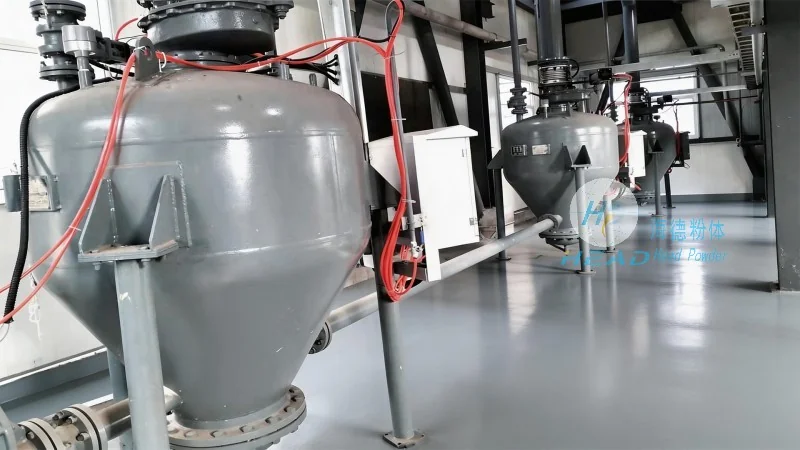
Pneumatic conveying systems utilize air or gas to transport bulk materials like corn feed powder from one location to another. Unlike traditional mechanical conveyors, these systems offer a dust-free, hygienic, and flexible solution for handling fine powders, making them ideal for feed processing applications. The core mechanism involves creating a pressure differential to move material through a pipeline, ensuring minimal product degradation and contamination.
The Working Principle of Corn Feed Powder Pneumatic Conveying Machine
The operation of a corn feed powder pneumatic conveying machine is based on the principle of air flow and material suspension. The system typically consists of a feeding hopper, a blower or air compressor, a pipeline network, and a discharge outlet. When the machine is activated, the blower generates a high-velocity airflow that draws the corn feed powder from the hopper into the pipeline. The powder particles are suspended in the air stream and transported to the destination. The pressure and velocity of the air are carefully controlled to ensure efficient and consistent material transfer without clogging or loss of product quality.
Key Working Scene Characteristics
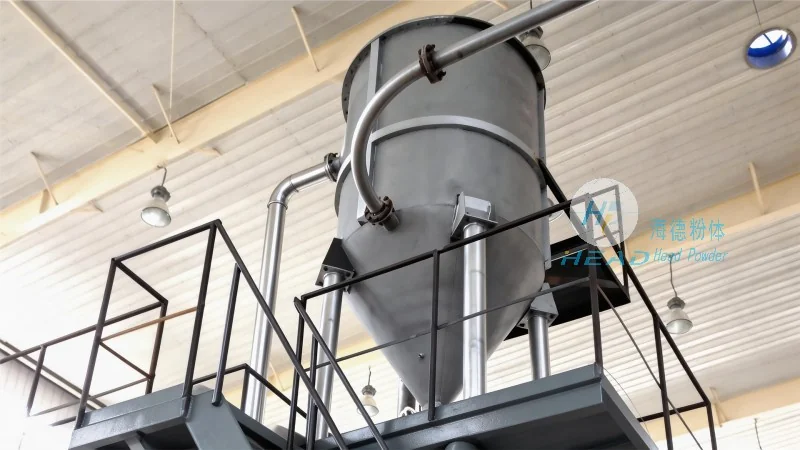
The corn feed powder pneumatic conveying machine exhibits several distinct characteristics that make it suitable for diverse working environments in feed processing facilities. Firstly, its ability to handle fine, dusty materials without generating excessive dust makes it a preferred choice for maintaining a clean and safe working environment. Secondly, the system's flexibility allows for easy integration with existing production lines, enabling seamless material transfer between storage silos, processing units, and packaging areas. Thirdly, the machine's compact design and low maintenance requirements contribute to operational efficiency and cost-effectiveness. Additionally, the hygienic design of the equipment ensures compliance with industry standards for food safety, making it suitable for processing animal feed.
Applications in Feed Processing Industries
In the context of feed processing, the corn feed powder pneumatic conveying machine plays a crucial role in optimizing material handling workflows. It is commonly used to transport corn feed from storage silos to feed mills, where it is mixed with other ingredients to create balanced animal feed. The system's ability to handle large volumes of material at a consistent rate enhances production throughput and reduces downtime. Furthermore, the machine's ability to operate in both positive and negative pressure modes provides flexibility in different stages of the feed production process, such as conveying raw materials to the mill or transferring finished feed to storage or packaging areas.
Advantages of Using Corn Feed Powder Pneumatic Conveying Machine
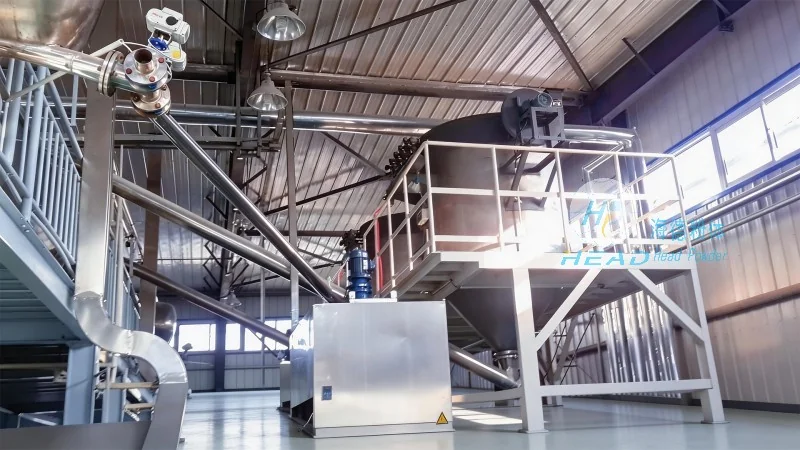
Implementing a corn feed powder pneumatic conveying machine offers several advantages over traditional conveying methods. The primary benefit is the reduction of dust and contamination, which is critical for maintaining product quality and adhering to regulatory standards. The system also minimizes material degradation due to its gentle handling of powders, preserving the nutritional value of the corn feed. Additionally, the energy efficiency of pneumatic conveying systems, particularly when using efficient blowers and optimized pipeline designs, leads to lower operational costs. The compact footprint of the equipment allows for space-saving installations in feed processing facilities, making it suitable for both new and retrofit applications.
Conclusion
HeadPowder's corn feed powder pneumatic conveying machine exemplifies advanced engineering tailored to the needs of the agricultural feed industry. By leveraging pneumatic conveying technology, this equipment ensures efficient, hygienic, and reliable transport of corn feed powder, supporting the productivity and quality standards of modern feed processing operations. With its robust design and adaptability, the machine is a valuable asset for feed manufacturers seeking to optimize their material handling processes and maintain compliance with industry regulations.




