HeadPowder, a leading provider in the field of material handling solutions, specializes in the design and implementation of pneumatic conveying systems tailored for zircon sand applications. This article delves into the fundamental principles of zircon sand pneumatic conveying and highlights the key characteristics of its operational scenarios, offering insights into how these systems efficiently transport zircon sand while ensuring optimal performance and reliability.
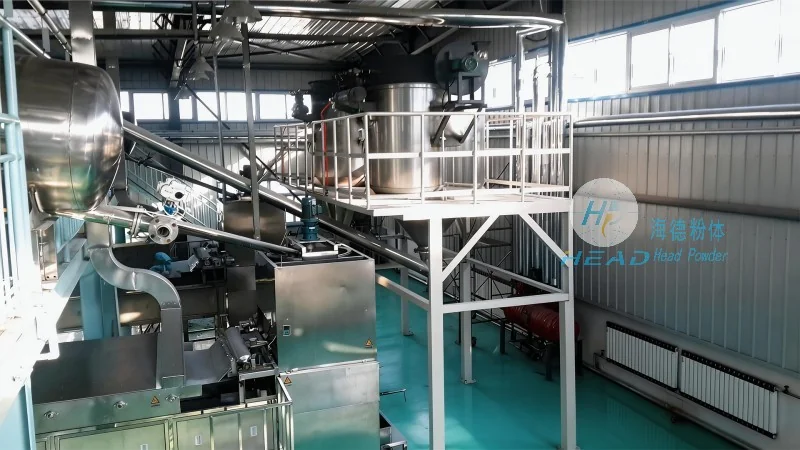
Understanding the Pneumatic Conveying Principle for Zircon Sand
Zircon sand, a critical raw material widely used in the production of ceramics, refractories, and other industrial applications, requires efficient and reliable transportation methods to maintain its quality and prevent degradation. Pneumatic conveying, a technology that uses air or gas to transport bulk materials through a pipeline system, has emerged as a preferred solution for zircon sand handling due to its ability to handle abrasive and high-density materials with minimal wear and tear on equipment. The core principle of pneumatic conveying involves creating a pressure differential within the pipeline, which propels the zircon sand particles through the system using compressed air or vacuum. This method eliminates the need for mechanical components like belts or buckets, reducing maintenance costs and improving overall system efficiency.
There are two primary types of pneumatic conveying systems used for zircon sand: pressure and vacuum systems. Pressure systems operate by injecting compressed air into the material stream at the inlet, creating a positive pressure that pushes the sand through the pipeline. This method is ideal for short to medium distance transport and is commonly used in processing plants where the zircon sand is produced and needs to be moved to storage or processing units. Vacuum systems, on the other hand, create a negative pressure at the inlet, drawing the zircon sand into the pipeline using a vacuum pump. Vacuum systems are particularly suitable for long-distance transport or when the material needs to be collected from multiple sources and transported to a central location. Both systems rely on the proper design of the pipeline, including the selection of appropriate pipe diameters, bends, and valves, to ensure smooth material flow and prevent blockages or material degradation.
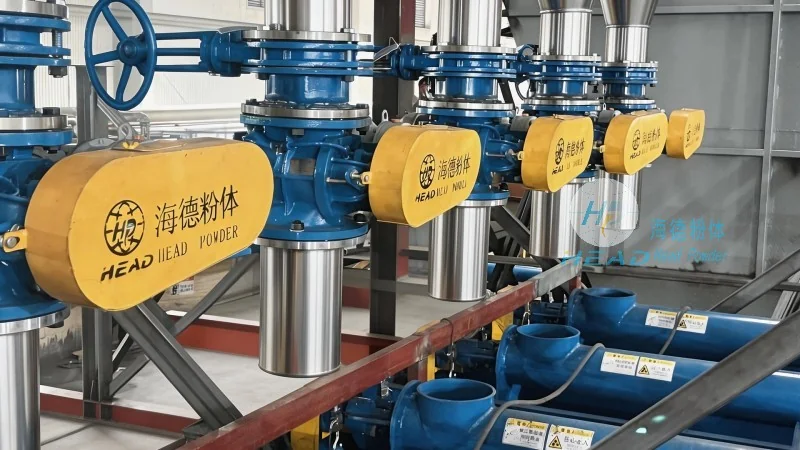
Key Working Scene Characteristics of Zircon Sand Pneumatic Conveying Systems
The operational characteristics of zircon sand pneumatic conveying systems are influenced by several factors, including the material properties, system design, and application requirements. One of the primary characteristics is the system's ability to handle abrasive materials without significant wear on the conveying components. Zircon sand is known for its high hardness and density, which can cause wear on traditional conveyor systems. Pneumatic conveying systems, however, use smooth, corrosion-resistant pipes and specialized valves that are designed to withstand the abrasive nature of zircon sand, ensuring long service life and minimal maintenance.
Another important characteristic is the system's efficiency in maintaining the quality of the zircon sand. Pneumatic conveying systems operate in a closed environment, which prevents exposure to moisture, dust, or other contaminants that could affect the material's purity. This is crucial for zircon sand, as even small amounts of impurities can impact the final product's quality in applications such as ceramic manufacturing. The closed system also reduces the risk of dust emissions, making it a more environmentally friendly option compared to traditional bulk handling methods.
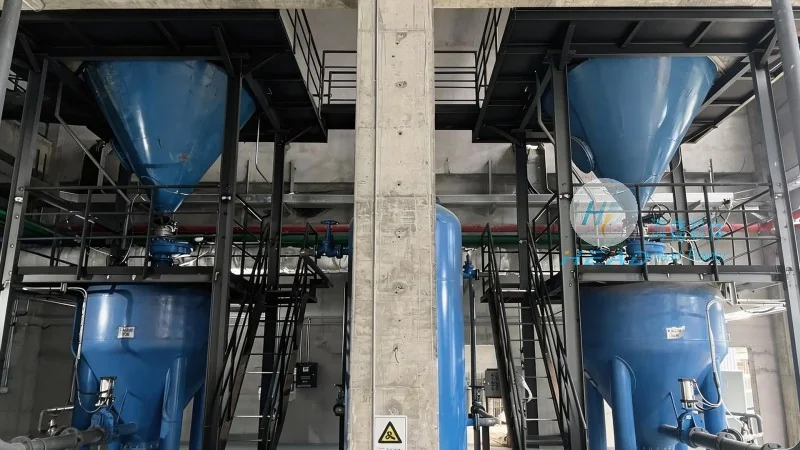
Operational flexibility is another key characteristic of zircon sand pneumatic conveying systems. These systems can be easily integrated into existing production lines or modified to accommodate changes in production volume or material specifications. For example, the system can be adjusted to handle different particle sizes or moisture content of zircon sand without requiring significant modifications to the equipment. This flexibility makes pneumatic conveying systems a versatile solution for various industrial applications, from small-scale processing plants to large-scale manufacturing facilities.
Application Scenarios and Benefits in Industrial Settings
Zircon sand pneumatic conveying systems are widely used in various industrial settings, including mining, processing, and manufacturing facilities. In mining operations, these systems are used to transport zircon sand from extraction sites to processing plants, where it is further refined and prepared for use. The high efficiency and reliability of pneumatic conveying systems make them ideal for this application, as they can handle large volumes of material over long distances with minimal downtime.
In processing plants, zircon sand pneumatic conveying systems are used to move the material from storage silos to processing equipment, such as grinding mills or classifiers. The ability of these systems to maintain the material's quality and prevent contamination is particularly important in this stage, as the zircon sand is being prepared for use in high-value applications like ceramic tiles or refractory bricks. The closed system design and controlled flow rates of pneumatic conveying ensure that the material is handled with precision, reducing the risk of defects or waste.
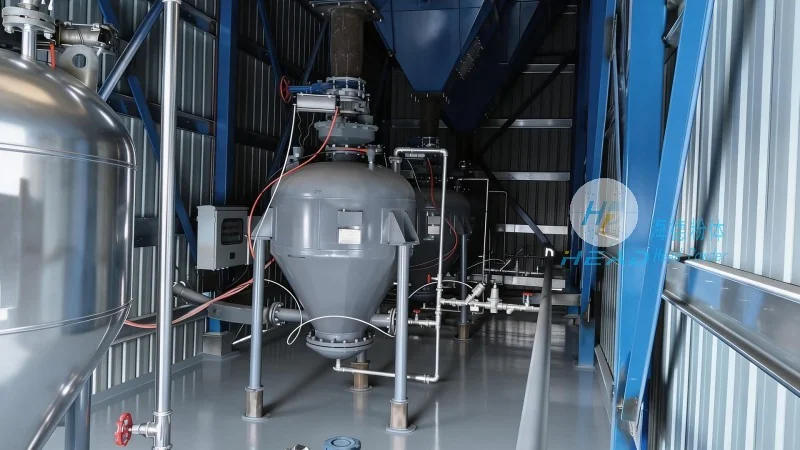
In manufacturing facilities, zircon sand pneumatic conveying systems are used to transport the material from processing units to storage or packaging areas. The efficiency and reliability of these systems help to streamline production processes, reducing the time and cost associated with material handling. Additionally, the ability to integrate these systems with other automation technologies, such as sensors and control systems, enhances overall operational efficiency and provides real-time monitoring of the material flow.
Conclusion and Company Overview
HeadPowder Engineering Co., Ltd., based in Shandong, China, is a trusted partner in the design and implementation of zircon sand pneumatic conveying systems. With years of experience in the material handling industry, HeadPowder specializes in providing customized solutions that meet the unique needs of each client. The company's expertise in pneumatic conveying technology, combined with its commitment to quality and reliability, makes it an ideal choice for businesses seeking to optimize their zircon sand handling processes. By leveraging the principles and characteristics of pneumatic conveying, HeadPowder helps clients improve operational efficiency, reduce costs, and maintain the quality of their zircon sand products, ensuring long-term success in their respective industries.




