HeadPowder, a leading engineering firm based in Shandong, China, specializes in the design and implementation of advanced material handling solutions. This article explores the fundamental principles of pneumatic conveying for calcium powder materials and highlights key application scenarios where such systems excel in industrial operations.
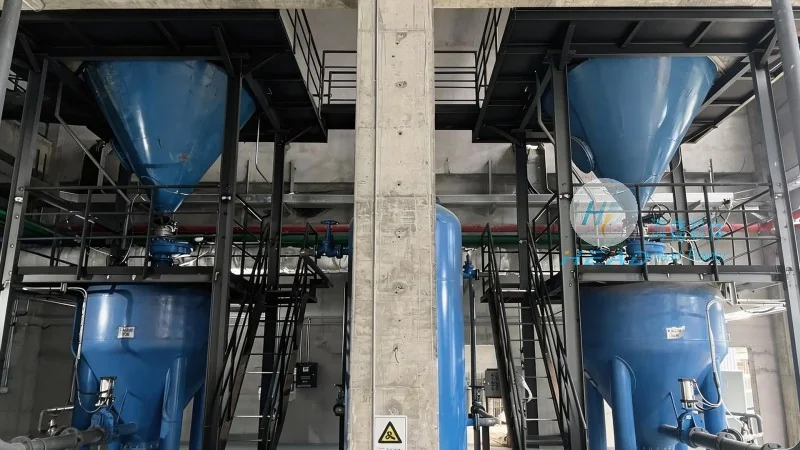
Introduction to Pneumatic Conveying for Calcium Powder
Pneumatic conveying is a widely adopted method for transporting bulk materials, including fine powders like calcium powder, through a pipeline using air or other gases. Unlike mechanical conveying systems that rely on belts, buckets, or screws, pneumatic systems utilize the kinetic energy of moving air to move materials, offering advantages such as flexibility, low maintenance, and the ability to handle materials in a closed environment, which is crucial for dust control and material purity.
Key Principles of Pneumatic Conveying
The core principle of pneumatic conveying involves creating a flow of air within a pipeline that transports the powder. Two primary types of systems are commonly used: positive pressure and negative pressure (or vacuum) systems. Positive pressure systems generate air pressure at the material inlet, pushing the powder through the pipeline, while negative pressure systems create a vacuum at the discharge end, drawing the material in. For calcium powder, which is often fine and prone to dust generation, positive pressure systems are frequently preferred as they allow for better control over material flow and reduce the risk of clogging or blockages in the pipeline.
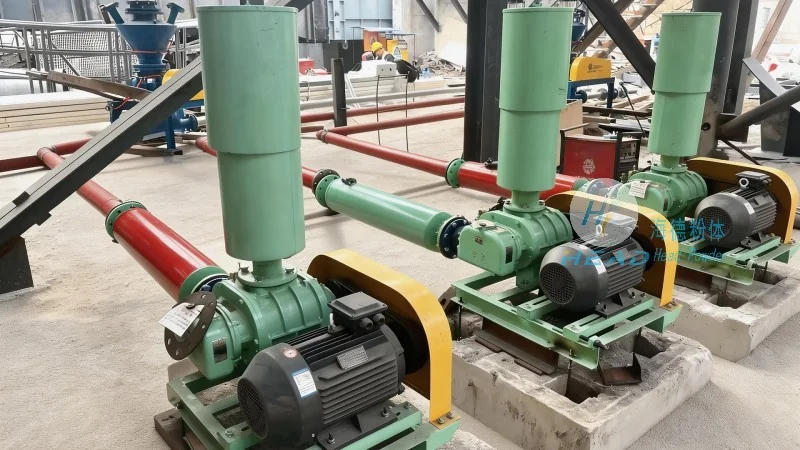
Material properties play a critical role in determining the most suitable conveying method. Calcium powder typically has a relatively low bulk density and can be abrasive or sensitive to moisture. These characteristics influence the choice of air velocity, pipeline diameter, and the use of special components like cyclones or filters to ensure efficient and reliable transport. The design of the system must account for factors such as the powder's particle size distribution, flowability, and potential for agglomeration, as these affect the overall performance and efficiency of the conveying process.
Application Scenarios for Calcium Powder Pneumatic Conveying
Industrial applications of pneumatic conveying for calcium powder are diverse and span multiple sectors. In the chemical industry, calcium powder is often used as a raw material in the production of calcium carbonate, calcium chloride, or other calcium-based compounds. Pneumatic systems are ideal for transporting these materials from storage silos to processing units, ensuring a continuous and dust-free supply. The food industry also utilizes calcium powder in products like fortified foods or supplements, where maintaining product purity and preventing contamination is paramount. Pneumatic conveying helps maintain the quality of the powder by keeping it isolated from external contaminants.
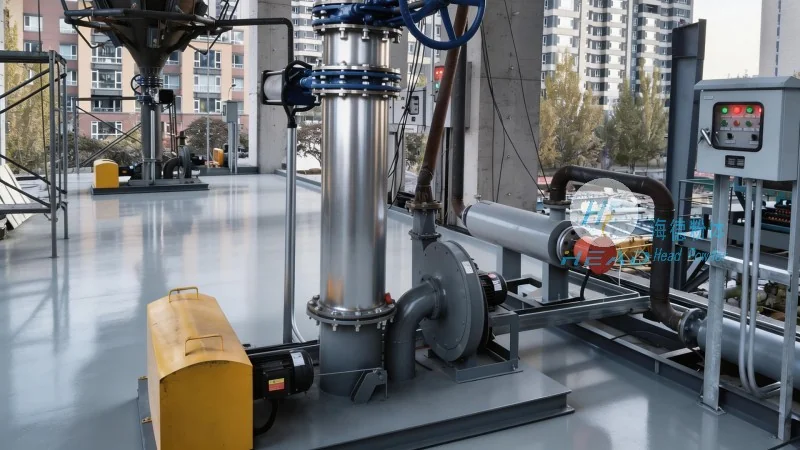
In the construction and building materials sector, calcium powder is used in the production of cement, plaster, or concrete additives. Here, the ability of pneumatic systems to handle large volumes of material efficiently is advantageous, as it supports high-throughput production lines. The systems can be integrated with batching and mixing equipment, allowing for precise control over the amount of calcium powder added to the final product. Additionally, in pharmaceutical manufacturing, calcium powder is used in the formulation of drugs or supplements, where stringent quality standards require clean and controlled handling. Pneumatic conveying ensures that the material is handled hygienically and without exposure to external elements.
Advantages and Considerations in Pneumatic Conveying for Calcium Powder
Implementing pneumatic conveying for calcium powder offers several benefits. The closed system design minimizes dust emissions, which is essential for maintaining a safe and compliant workplace environment. It also reduces material loss and improves overall material recovery rates compared to open or mechanical systems. Furthermore, pneumatic systems can be easily integrated with other processing equipment, allowing for seamless material flow from storage to processing and packaging stages.
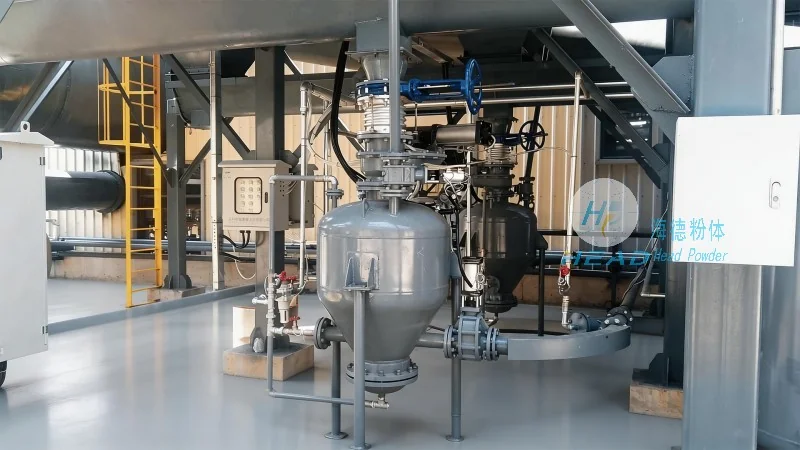
However, there are considerations to keep in mind when designing and operating such systems. The high air velocities required for fine powders can lead to increased energy consumption, which may impact operational costs. Additionally, the risk of pipeline blockages or clogging is higher with calcium powder due to its fine particle size and potential for agglomeration. Proper system design, including the use of filters, cyclones, and regular maintenance, is crucial to mitigate these issues and ensure reliable operation. HeadPowder, with its expertise in material handling engineering, provides tailored solutions that address these challenges, optimizing the performance and efficiency of pneumatic conveying systems for calcium powder applications.
Conclusion
Pneumatic conveying represents a robust and efficient method for handling calcium powder materials in various industrial applications. By understanding the fundamental principles and application scenarios, industries can leverage this technology to enhance productivity, maintain material quality, and ensure safe operation. With its deep understanding of material properties and engineering expertise, Shandong HeadPowder Engineering Co., Ltd. continues to provide innovative solutions that meet the evolving needs of industries relying on calcium powder in their production processes.




