HeadPowder, a leading provider in the field of material handling solutions, specializes in the design, manufacturing, and implementation of advanced pneumatic conveying systems tailored for zinc powder and similar fine powders. This article delves into the fundamental principles of pneumatic conveying technology and highlights the key application scenarios where such systems excel in industrial settings.
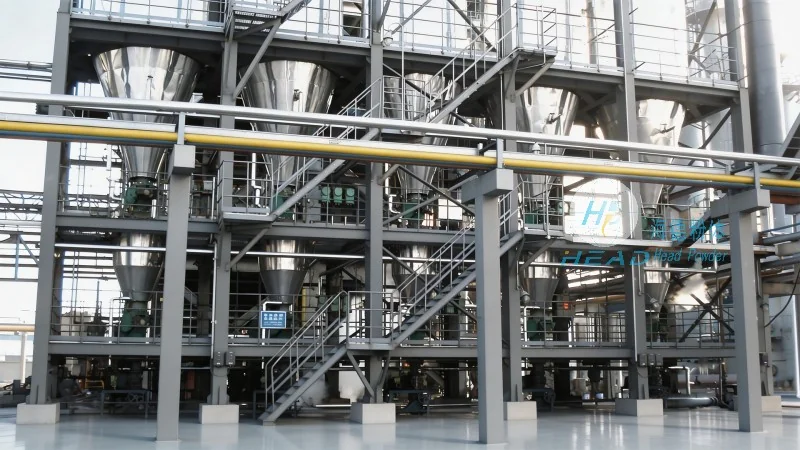
Understanding Pneumatic Conveying: The Core Mechanism
Pneumatic conveying, also known as air conveying, is a method of transporting bulk materials through a pipeline using a stream of pressurized or vacuum air. For zinc powder, which is typically a fine, abrasive, and potentially reactive material, the choice of conveying system is critical to ensure efficiency, safety, and product integrity. The core principle involves creating a flow of air that lifts and transports the powder particles through the pipeline. This can be achieved through either pressure-based systems (where air is forced into the system to push the material) or vacuum-based systems (where air is drawn out to pull the material). The selection of the appropriate system depends on factors such as the material's properties, the distance to be conveyed, and the required flow rate.
Key Components of a Zinc Powder Pneumatic Conveying System
Effective pneumatic conveying for zinc powder relies on a series of interconnected components that work in harmony to ensure smooth operation. These components typically include a material feeder to introduce the powder into the system, a conveying line (usually made of stainless steel to resist corrosion from the zinc powder), a control system to regulate air pressure and flow, and a discharge unit to deliver the material to its destination. The material feeder is often designed with features such as a rotary valve or a screw feeder to prevent clogging and maintain a consistent flow rate. The conveying line may incorporate features like bends, expansions, or filters to minimize particle degradation and prevent system blockages. The control system, often integrated with sensors and automation, ensures that the conveying process is optimized for efficiency and safety, adjusting parameters in real-time based on system conditions.
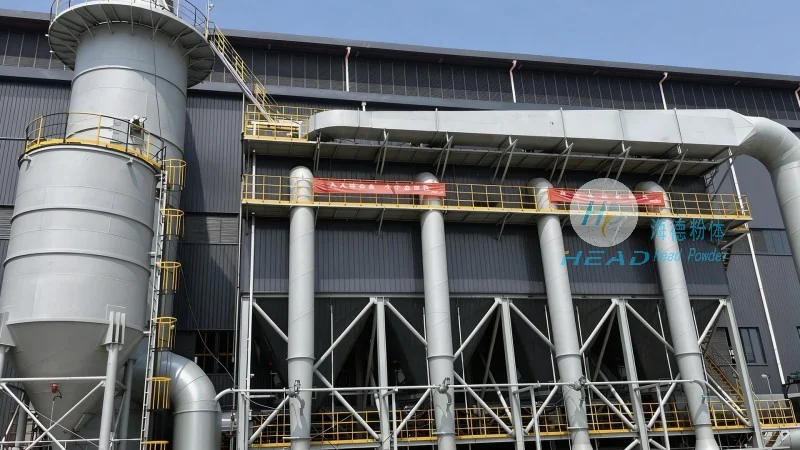
Advantages of Pneumatic Conveying for Zinc Powder Handling
Compared to traditional methods like belt conveyors or bucket elevators, pneumatic conveying offers several advantages when handling zinc powder. One of the primary benefits is the ability to transport materials in a closed system, which minimizes dust emissions and protects both the material and the environment from contamination. This is particularly important for zinc powder, which can be hazardous if inhaled or if it comes into contact with moisture, leading to corrosion or other chemical reactions. Additionally, pneumatic conveying systems can handle materials with high moisture content or those that are prone to agglomeration, as the air flow helps to break up clumps and maintain a consistent particle size distribution. The system also allows for flexible routing, enabling materials to be conveyed to multiple destinations from a single source, which can streamline production processes and reduce the need for multiple handling equipment.
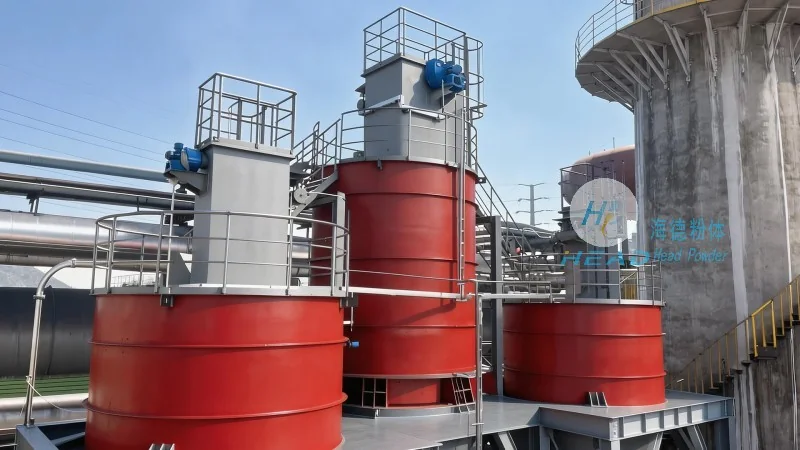
Common Application Scenarios for Zinc Powder Pneumatic Conveying
Pneumatic conveying systems for zinc powder are widely used in various industrial applications where the material needs to be transported efficiently and safely. One common scenario is in the production of zinc-based alloys, where zinc powder is mixed with other metals to create alloys for use in automotive, aerospace, and construction industries. The system can transport the zinc powder from storage silos to mixing equipment, ensuring a consistent and controlled feed rate that is crucial for achieving the desired alloy composition. Another application is in the manufacturing of zinc coatings, where the powder is used to apply a protective layer on metal surfaces to prevent corrosion. The pneumatic conveying system can deliver the zinc powder to the coating equipment, maintaining a uniform particle size and flow rate to ensure a high-quality coating. Furthermore, in the production of zinc oxide or other zinc compounds, the system is used to transport the powder from processing units to packaging or storage areas, minimizing dust exposure and ensuring product purity. In each of these scenarios, the pneumatic conveying system enhances operational efficiency, reduces labor costs, and improves product quality by providing a reliable and controlled method of material transport.
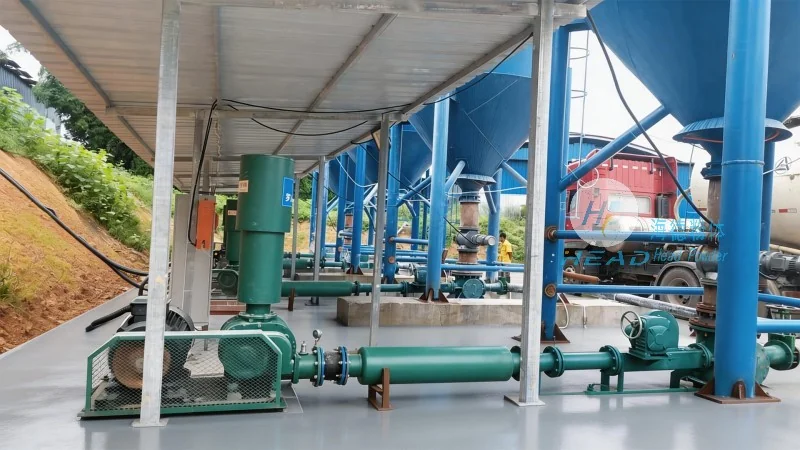
Customization and Integration: Tailoring Solutions for Specific Needs
HeadPowder recognizes that each industrial application has unique requirements, and therefore, offers customized pneumatic conveying solutions tailored to the specific needs of its clients. The company works closely with customers to understand their material characteristics, production processes, and operational goals, and then designs a system that meets those requirements. This may involve selecting the appropriate type of conveying system (pressure or vacuum), choosing the right materials for the components (such as stainless steel for corrosion resistance), and integrating the system with existing equipment or automation controls. The customization process also includes considerations for safety, such as explosion-proof designs for handling potentially reactive materials like zinc powder, and compliance with industry standards and regulations. By providing tailored solutions, HeadPowder ensures that its clients can achieve optimal performance, minimize downtime, and maximize the return on their investment in material handling equipment.
Conclusion: The Role of Pneumatic Conveying in Modern Zinc Powder Handling
In conclusion, pneumatic conveying is a highly effective and versatile method for handling zinc powder and other fine powders in industrial settings. The technology offers numerous advantages, including closed system operation, flexibility in routing, and the ability to handle materials with specific properties. By understanding the core principles and components of a pneumatic conveying system, as well as the key application scenarios where it excels, industries can make informed decisions about implementing such systems to improve their material handling processes. HeadPowder, with its expertise in the field, continues to provide advanced pneumatic conveying solutions that meet the evolving needs of its clients, ensuring efficient, safe, and reliable transport of zinc powder and other materials in various industrial applications.




