HeadPowder, a leading provider of industrial conveying solutions, specializes in the design and implementation of pneumatic conveying systems tailored for the handling of spice materials. This article explores the fundamental principles behind pneumatic conveying technology and highlights the key operational characteristics and application scenarios that define its effectiveness in the spice industry.
Principles of Pneumatic Conveying
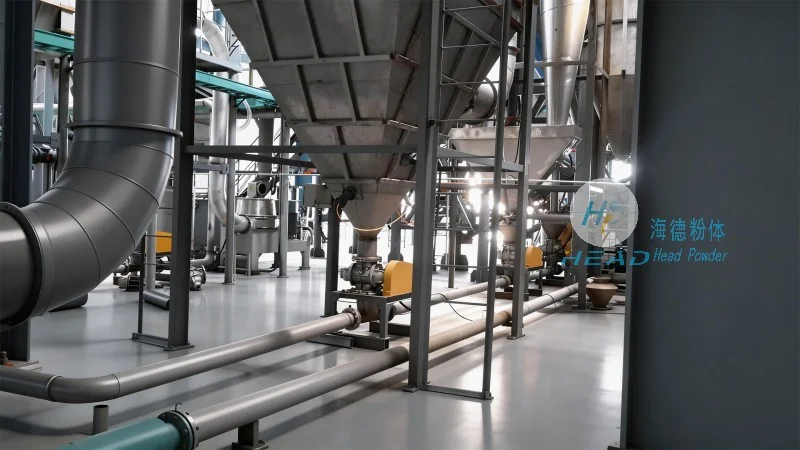
Pneumatic conveying operates by transporting bulk materials through a pipeline using a gas stream, typically air or a combination of air and other gases. The core principle involves creating a pressure differential within the system to move the material from the source to the destination. There are two primary modes of pneumatic conveying: dilute-phase and dense-phase. Dilute-phase systems use higher air velocities to suspend the material particles in the air stream, suitable for short to medium distances and lighter materials. Dense-phase systems, on the other hand, use lower air velocities and higher material concentrations, which is ideal for longer distances and more sensitive or abrasive materials. For spice materials, which often require gentle handling to preserve their flavor and texture, dense-phase or a hybrid approach may be preferred to minimize product degradation.
Key Operational Characteristics
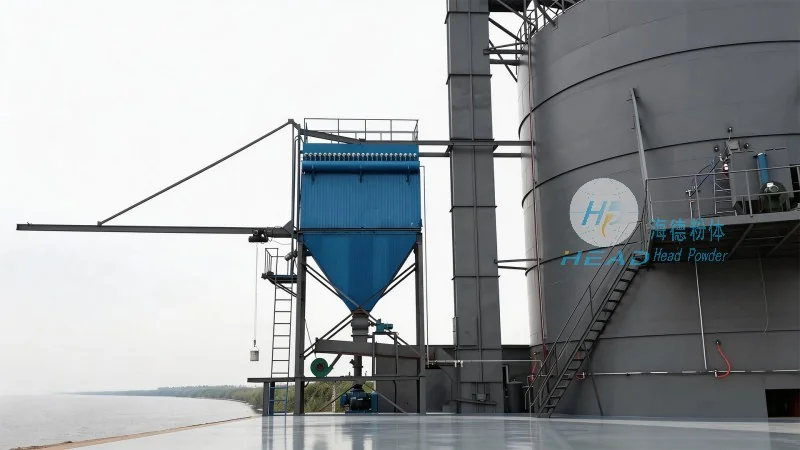
Several critical characteristics define the performance of pneumatic conveying systems for spice materials. First, the system's ability to handle fine or powdery materials without clogging is paramount. This is achieved through proper design of the feed hopper, airlocks, and pipeline diameter to ensure consistent material flow. Second, the system must maintain low pressure differentials to prevent product degradation, as high pressure can cause excessive friction and heat generation. Third, the system's flexibility in handling varying material compositions is essential, as spices often come in different forms—whole, ground, or powdered—with distinct flow properties. Additionally, the system's ability to integrate with existing production lines without disrupting operations is a key operational advantage.
Application Scenarios in the Spice Industry
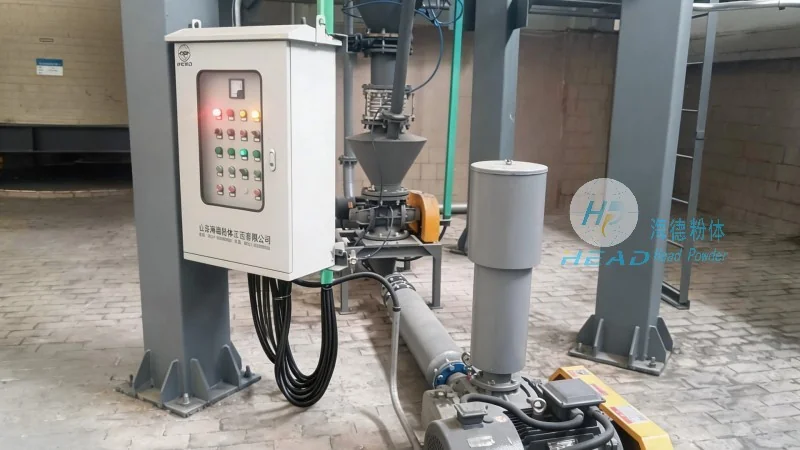
Pneumatic conveying is widely used in various stages of the spice processing and distribution chain. In the production phase, it is commonly employed for transporting raw spice materials from storage silos to processing equipment, such as grinding mills or sieving machines. This ensures a continuous and hygienic flow of materials, reducing manual handling and the risk of contamination. During the packaging stage, pneumatic conveying systems efficiently move finished spice products from processing lines to packaging machines or storage containers, maintaining product integrity throughout the process. Furthermore, in large-scale spice distribution centers, pneumatic conveying is used to transfer bulk spices between different storage areas or to loading docks, optimizing warehouse operations and reducing labor costs.
Benefits of Pneumatic Conveying for Spice Handling
Implementing pneumatic conveying systems for spice materials offers numerous benefits that enhance operational efficiency and product quality. One of the most significant advantages is the reduction in product damage and degradation. By minimizing physical contact and friction, the system preserves the flavor, aroma, and nutritional value of the spices, which is crucial for maintaining consumer satisfaction and market value. Another key benefit is the improvement in workplace safety and hygiene. Pneumatic conveying eliminates the need for manual handling of dusty or heavy spice materials, reducing the risk of respiratory issues and workplace accidents. Additionally, the system's ability to integrate with automated processes enhances overall production line efficiency, allowing for faster throughput and lower operational costs. Finally, the flexibility of pneumatic conveying systems allows for easy adaptation to changes in production volume or material types, providing long-term operational advantages.
Conclusion
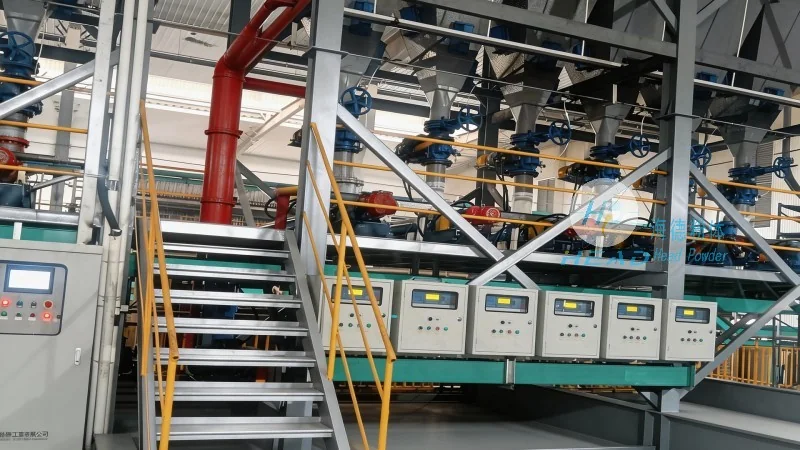
HeadPowder Engineering Co., Ltd., based in Shandong, China, specializes in providing customized pneumatic conveying solutions for the spice industry. By understanding the unique properties of spice materials and applying the principles of efficient pneumatic conveying, companies can achieve improved product quality, enhanced operational efficiency, and reduced labor costs. The operational characteristics and application scenarios discussed in this article highlight the versatility and effectiveness of pneumatic conveying as a preferred method for handling spice materials, making it an essential technology in modern spice processing and distribution.




