HeadPowder, a leading engineering company based in Shandong, China, specializes in the design and implementation of advanced pneumatic conveying systems tailored for the handling of pea materials. This article explores the fundamental principles behind pneumatic conveying technology and highlights the key characteristics of its application scenarios, providing a comprehensive overview for industry professionals seeking efficient and reliable material transport solutions.
Company Overview
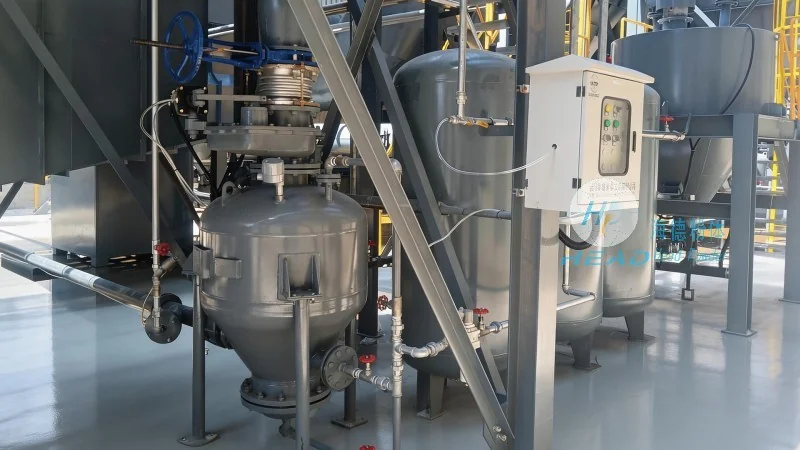
HeadPowder Engineering Co., Ltd. is a reputable enterprise dedicated to delivering innovative engineering solutions for material handling and processing. With a strong presence in Shandong, China, the company has established itself as a trusted partner in the development of pneumatic conveying systems. By combining technical expertise with practical application knowledge, HeadPowder ensures that its solutions meet the specific demands of clients in the agricultural and food processing sectors, particularly those dealing with pea materials.
Principles of Pneumatic Conveying for Pea Materials
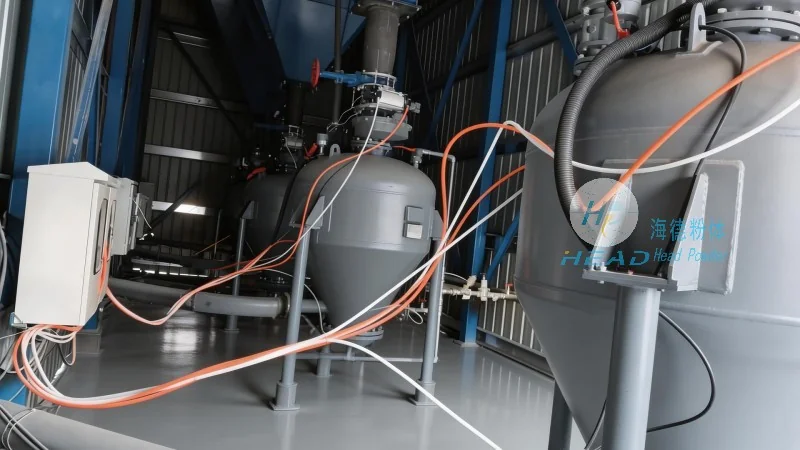
Pneumatic conveying is a method of transporting bulk materials like pea seeds or processed pea products through a pipeline using a flow of air or gas. The core principle involves creating a pressure differential within the system, which propels the material forward. There are two primary types of pneumatic conveying systems: pressure and vacuum. For pea materials, pressure systems are often preferred due to their ability to handle abrasive or sticky substances without causing excessive wear on equipment. The system typically consists of a hopper, a conveyor line, a control valve, and a receiver. The hopper feeds the pea material into the conveyor line, where it is mixed with air under pressure. The mixture travels through the pipeline to the receiver, where the material is separated from the air and collected. This process ensures a continuous and efficient flow of pea materials, minimizing downtime and operational costs.
Key Features and Advantages of Pneumatic Conveying for Pea Handling
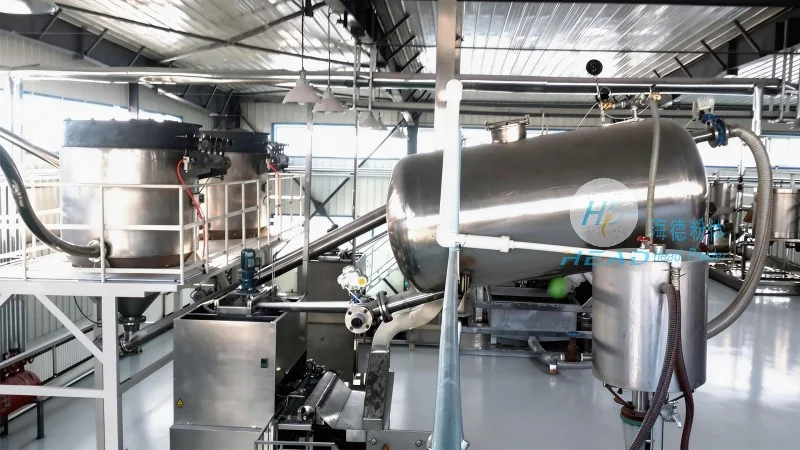
When applied to pea materials, pneumatic conveying systems offer several distinct advantages that make them an ideal choice for many processing facilities. First, the technology provides a clean and hygienic method of material transport, which is crucial for maintaining product quality and compliance with food safety regulations. Unlike mechanical systems that may introduce contaminants or cause material degradation, pneumatic conveying keeps the pea material in a controlled environment, reducing the risk of spoilage or contamination. Second, the system is highly flexible and can be easily integrated into existing processing lines. This adaptability allows for the expansion or modification of conveying routes as production needs change. Third, pneumatic conveying systems are capable of handling a wide range of pea products, from raw seeds to processed powders or pellets. The ability to transport different forms of pea materials without the need for additional equipment simplifies the overall processing workflow. Additionally, the technology reduces labor costs by automating the material transport process, allowing operators to focus on other critical tasks. Finally, the energy efficiency of modern pneumatic conveying systems contributes to lower operational expenses, making them a cost-effective solution for long-term use.
Common Application Scenarios for Pea Material Pneumatic Conveying
Pneumatic conveying systems for pea materials are widely used in various industrial settings, each with specific requirements that the technology addresses effectively. One common application is in the agricultural sector, where pea seeds are transported from storage bins to processing plants. The ability to handle large volumes of raw materials efficiently supports the smooth operation of seed processing facilities. Another key scenario is in the food processing industry, where processed pea products such as pea flour or pea protein are moved between different stages of production. For example, pea flour may be conveyed from a grinding mill to a packaging line, ensuring a continuous supply of raw material for the packaging process. Additionally, in the manufacturing of pea-based products like snack foods or animal feed, pneumatic conveying is used to transport pea pellets or powders from storage silos to production lines. The system's ability to maintain product integrity and prevent cross-contamination is particularly important in these applications, as it directly impacts the quality and safety of the final products. Furthermore, in research and development facilities, pneumatic conveying systems are utilized for testing and experimenting with different pea processing techniques, allowing scientists to transport small batches of pea materials with precision and control. This flexibility supports innovation and the development of new pea-based products in the market.
System Design Considerations for Optimal Pea Material Conveying
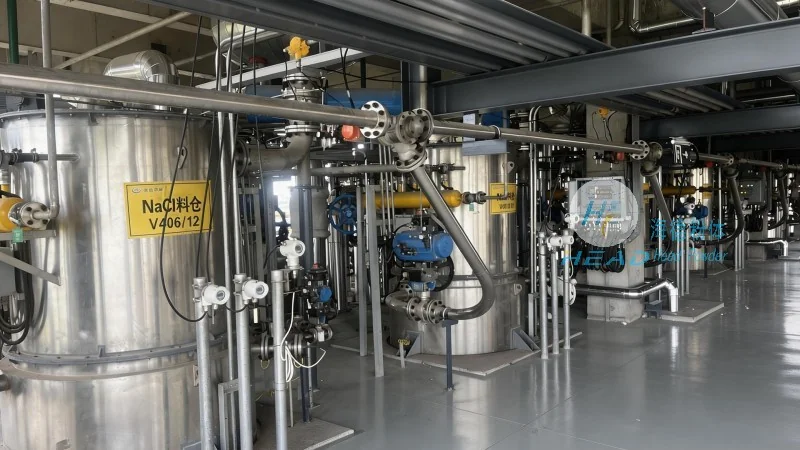
The effectiveness of a pneumatic conveying system for pea materials depends heavily on proper system design and configuration. Several key factors must be considered to ensure optimal performance and longevity of the equipment. First, the choice of pipeline material is critical. For pea materials, which can be abrasive or sticky, materials like stainless steel or high-density polyethylene are commonly used to prevent wear and corrosion. The diameter of the pipeline is also important, as it affects the velocity of the material-air mixture. A larger diameter may be required for high-volume conveying to maintain a consistent flow rate and prevent blockages. Second, the air pressure and flow rate must be carefully calibrated to match the characteristics of the pea material. For example, softer pea products may require lower air pressure to avoid damage, while harder seeds may need higher pressure to ensure efficient transport. The system's control valves play a vital role in regulating the air flow and material feed, ensuring that the conveying process remains stable and consistent. Third, the hopper and receiver design must be optimized to prevent material buildup and ensure smooth material flow. The hopper should be equipped with a suitable discharge mechanism to prevent clogging, while the receiver should have a proper venting system to maintain pressure balance. Finally, regular maintenance and monitoring are essential to keep the system operating at peak efficiency. This includes checking for wear and tear on components, cleaning the pipeline to prevent residue buildup, and monitoring air pressure and flow rates to detect any deviations from optimal performance.




