HeadPowder, a leading engineering company based in Shandong, China, specializes in the design and implementation of pneumatic conveying systems for PVC powder. This article explores the fundamental principles behind PVC powder pneumatic conveying and highlights the key characteristics of its operational scenarios, providing valuable insights for industries relying on efficient material handling solutions.
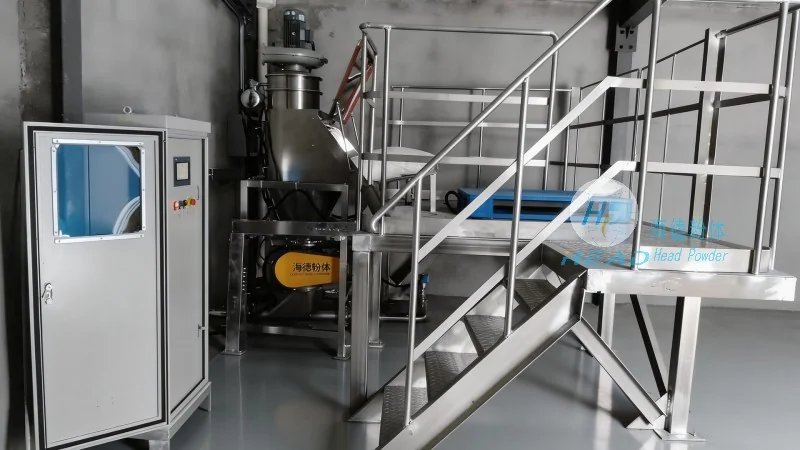
Understanding the Core Principles of PVC Powder Pneumatic Conveying
PVC powder pneumatic conveying is a method of transporting particulate materials like PVC powder through a pipeline using a stream of air or gas. The process involves creating a pressure differential within the system, which propels the powder particles forward. There are two primary types of pneumatic conveying systems: pressure and vacuum. Pressure systems use compressed air to push the material, while vacuum systems employ a vacuum to pull the material. For PVC powder, which is often fine and abrasive, the choice of system depends on factors such as the material's properties, the distance to be conveyed, and the required flow rate.
In a pressure system, a blower or compressor generates the necessary pressure, and the PVC powder is introduced into the pipeline at the inlet. The air and powder mixture travels through the pipeline, with the air providing the kinetic energy to move the powder. The system typically includes a hopper for material storage, a feeder to control the flow rate, and a receiver to collect the material at the destination. The design of the pipeline, including the diameter and bends, is critical to ensure efficient flow and minimize pressure drop. For PVC powder, which can be prone to bridging or agglomeration, proper hopper design and feeder selection are essential to maintain consistent material flow.
Key Operational Scenarios and Their Characteristics
The application of PVC powder pneumatic conveying spans various industrial settings, each with distinct requirements and operational characteristics. Understanding these scenarios is crucial for selecting the appropriate system configuration and ensuring optimal performance.
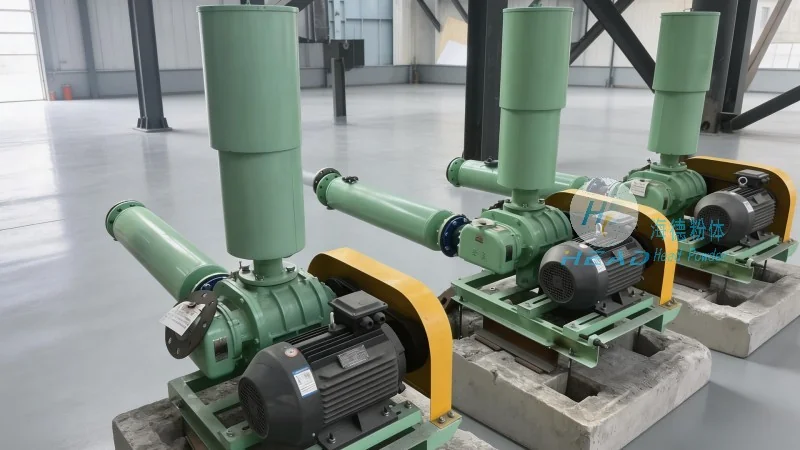
One common scenario is the transportation of PVC powder from a storage silo to a processing plant. In this case, the system must handle large volumes of material over relatively long distances, often requiring high-pressure or high-capacity systems. The key considerations include the need for consistent flow rates to match the processing plant's demand, and the ability to handle the abrasive nature of PVC powder without excessive wear on the system components. HeadPowder's expertise in material handling ensures that the system is designed to minimize maintenance and maximize efficiency in such applications.
Another scenario involves the transfer of PVC powder between different processing stages within a manufacturing facility. For example, moving powder from a mixing unit to a drying or extrusion unit. In these cases, the system must be integrated with existing equipment, requiring careful coordination of flow rates and pressure levels. The operational characteristics of this scenario include the need for precise control over the material's temperature and moisture content, as these factors can affect the quality of the final product. HeadPowder's engineering solutions address these challenges by providing customized systems that meet the specific requirements of each processing stage.
Advantages and Considerations in PVC Powder Pneumatic Conveying
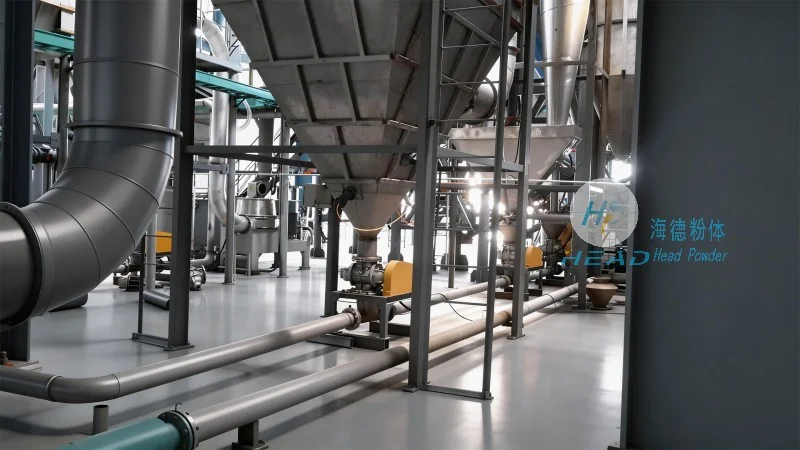
Pneumatic conveying offers several advantages over traditional methods like belt conveyors or bucket elevators, particularly for handling fine and abrasive materials like PVC powder. These advantages include the ability to transport materials in a closed system, reducing dust emissions and improving safety. The system also allows for gentle handling of the material, minimizing degradation and preserving its quality. Additionally, pneumatic conveying can be more flexible in terms of layout, as the pipeline can be routed around obstacles and adapted to changing production needs.
However, there are also considerations to keep in mind when implementing a PVC powder pneumatic conveying system. One of the main challenges is the potential for material buildup or blockages in the pipeline, especially with fine powders that can agglomerate. Proper system design, including the use of appropriate hopper angles and feeder types, is essential to prevent these issues. Another consideration is the energy consumption of the system, as pneumatic conveying can be more energy-intensive than other methods. HeadPowder's solutions are optimized for energy efficiency, using advanced blower technology and system design to minimize operational costs.
Conclusion and Company Expertise
PVC powder pneumatic conveying is a highly effective method for transporting fine and abrasive materials, offering advantages in efficiency, safety, and flexibility. The principles and operational scenarios discussed in this article highlight the importance of proper system design and material handling expertise. As a leading company in the field, Shandong HeadPowder Engineering Co., Ltd. provides comprehensive solutions for PVC powder pneumatic conveying, leveraging its experience and technical capabilities to meet the diverse needs of its clients. By understanding the core principles and operational characteristics of pneumatic conveying, industries can optimize their material handling processes and improve overall productivity.




