HeadPowder, a leading provider of material handling solutions, specializes in pneumatic conveying systems tailored for aluminum turnings. This article explores the fundamental principles of pneumatic conveying and highlights the key characteristics of its application scenarios, offering insights into efficient material transport in industrial settings. The company, based in Shandong, China, has extensive experience in designing and implementing customized material handling solutions for various industries.
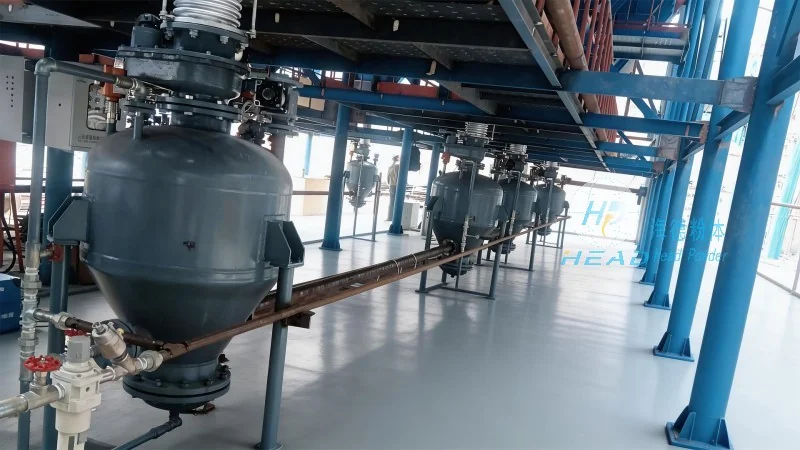
Pneumatic Conveying Principles for Aluminum Turnings
Pneumatic conveying is a method of transporting bulk materials, such as aluminum turnings, through a pipeline using air or gas as the conveying medium. The process involves creating a pressure differential or utilizing vacuum to move the material from the source to the destination. For aluminum turnings, which are typically lightweight and have a high specific surface area, specialized conveying systems are required to ensure optimal performance and minimize material degradation.
There are two primary types of pneumatic conveying systems: pressure (or positive pressure) systems and vacuum (or negative pressure) systems. Pressure systems use compressed air to push the material through the pipeline, while vacuum systems use a vacuum to pull the material. The choice between these systems depends on factors like the distance of transport, the material's characteristics, and the required throughput. For aluminum turnings, pressure systems are often preferred due to their ability to handle abrasive materials and maintain consistent flow rates.
A key component in pneumatic conveying systems is the conveying line, which consists of pipes, fittings, and valves. The design of the line, including its diameter and length, directly impacts the system's efficiency. For aluminum turnings, larger diameter pipes are generally recommended to reduce friction losses and prevent material buildup. Additionally, the use of smooth, corrosion-resistant materials for the pipes, such as stainless steel or special alloys, is crucial to prevent wear and ensure long-term durability.
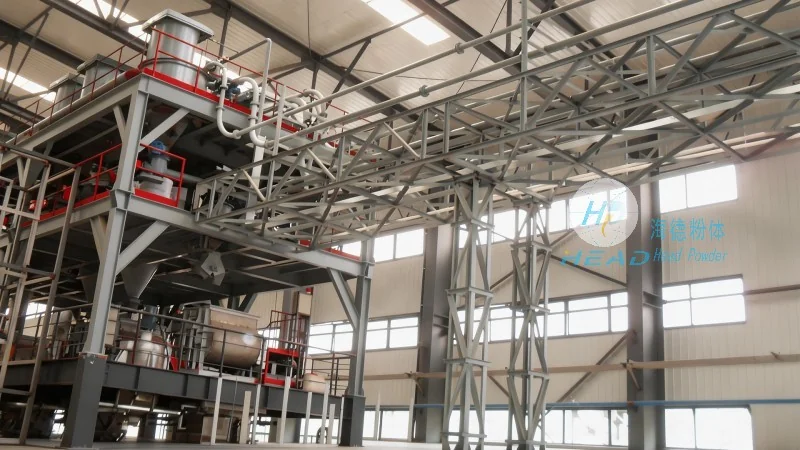
Working Scene Characteristics of Aluminum Turnings Pneumatic Conveying
The application of pneumatic conveying for aluminum turnings is prevalent in various industrial environments, each with distinct characteristics that influence system design and operation. These scenarios include:
1. Aluminum Casting and Foundry Operations In casting facilities, aluminum turnings are generated as a byproduct of the casting process. Pneumatic conveying systems are used to collect and transport these turnings from the casting area to storage or recycling facilities. The systems must handle high volumes of material and ensure that the turnings are conveyed without causing blockages or damage to the equipment. The presence of moisture or contaminants in the turnings may also require additional filtration or drying steps to maintain system efficiency.
2. Aluminum Processing and Milling Plants During the processing of aluminum, such as milling or grinding, small particles (turnings) are produced. These turnings need to be collected and transported to processing or recycling units. The systems in these plants often operate under high temperatures and may involve the use of heated air to prevent material caking or agglomeration. The design of the conveying line must account for thermal expansion and the potential for material degradation due to heat exposure.
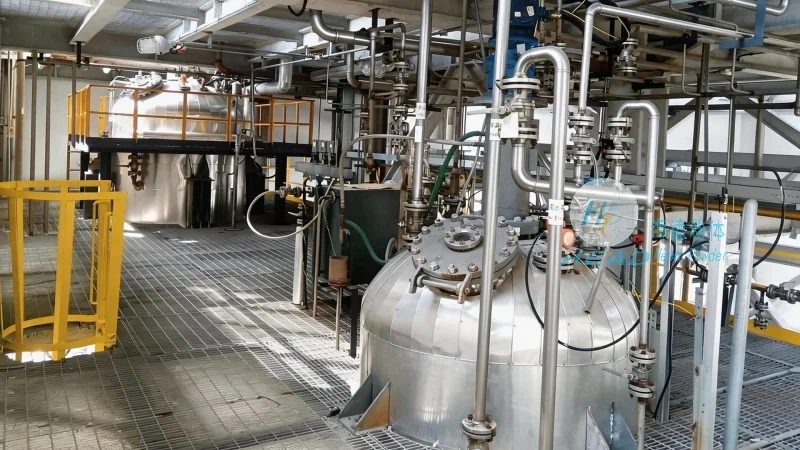
3. Aluminum Recycling Facilities Recycling plants rely on pneumatic conveying to transport aluminum turnings from collection points to processing equipment, such as crushers or furnaces. The systems in these facilities must be capable of handling a wide range of material sizes and densities. The use of flexible hoses or flexible connectors may be necessary to accommodate the movement of equipment or changes in the layout of the recycling plant. Additionally, the systems must be designed to minimize energy consumption and reduce operational costs.
Key Factors Influencing Pneumatic Conveying Performance
Several factors play a critical role in the effective operation of pneumatic conveying systems for aluminum turnings. These factors include:
Material Properties The physical characteristics of aluminum turnings, such as their size, shape, and density, significantly impact the conveying process. For example, fine or irregularly shaped turnings may require higher air velocities to prevent settling or blockages. The use of additives, such as lubricants or anti-static agents, may also be necessary to improve flow characteristics and prevent material buildup.
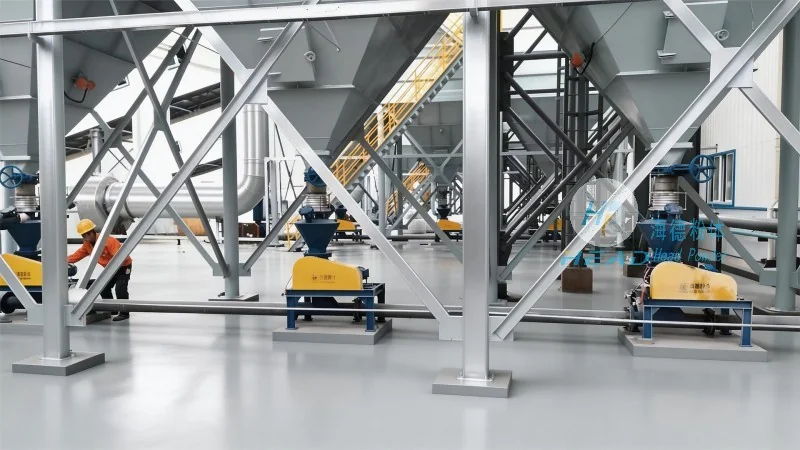
System Design and Configuration The design of the pneumatic conveying system, including the type of system (pressure or vacuum), pipe diameter, and length, is crucial for optimal performance. Proper sizing of the air compressor or vacuum pump is essential to maintain the required pressure or vacuum levels. The use of appropriate fittings, such as elbows, tees, and bends, can minimize pressure losses and ensure smooth material flow.
Operational Parameters The operational parameters, such as air velocity, pressure, and flow rate, must be carefully controlled to achieve efficient conveying. Monitoring these parameters in real-time allows for adjustments to be made to maintain optimal performance. The use of sensors and control systems can help detect blockages or other issues and trigger corrective actions, preventing system downtime.
Conclusion
Pneumatic conveying offers an efficient and reliable method for transporting aluminum turnings in various industrial applications. By understanding the fundamental principles of pneumatic conveying and the characteristics of the application scenarios, industries can select and implement the most suitable systems to meet their material handling needs. HeadPowder, with its expertise in material handling solutions, provides customized pneumatic conveying systems that address the unique challenges of aluminum turnings transport, ensuring optimal performance and long-term durability.




