Hot dry ash material pneumatic conveying is a critical process in industrial waste management and material handling, particularly for transporting high-temperature, dry ash from power plants or similar facilities. This method leverages the principles of air flow to move particulate materials through a pipeline system, offering advantages in efficiency, safety, and environmental compliance. The technology is essential for optimizing the handling of hot dry ash, which can be challenging due to its thermal properties and potential for dust generation.
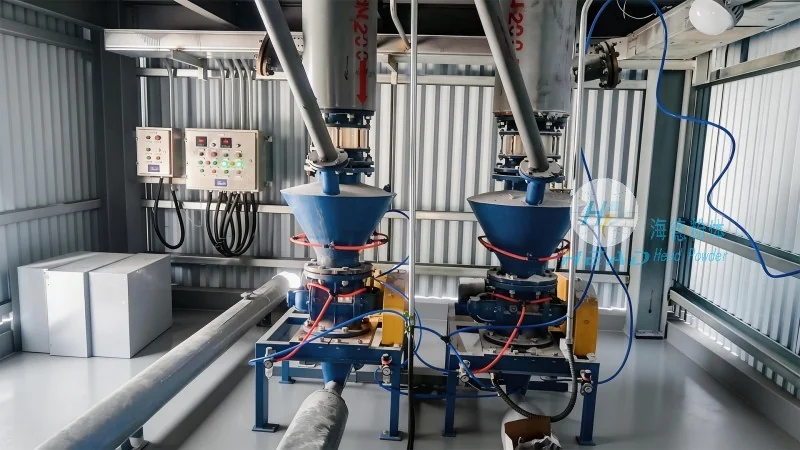
Introduction to Hot Dry Ash Pneumatic Conveying
Hot dry ash, typically produced from the combustion of coal or other fossil fuels in thermal power plants, requires specialized handling due to its high temperature and fine particulate nature. Conventional methods like gravity or mechanical conveyors may not be suitable for such materials, as they can lead to equipment damage, inefficient transport, or increased dust emissions. Pneumatic conveying systems provide a solution by using compressed air or gas to transport the ash through a sealed pipeline network. This approach minimizes the risk of dust contamination, reduces the need for manual handling, and enhances overall operational safety.
The Core Principle of Pneumatic Conveying for Hot Dry Ash
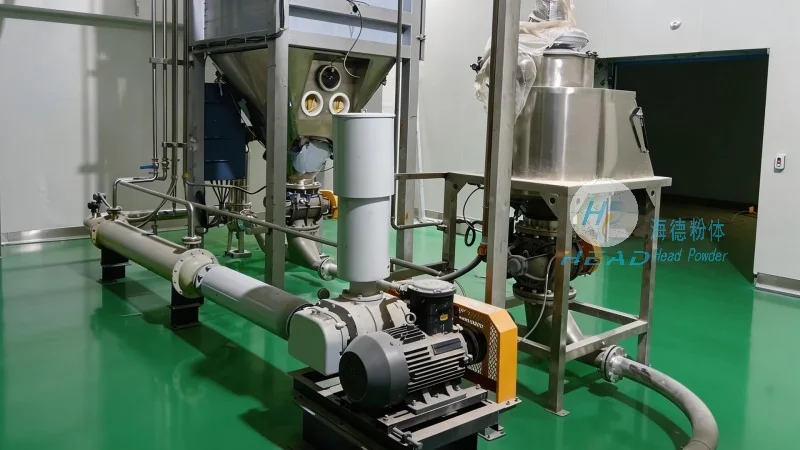
The fundamental principle of hot dry ash pneumatic conveying involves the creation of a flow of air or gas that entrains the ash particles within the pipeline. As the air moves at sufficient velocity, it lifts and transports the particles, maintaining them in suspension. This process relies on the balance between the air velocity and the particle size, density, and moisture content of the ash. For hot dry ash, which often has a high temperature and low moisture content, the conveying system must be designed to handle these thermal and physical characteristics without compromising performance or safety. The system typically includes a source of compressed air, a hopper or feeder to introduce the ash, a pipeline network, and a discharge point where the ash is deposited. The air flow is controlled to ensure consistent particle suspension and minimal pressure drop along the pipeline, which is crucial for maintaining the conveying efficiency.
Key Working Scenario Characteristics
Several key characteristics define the working scenarios of hot dry ash pneumatic conveying systems. First, the system must be capable of handling high-temperature materials, often exceeding 200°C, without degrading the conveying components or compromising the air flow. This requires the use of heat-resistant materials for the pipeline, valves, and other components, such as stainless steel or specialized alloys that can withstand thermal stress. Second, the system must manage the potential for dust generation and ensure that the conveying process is dust-tight to prevent environmental contamination. This is achieved through sealed pipelines, proper sealing of hoppers and discharge points, and the use of filtration systems at the discharge end. Third, the system must be designed for efficient material transport over varying distances and elevations. The air velocity and pressure must be optimized to ensure that the ash particles are fully suspended and transported without settling or causing blockages in the pipeline. Additionally, the system should be equipped with monitoring and control systems to adjust air flow and pressure in real-time, ensuring consistent performance and preventing system failures.
Applications and Industry Relevance
Hot dry ash pneumatic conveying is widely used in the power generation industry, where it is essential for transporting ash from boiler furnaces to storage or disposal facilities. The technology is also applicable in other industrial sectors, such as cement production, where ash is used as a raw material or fuel supplement. The ability to handle high-temperature and fine particulate materials makes this system particularly valuable in applications where conventional conveyors are unsuitable. By leveraging pneumatic conveying, industries can improve operational efficiency, reduce labor costs, and enhance environmental compliance by minimizing dust emissions and controlling the handling of hazardous materials.
Advantages of Hot Dry Ash Pneumatic Conveying
Compared to traditional conveying methods, hot dry ash pneumatic conveying offers several advantages. One of the primary benefits is the ability to handle high-temperature materials without the need for mechanical components that could be damaged by heat. The sealed pipeline system also reduces the risk of dust contamination, which is critical for maintaining air quality and preventing environmental violations. Additionally, pneumatic conveying systems can transport materials over long distances and varying elevations with minimal energy consumption, as the air flow can be optimized to achieve efficient particle suspension. The system is also relatively compact and can be integrated into existing industrial facilities, reducing the need for additional space or infrastructure. Furthermore, the automated nature of the system allows for consistent and reliable operation, with minimal human intervention required for routine maintenance or adjustments.
Challenges and Mitigation Strategies
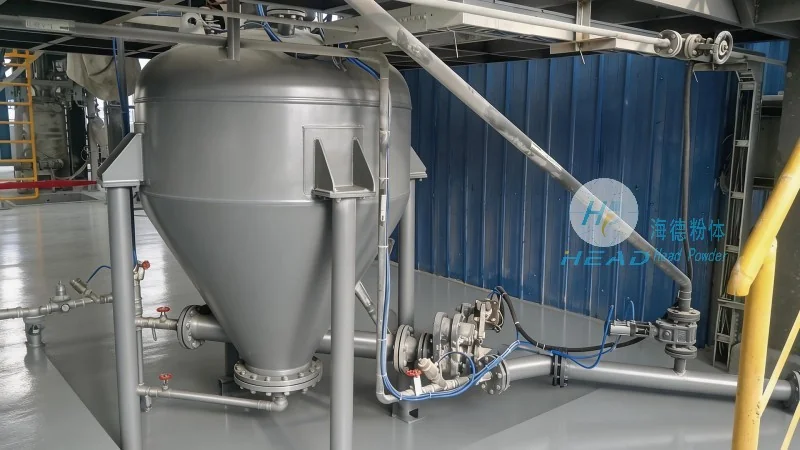
Despite its advantages, hot dry ash pneumatic conveying systems face several challenges that must be addressed to ensure optimal performance. One of the main challenges is the potential for pipeline blockages due to ash particle agglomeration or moisture buildup. This can be mitigated by maintaining proper air flow rates, using anti-caking agents or additives to prevent agglomeration, and implementing regular cleaning or maintenance procedures. Another challenge is the wear and tear on system components due to the abrasive nature of ash particles and the high temperatures involved. To address this, the use of wear-resistant materials, such as hardened steel or ceramic-lined components, is recommended. Additionally, the system must be designed to handle the thermal expansion and contraction of materials and components, which can cause stress on the pipeline and fittings. Proper insulation and expansion joints are essential to prevent damage and ensure long-term system reliability.
Conclusion
Hot dry ash material pneumatic conveying is a sophisticated and effective method for handling high-temperature, dry ash in industrial applications. By leveraging the principles of air flow and particle suspension, this technology offers significant advantages in efficiency, safety, and environmental compliance. The working scenario characteristics, including the need for heat-resistant materials, dust-tight sealing, and optimized air flow, are critical to the successful implementation of the system. As industries continue to focus on sustainable waste management and efficient material handling, hot dry ash pneumatic conveying will remain a vital technology in the power generation and related sectors. Companies like Shandong HeadPowder Engineering Co., Ltd., based in China, specialize in designing and manufacturing such systems, providing tailored solutions to meet the specific needs of industrial clients. Their expertise in handling hot dry ash materials ensures that clients can achieve reliable, efficient, and environmentally responsible material transport solutions.




