Automatic material feeding pneumatic conveying systems represent a sophisticated solution for material handling in various industrial applications. These systems are designed to efficiently transport bulk materials from a source to a destination through an air-driven process, offering significant advantages in terms of speed, flexibility, and safety compared to traditional mechanical conveyors. The core principle behind these systems involves the use of compressed air to create a flow of material particles, which are then carried through a network of pipes to the desired location.
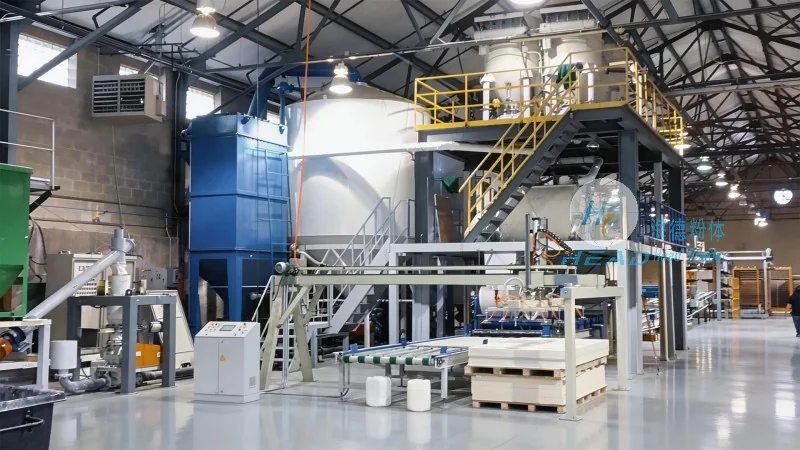
Key Principles of Pneumatic Conveying Technology
The fundamental principle of pneumatic conveying is based on the movement of material particles suspended in a stream of air. In a typical system, a material is introduced into a hopper or feeder, where it is then accelerated by a high-pressure air stream. This air stream, often generated by a blower or compressor, creates a pressure differential that propels the material through the conveying line. The system can operate in either positive pressure or negative pressure modes, depending on the application requirements. Positive pressure systems use compressed air to push material forward, while negative pressure systems use suction to draw material from a source. The choice between these modes depends on factors such as the distance of material transport, the nature of the material (e.g., dustiness, abrasiveness), and the overall system layout.
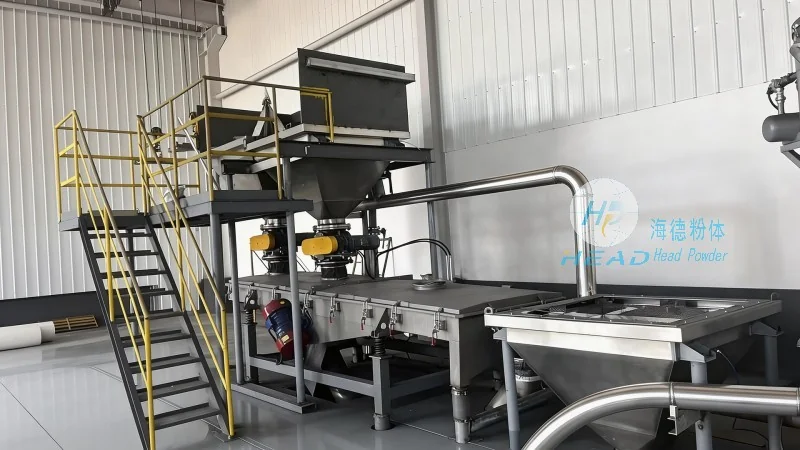
Working Scene Characteristics and Applications
Automatic material feeding pneumatic conveying systems are widely used across diverse industrial sectors, including pharmaceuticals, food processing, chemical manufacturing, and mining. Their adaptability to different material types and operational environments makes them a preferred choice for applications that require precise control over material flow and minimal human intervention. For instance, in the pharmaceutical industry, these systems are crucial for handling sensitive powders and granules, ensuring that the material remains sterile and free from contamination. In food processing plants, they are used to transport ingredients like flour, sugar, and spices, maintaining hygiene standards and preventing cross-contamination. The mining sector also benefits from these systems, as they can efficiently transport bulk minerals over long distances with minimal maintenance.
Advantages of Automatic Material Feeding Systems
One of the primary advantages of automatic material feeding pneumatic conveying systems is their ability to handle a wide range of materials, from fine powders to coarse granules. This versatility is achieved through the use of different conveying methods, such as dilute phase and dense phase transport. Dilute phase systems are suitable for short to medium distances and low to medium material loads, while dense phase systems are ideal for longer distances and higher material loads, as they provide more efficient material transport with less air consumption. Additionally, these systems offer high levels of safety, as they eliminate the need for manual handling of materials, reducing the risk of workplace accidents and exposure to hazardous substances. They also contribute to improved operational efficiency by automating the material feeding process, allowing for continuous production without interruptions.
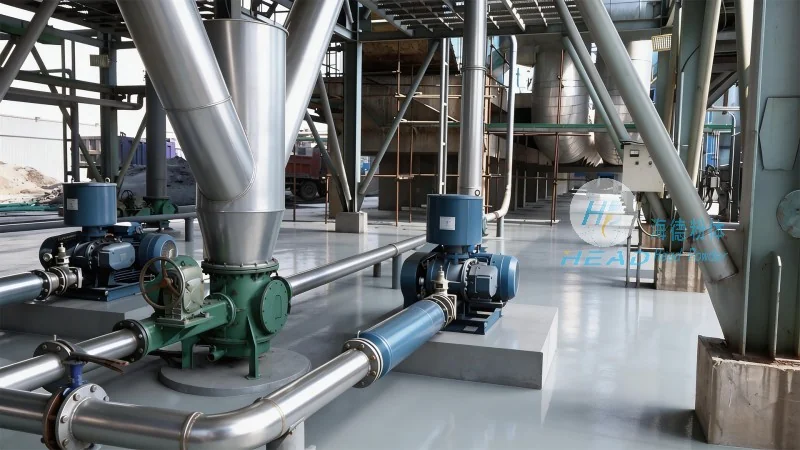
Company Profile: Shandong HeadPowder Engineering Co., Ltd.
HeadPowder, a leading manufacturer of material handling solutions, specializes in the design, development, and implementation of automatic material feeding pneumatic conveying systems. With a strong commitment to innovation and quality, the company has established itself as a trusted partner for industries seeking reliable and efficient material transport solutions. HeadPowder's systems are engineered to meet the specific needs of each client, ensuring optimal performance and durability. The company's headquarters is located in Shandong, China, where it leverages advanced technology and skilled expertise to deliver cutting-edge solutions to global markets.




