HeadPowder, a leading engineering company based in Shandong, China, specializes in the design, manufacturing, and implementation of advanced pneumatic conveying systems. This article delves into the fundamental principles and operational characteristics of low-pressure continuous material pneumatic conveying systems, highlighting their applications and benefits in various industrial settings.
The Core Principles of Low-Pressure Continuous Pneumatic Conveying
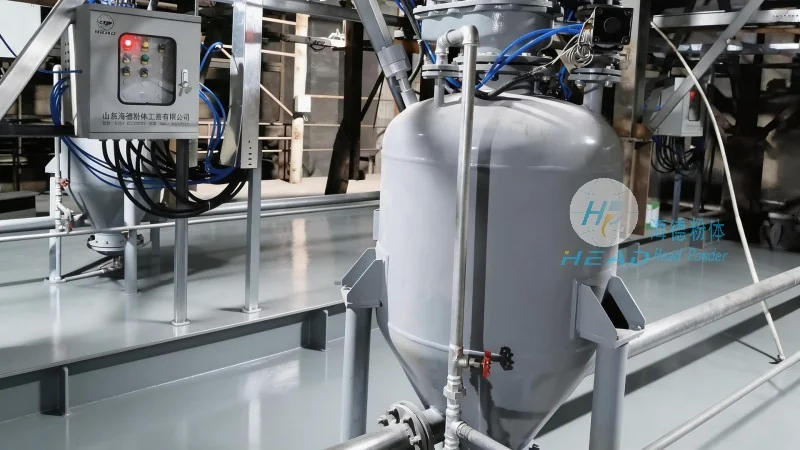
Low-pressure continuous material pneumatic conveying systems operate on the principle of using air as the primary medium to transport bulk materials. Unlike high-pressure systems, which rely on high velocity air to move materials, low-pressure systems utilize a steady, controlled airflow to maintain a consistent flow rate. The system typically consists of a hopper, a conveyor line, and a receiver, with the material being fed into the hopper and then drawn into the conveyor line by the air flow. The air pressure in these systems is usually maintained between 0.5 to 2 bar, which is sufficient to overcome the friction and gravitational forces acting on the material particles. This approach ensures efficient material transport while minimizing energy consumption and wear on components.
Key Working Scene Characteristics
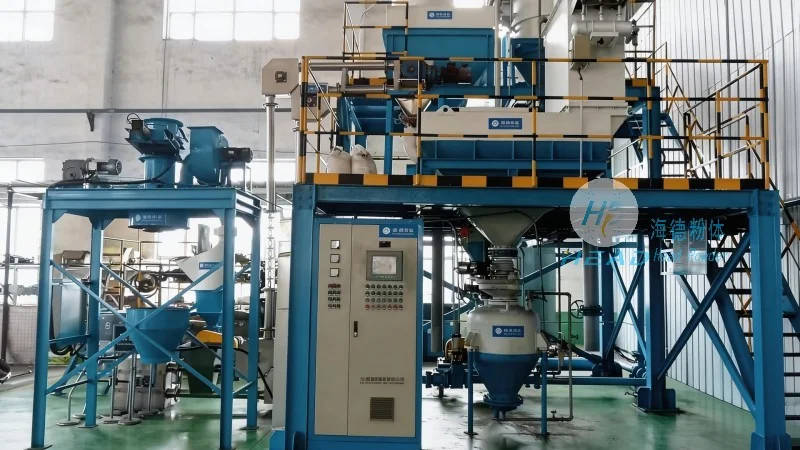
The working scene characteristics of low-pressure continuous material pneumatic conveying systems are tailored to meet the demands of various industrial applications. These systems are particularly suitable for transporting materials that are prone to dust generation, such as powders, granules, and fine particles. The continuous operation mode ensures a steady supply of material, which is crucial for processes that require a consistent flow rate, such as blending, mixing, and packaging. Additionally, the low-pressure design reduces the risk of material degradation and equipment damage, making it ideal for sensitive materials like food products, pharmaceuticals, and chemicals.
Applications in Different Industrial Sectors
Low-pressure continuous material pneumatic conveying systems find extensive applications across multiple industries. In the food and beverage industry, these systems are used to transport ingredients like flour, sugar, and spices from storage to processing lines, ensuring a hygienic and efficient transfer process. In the pharmaceutical sector, the systems are employed to handle active pharmaceutical ingredients (APIs) and excipients, maintaining strict contamination control and material integrity. The chemical industry utilizes these systems for transporting raw materials and intermediates, particularly in processes involving hazardous or reactive substances, where the low-pressure design minimizes the risk of explosion or material reaction. Furthermore, in the agricultural and mining sectors, low-pressure continuous systems are used to convey bulk materials like grains, ores, and minerals from storage facilities to processing plants, enhancing operational efficiency and reducing labor costs.
Advantages and Operational Benefits
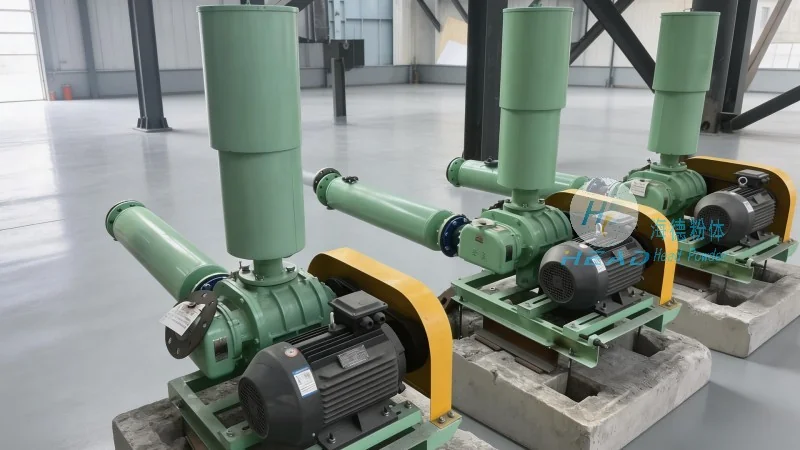
One of the primary advantages of low-pressure continuous material pneumatic conveying systems is their ability to handle a wide range of material types and sizes. The system's design allows for the transport of both dry and slightly moist materials, making it versatile for various industrial needs. Another key benefit is the reduced maintenance requirements compared to high-pressure systems, as the lower air pressure minimizes wear on components like valves, pipes, and filters. The continuous operation mode also contributes to higher productivity, as it eliminates the need for intermittent loading and unloading, which can cause bottlenecks in production lines. Additionally, the system's compact design and flexible layout enable easy integration into existing industrial facilities, reducing installation time and costs.
Conclusion and Future Outlook
Low-pressure continuous material pneumatic conveying systems, as exemplified by the solutions offered by HeadPowder, represent a reliable and efficient method for material handling in modern industrial operations. By understanding the core principles and working scene characteristics, industries can leverage these systems to enhance productivity, maintain material quality, and reduce operational costs. As technology continues to advance, these systems are likely to evolve with improved energy efficiency and automation capabilities, further solidifying their role in the future of material handling solutions.




