Ammonium chloride, a widely used chemical compound in industrial applications, often requires efficient and reliable material handling solutions for its transportation. The pneumatic conveying system emerges as a critical technology in this context, offering a versatile approach to move ammonium chloride from one location to another within industrial facilities. This article delves into the fundamental principles of such systems and highlights the key characteristics of their operational environments.
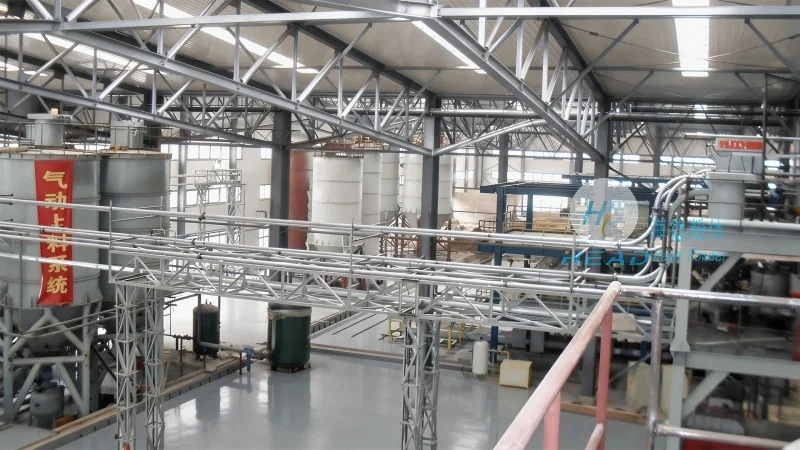
Overview of Ammonium Chloride Pneumatic Conveying Systems
Pneumatic conveying systems utilize air or other gases to transport bulk materials like ammonium chloride through a network of pipes. These systems are designed to handle the specific properties of ammonium chloride, including its particle size, density, and flow characteristics. The core components of a typical pneumatic conveying system include a feeding device, a conveying line, a control valve, and a discharge unit. The system operates by creating a pressure differential, either through suction or pressure, to move the material along the pipeline.
Principle of Operation
The fundamental principle of pneumatic conveying for ammonium chloride involves the use of air to generate a flow that carries the material particles. In a suction system, a vacuum is created at the discharge end, drawing the material and air mixture into the pipeline. Conversely, in a pressure system, compressed air is introduced at the feeding end, pushing the material forward. The velocity of the air and the design of the pipeline are crucial factors that determine the efficiency and effectiveness of the conveying process. Proper air velocity ensures that the ammonium chloride particles are fully entrained and transported without causing blockages or degradation of the material.
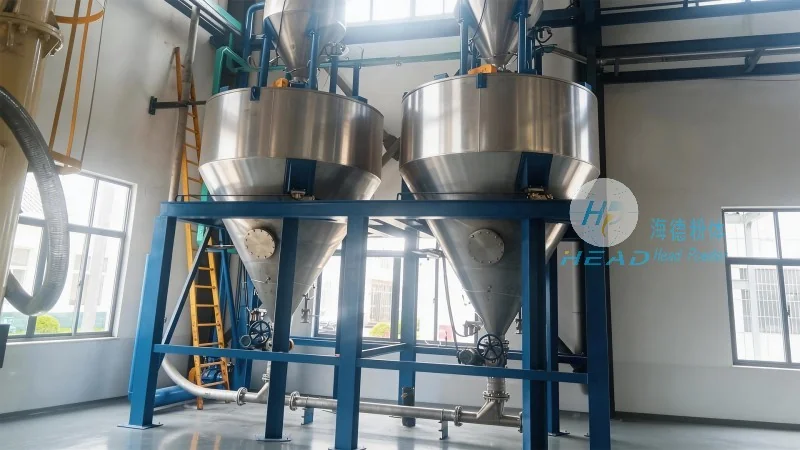
Working Scene Characteristics
The operational environment of ammonium chloride pneumatic conveying systems varies based on the specific industrial application. These systems are commonly employed in settings such as fertilizer production, chemical processing plants, and food processing facilities where ammonium chloride is a key ingredient. The working scene characteristics include factors like the scale of operation, the distance to be covered, and the required throughput. For instance, in large-scale fertilizer plants, the system may need to transport large volumes of ammonium chloride over considerable distances, necessitating robust and high-capacity equipment. In contrast, smaller-scale applications might involve shorter conveying distances and lower material flow rates.
Key Features and Advantages
Ammonium chloride pneumatic conveying systems offer several advantages that make them suitable for handling this material. One of the primary benefits is the ability to transport the material in a closed system, which helps maintain product purity and prevents contamination from external elements. This is particularly important for ammonium chloride, which can be sensitive to moisture or other environmental factors. Additionally, pneumatic conveying systems are relatively compact and can be integrated into existing industrial layouts without significant modifications. They also provide a high degree of flexibility, allowing for changes in the conveying route or capacity as operational needs evolve.
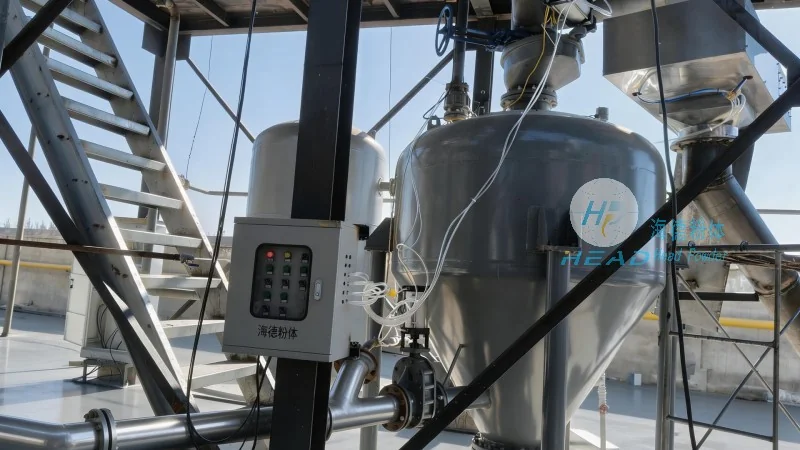
Company Introduction: Shandong HeadPowder Engineering Co., Ltd.
HeadPowder, a leading engineering company based in Shandong, China, specializes in the design, manufacturing, and installation of pneumatic conveying systems tailored to the needs of various industries. With a strong commitment to quality and innovation, HeadPowder has established itself as a trusted partner for companies dealing with ammonium chloride and other bulk materials. The company's expertise lies in customizing conveying solutions that meet the specific requirements of each client, ensuring optimal performance and reliability. HeadPowder's team of engineers and technicians works closely with clients to understand their operational challenges and develop tailored solutions that enhance efficiency and reduce operational costs.
Conclusion
In conclusion, the pneumatic conveying system represents an effective and efficient method for handling ammonium chloride in industrial settings. By understanding the principles of operation and the characteristics of the working environment, industries can select and implement the most suitable conveying system. Companies like Shandong HeadPowder Engineering Co., Ltd. play a vital role in providing these solutions, leveraging their expertise to deliver high-quality, reliable systems that meet the demands of modern industrial applications.




