Shandong HeadPowder Engineering Co., Ltd., a leading enterprise based in Shandong, China, specializes in the design, development, and implementation of advanced pneumatic conveying systems tailored for ferrous sulfate applications. This article explores the fundamental principles behind such systems and highlights the key working scene characteristics that make them effective in industrial settings.
Core Principles of Pneumatic Conveying for Ferrous Sulfate
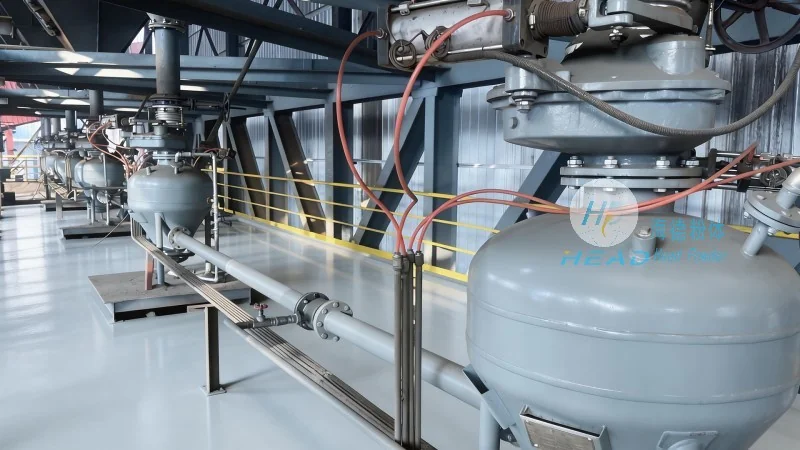
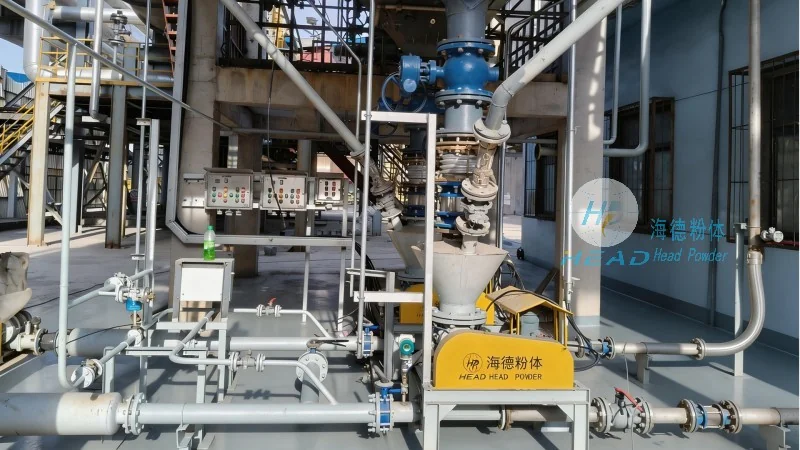
The pneumatic conveying system for ferrous sulfate operates on the principle of using air or gas as the conveying medium to transport bulk materials. Unlike traditional mechanical conveying methods, this system eliminates the need for complex machinery like conveyors, elevators, or hoppers, thereby reducing maintenance costs and operational complexity. The system typically consists of a feeding hopper, a conveying line, a separator, and a discharge unit. The feed material is introduced into the hopper, where it is then drawn into the conveying line by the moving air stream. The air velocity and pressure are carefully controlled to ensure the material is transported efficiently without degradation or clogging. The separator then separates the conveyed material from the air, allowing the material to be discharged at the desired location. This process is highly efficient, as it can handle large volumes of ferrous sulfate while maintaining a consistent flow rate and minimizing material loss.
Key Working Scene Characteristics
The effectiveness of a ferrous sulfate pneumatic conveying system is heavily influenced by several working scene characteristics. First, the system's performance is directly related to the particle size and moisture content of the ferrous sulfate. Finer particles may require higher air velocities to prevent clogging, while higher moisture content can affect the material's flowability and increase the risk of blockages. Second, the system's design must consider the distance and elevation changes between the feed and discharge points. For longer distances or significant vertical lifts, the system may incorporate booster fans or additional air pressure to maintain the material's suspension. Third, the system's integration with other industrial processes is crucial. In many applications, the ferrous sulfate is used as a coagulant or flocculant in water treatment plants, wastewater treatment facilities, or industrial effluent management systems. The conveying system must therefore be compatible with the downstream processes, ensuring that the material is delivered in a controlled manner without affecting the overall treatment efficiency. Fourth, the system's reliability and durability are critical, especially in harsh industrial environments where ferrous sulfate may be corrosive or abrasive. The materials used in the system's construction, such as stainless steel or corrosion-resistant alloys, must be able to withstand the chemical and physical stresses of the ferrous sulfate, ensuring long-term operation with minimal downtime.
Application Scenarios and Industry Benefits
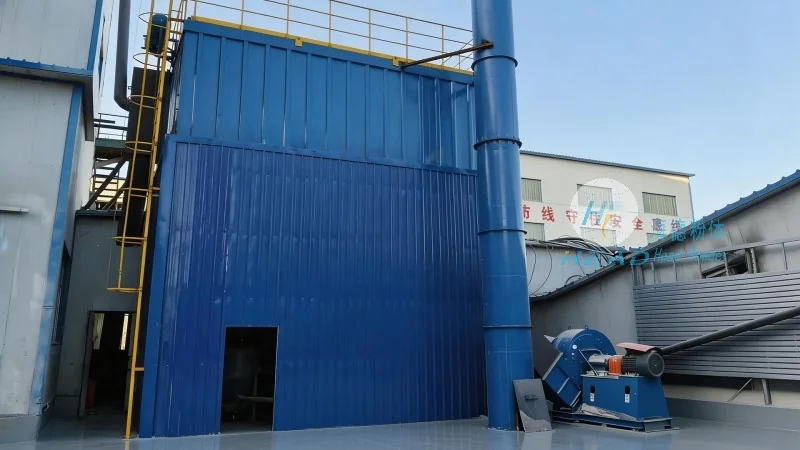
Ferrous sulfate pneumatic conveying systems are widely used in various industrial sectors, including water treatment, chemical manufacturing, and environmental remediation. In water treatment plants, the system efficiently transports ferrous sulfate to the treatment tanks, where it is used to remove dissolved oxygen and heavy metals from the water. The system's ability to handle large volumes of material at a consistent rate ensures that the treatment process operates smoothly, meeting regulatory standards for water quality. In chemical manufacturing, the system is used to transport ferrous sulfate as a raw material for the production of other chemicals, such as ferric chloride or iron oxide. The system's flexibility allows it to be integrated into existing production lines, reducing the need for additional storage or handling equipment. In environmental remediation, the system is used to transport ferrous sulfate to sites where it is used for soil and groundwater remediation. The system's ability to deliver the material to remote or difficult-to-access locations makes it an ideal solution for environmental cleanup projects. Overall, the ferrous sulfate pneumatic conveying system offers significant benefits to industries, including increased efficiency, reduced labor costs, and improved safety. By eliminating the need for manual handling and reducing the risk of material exposure, the system enhances workplace safety and compliance with environmental regulations.
Conclusion and Company Expertise
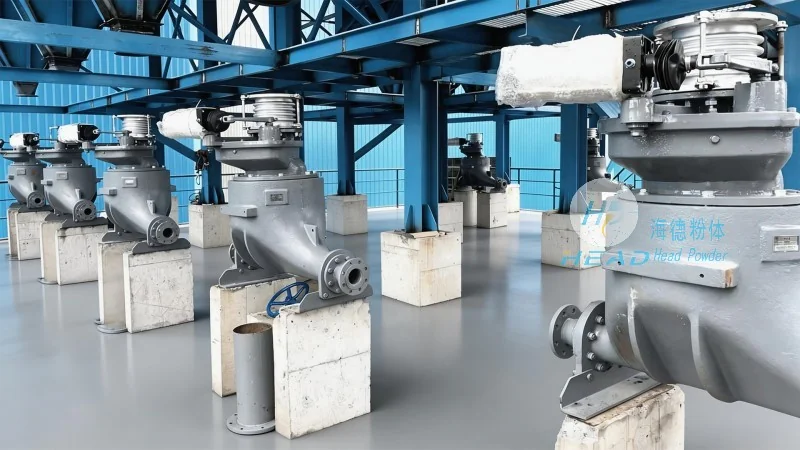
Shandong HeadPowder Engineering Co., Ltd. has extensive experience in designing and implementing ferrous sulfate pneumatic conveying systems tailored to the specific needs of various industries. The company's expertise in material handling and process engineering ensures that the systems are optimized for performance, reliability, and cost-effectiveness. By leveraging advanced technology and careful system design, HeadPowder provides solutions that meet the demanding requirements of modern industrial applications. Whether for water treatment, chemical manufacturing, or environmental remediation, the ferrous sulfate pneumatic conveying system is a reliable and efficient solution for transporting bulk materials. With its commitment to quality and customer satisfaction, Shandong HeadPowder Engineering Co., Ltd. remains a trusted partner for businesses seeking to improve their material handling processes.




