HeadPowder, a leading engineering company based in Shandong, China, specializes in the design, manufacturing, and installation of advanced cotton pneumatic conveying systems. These systems are engineered to efficiently handle cotton and related materials, ensuring optimal performance in agricultural and textile processing applications.
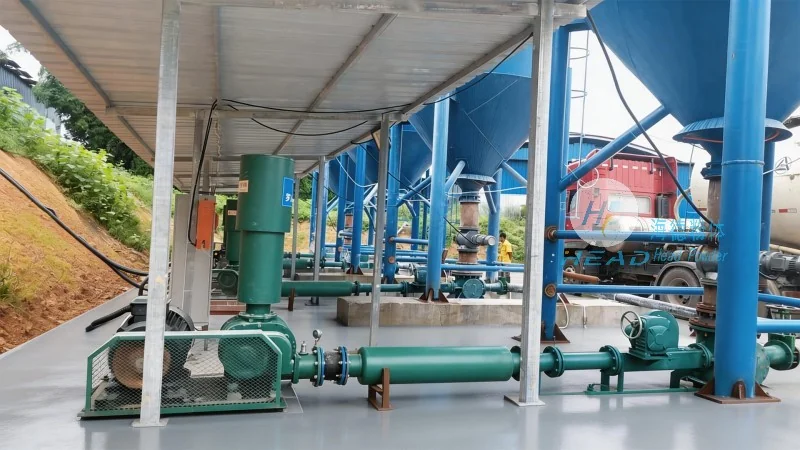
Overview of Cotton Pneumatic Conveying Systems
Cotton pneumatic conveying systems utilize air as the primary medium to transport loose, lightweight materials like cotton through a network of pipes and ducts. This technology offers significant advantages over traditional mechanical conveying methods, including reduced labor costs, minimized material damage, and enhanced safety in handling potentially dusty or allergenic materials. The systems are designed to meet the specific requirements of cotton processing facilities, from raw cotton reception to bale formation or further processing stages.
Key Components of the System
The core components of a cotton pneumatic conveying system include the air compressor, material feeders, conveying pipes, separation units, and control systems. The air compressor generates the necessary pressure to move air and material through the system. Material feeders, such as rotary valves or screw conveyors, introduce cotton into the system at controlled rates. Conveying pipes, often made of durable materials like stainless steel or PVC, transport the mixture of air and cotton. Separation units, including cyclones or filters, separate the material from the air stream, allowing for material collection and air recycling. Control systems monitor and regulate the operation of all components, ensuring smooth and efficient performance.
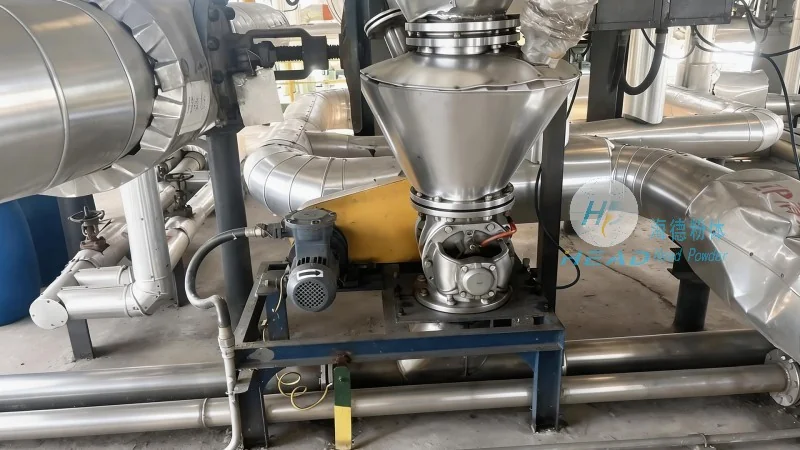
Operation Process: From Raw Cotton to Transport
The operation process of a cotton pneumatic conveying system begins with the reception of raw cotton. The cotton is typically stored in a hopper or silo, from which it is fed into the system via a material feeder. The air compressor then generates a high-pressure air stream, which is introduced into the conveying pipes. As the air flows through the pipes, it entrains the cotton particles, creating a slurry-like mixture that is propelled through the system. The mixture travels through the network of pipes, passing through any necessary processing units, such as cleaning or conditioning equipment. At the discharge end, the separation unit separates the cotton from the air, allowing the cotton to be collected in a bale or storage container. The air, now clean and free of material, is recirculated back to the compressor, completing the cycle.
Working Principle: Air-Driven Material Transport
The working principle of cotton pneumatic conveying systems is based on the fundamental physics of fluid dynamics and particle motion. When air is forced through a pipe at a sufficient velocity, it creates a pressure differential that can lift and transport particles suspended in the air stream. The key parameters, such as air velocity, pressure, and pipe diameter, are carefully calculated to ensure that the cotton particles remain entrained in the air flow without settling or clogging the system. The system operates on the principle of "air lift," where the air pressure provides the necessary force to move the material against gravity and frictional forces within the pipes. This method allows for efficient, continuous transport of cotton over long distances, with minimal energy consumption compared to mechanical systems.
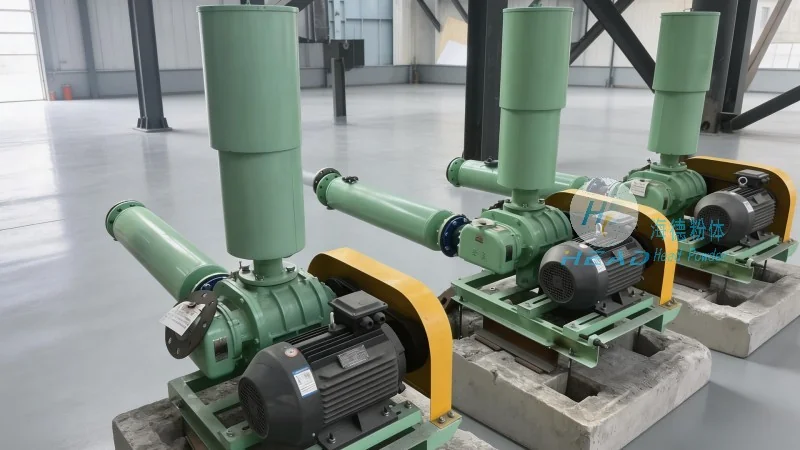
Advantages and Applications
Cotton pneumatic conveying systems offer several advantages in cotton processing, including high throughput, low maintenance requirements, and the ability to handle large volumes of material. These systems are widely used in cotton ginning plants, where they transport raw cotton from reception to bale formation, as well as in textile mills for transporting processed cotton for further spinning or weaving. The systems are also suitable for applications involving the transport of other lightweight, dusty materials, such as grains or powders, making them versatile solutions for various industrial processes.
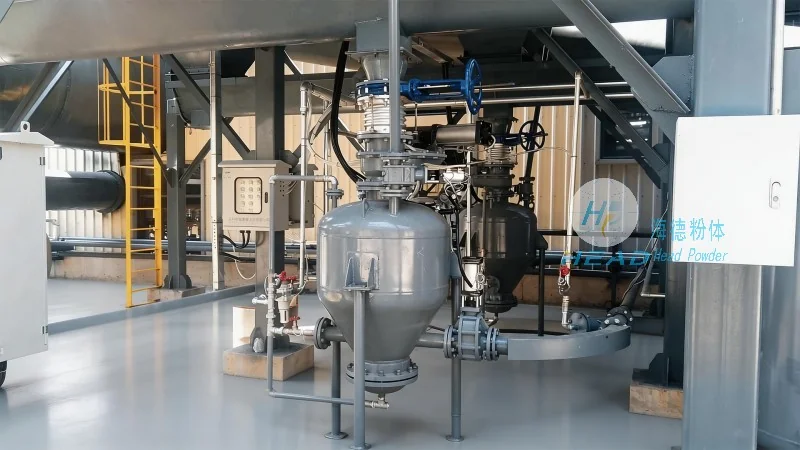
Maintenance and Operational Considerations
Proper maintenance is crucial to ensure the long-term efficiency and reliability of cotton pneumatic conveying systems. Regular cleaning of separation units and filters is essential to prevent clogging and maintain air quality. The air compressor and material feeders should be inspected regularly for wear and tear, with components replaced as needed. Control systems should be calibrated to monitor pressure, flow rates, and material levels, allowing for immediate adjustments if any issues arise. Proper training of operators on the system's operation and safety protocols is also important to prevent accidents and ensure optimal performance.
HeadPowder's expertise in designing and implementing cotton pneumatic conveying systems ensures that clients receive customized solutions tailored to their specific operational needs. By leveraging advanced engineering and materials, these systems provide reliable, efficient, and cost-effective transport solutions for cotton processing facilities, supporting the entire workflow from raw material handling to final product delivery.




